Pharmacy Cosmetics vs. Olive Young: Know the Difference or Waste Your Money (How to Pick Recovery & Trouble Creams)
By URITRIP
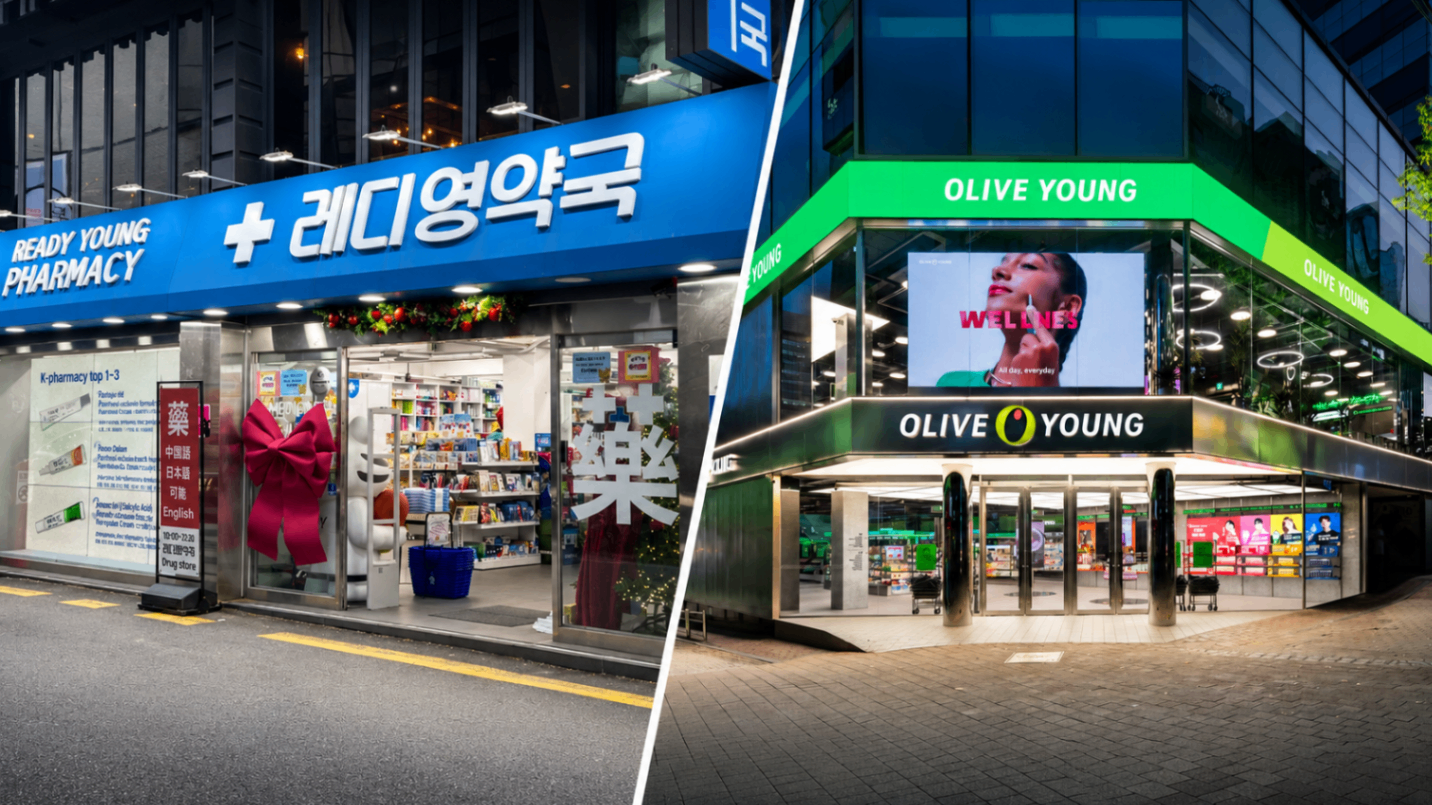
Hello. These days, more and more people reach for "pharmacy cosmetics" first the moment a skin concern appears. As word spreads that they can deliver results closer to actual "treatment" rather than simple moisturizing, more people than ever are heading to the pharmacy.
But if you've ever thought, "Aren't a pharmacy recovery cream and a regular cosmetic pretty much the same thing?", read this to the end. Not knowing the difference can mean wasting money on products that don't work. Today, I'll break down exactly how pharmacy cosmetics differ from regular cosmetics, by ingredients, effect, and purpose.
The 3 Key Differences Between Pharmacy Cosmetics and Olive Young
The biggest difference isn't the brand name, but the product's "legal classification" and the "purpose of its ingredients." Just remember these three points.
1. Ingredient Concentration and Strength of Effect
Among products sold at pharmacies, those classified as "over-the-counter drugs" or "quasi-drugs" are meant to physically change or treat the skin's structure. Cosmetics sold at Olive Young (including derma cosmetics), on the other hand, are held to strict guidelines on ingredient concentration so that anyone can use them safely without side effects.
2. The Possibility of Side Effects
Because pharmacy products (ointments, OTC drugs) are powerful, they can come with side effects such as purging, peeling, or stinging, so a pharmacist's guidance is needed. Olive Young products, by contrast, focus on the "safety" and "feel (spreadability)" that let you use them every day without breaking out.
3. How Deeply the Active Ingredients Penetrate
Pharmacy cosmetics and medicines often use bases (formulations) designed to carry active ingredients deeper past the skin barrier. That's why you can expect a faster response on problem skin with a clear purpose.
These Skin Types Should Head to the Pharmacy
If your skin has gone beyond simple dryness into "problem" territory, pharmacy products are the shortcut that protects your wallet faster than Olive Young.
- Right after a dermatology laser procedure: If your skin has been deliberately wounded by a laser, a pharmacy's quasi-drug recovery cream (e.g., Stimoline, Rejuderm) or scar-care ointment restores the barrier far more effectively than a regular cosmetic.
- When purulent acne has taken over: Rather than layering on acne-prone cosmetics, buying an ointment with active acne ingredients from the pharmacy, such as Cuacne or Acnon cream, is more intuitively cost-effective.
- Contact dermatitis or a compromised skin barrier: When the barrier has broken down, is weeping, or stings intensely, even Olive Young cosmetics can irritate. It's safer to consult first and then buy a product certified by Korea's MFDS, such as Zeroid MD or Atobarrier MD cream (some may even be eligible for insurance reimbursement).
These Skin Types Are Better Off at Olive Young
So are Olive Young cosmetics ineffective? Not at all. For the purposes below, Olive Young is by far the better choice.
- Everyday daily skincare: Pharmacy products are often sticky or leave a heavy white cast. For the step before makeup, everyday hydration, or maintaining brightening care, Olive Young's refined formulas are a better fit.
- Trying trending ingredients: If you want to enjoy today's popular high-function ingredients, such as retinol, niacinamide, and vitamin C, safely and pleasantly, there's real fun in comparing Olive Young's many brands (Bioderma, La Roche-Posay, AESTURA, and more).
Final Summary: A Money-Saving Shopping Guide
If it still feels complicated, just ask yourself two questions.
- Is my skin hurting, breaking out, or freshly treated? Buy an ointment or quasi-drug cream at the pharmacy.
- Is my skin normal but I want it better, with makeup that sits well? Buy daily derma-care products at Olive Young.
First, figure out whether your skin wants "treatment" or "care" right now. If you look in the mirror today and your skin barrier is flushed and red, we recommend heading to the pharmacy rather than waiting for the next Olive Young sale.
Frequently Asked Questions
Q1. Aren't "La Roche-Posay" and "Bioderma" sold at Olive Young pharmacy cosmetics?
Overseas (in France and elsewhere), they're mainly sold in pharmacies and classified as pharmacy cosmetics (derma cosmetics). But the products stocked at Korea's Olive Young are officially imported "cosmetics," adjusted to Korean cosmetics law so that general consumers can use them without side effects. They differ in ingredient concentration and purpose from the true treatment-oriented ointments at the pharmacy.
Q2. Can I mix a pharmacy scar ointment into my moisturizer?
It's a trend on social media lately, but it calls for caution. Scar ointments such as Noscarna should be applied "spot-only" to areas of pigmentation or raised scars. Spreading them like a cream over your whole face can clog pores depending on your skin type and trigger tiny bumps and breakouts.