Why Sebum Softeners and Whip Cleansers Are Reshaping the U.S. Cleansing Market
By URITRIP
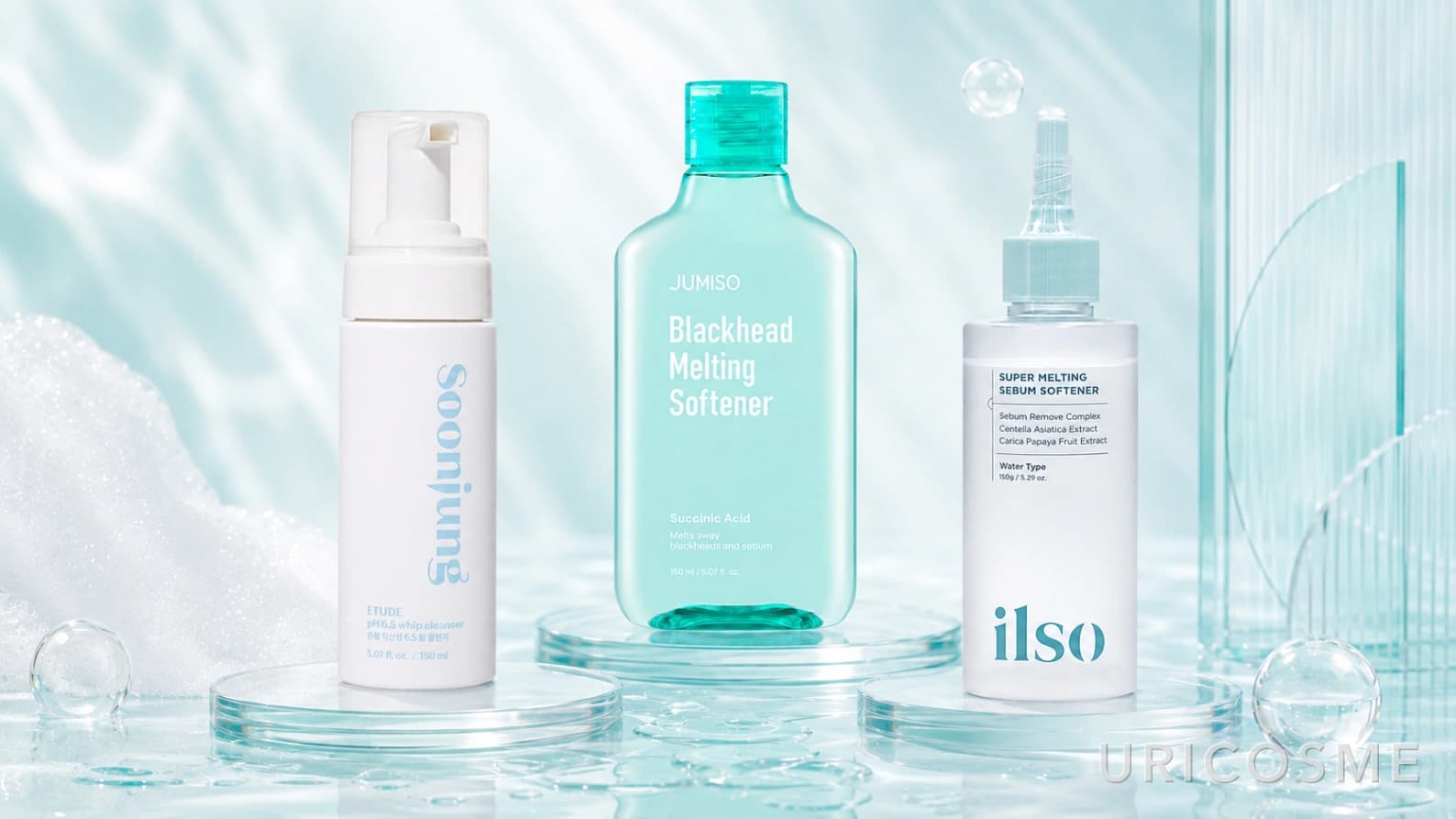
The cleanser category once looked like a mature market with little room left to grow. Oils, balms, gels and foams already covered nearly every texture, while cleansing power and “gentle” claims alone were no longer enough to make a launch feel new.
Yet two unexpected formats have recently gained momentum in the U.S. beauty market: sebum softeners and whip cleansers. Recent U.S. search data showed growth of 296% for sebum softeners and 219% for whip cleansers over the previous year.
The trend in one sentence
The cleansing conversation is moving away from maximum stripping power and toward lower-friction techniques and a more enjoyable daily experience.
U.S. cleansing trends at a glance
| Trend | One-year search growth | Core experience | Main concerns |
|---|---|---|---|
| Sebum softener | 296% | Softening buildup before removal | Nose and chin congestion, blackheads, sebaceous filaments |
| Whip cleanser | 219% | Cushiony texture and abundant foam | Friction, excess oil, visible pores and tightness |
Search growth varies by research date and keyword definition. These figures indicate changes in consumer interest, not total category sales.
What is a sebum softener?
A sebum softener is closer to a targeted pore-prep treatment than an everyday full-face cleanser. It is generally used on areas where buildup is most visible, such as the nose, chin and between the brows.
A cotton pad is saturated with the liquid and left on the area for the time directed by the brand. The formula helps loosen hardened oil and surface debris, which can then be gently swept away with a cotton swab or pad before rinsing with lukewarm water.
Unlike a pore strip or extraction tool that pulls or pushes buildup out mechanically, this format focuses on softening first. It offers a less forceful way to manage the appearance of congestion at home.
Why sebum softeners are gaining attention in the U.S.
- More consumers want an alternative to the irritation caused by peeling pore strips or forceful extraction.
- Blackheads and sebaceous filaments are highly specific concerns that people want to manage at home.
- A gradual, softening-first method feels more approachable than squeezing.
- The pad application and wipe-away process is easy to understand in short-form video.
- K-beauty products built around highly targeted pore routines are reaching more global retail channels.
A sebum softener cannot permanently shrink pores or stop sebum production. It is best understood as a maintenance product that temporarily clears surface buildup so pores may look less noticeable.
How whip cleansers change the cleansing experience
Whip cleansers emphasize a soft, airy texture reminiscent of whipped cream. Regular foam cleansers can also lather, but whip formats are designed to make texture, shape, scent or ready-made microfoam part of the experience from the moment the product is dispensed.
Some formulas can be used both as a cleanser and a wash-off mask. The larger shift is experiential: a repetitive step becomes a short self-care ritual with an immediate sensory payoff.
Why whip cleansers are trending
- Immediate texture: the cushiony feel is noticeable even during a brief cleanse.
- Visual appeal: unusual textures stand out in photos and short-form videos.
- Multifunctionality: some products combine a cleanser and wash-off mask.
- More choice: formulas can be selected around oiliness, dryness, sensitivity or pore concerns.
- Sensory self-care: texture and fragrance can make a routine step feel more intentional.
The point is not necessarily stronger cleansing. Whip cleansers differentiate how skin is cleansed. Not every product is fragranced, either: a fragrance-free, low-friction foam such as ETUDE SoonJung fits the same broader movement.
Sebum softener vs. whip cleanser
| Comparison | Sebum softener | Whip cleanser |
|---|---|---|
| Main purpose | Targeted pore preparation | Full-face cleansing or a wash-off mask |
| Where to use | Nose, chin and other congested areas | Entire face |
| Frequency | Occasionally, according to directions and skin response | Potentially daily, depending on the formula |
| Key difference | Softens before removal | Cushiony texture and abundant foam |
| Watch for | Overuse and forceful extraction | Fragrance, botanicals and exfoliating ingredients |
Three products that reflect the trend
1. ilso Super Melting Sebum Softener
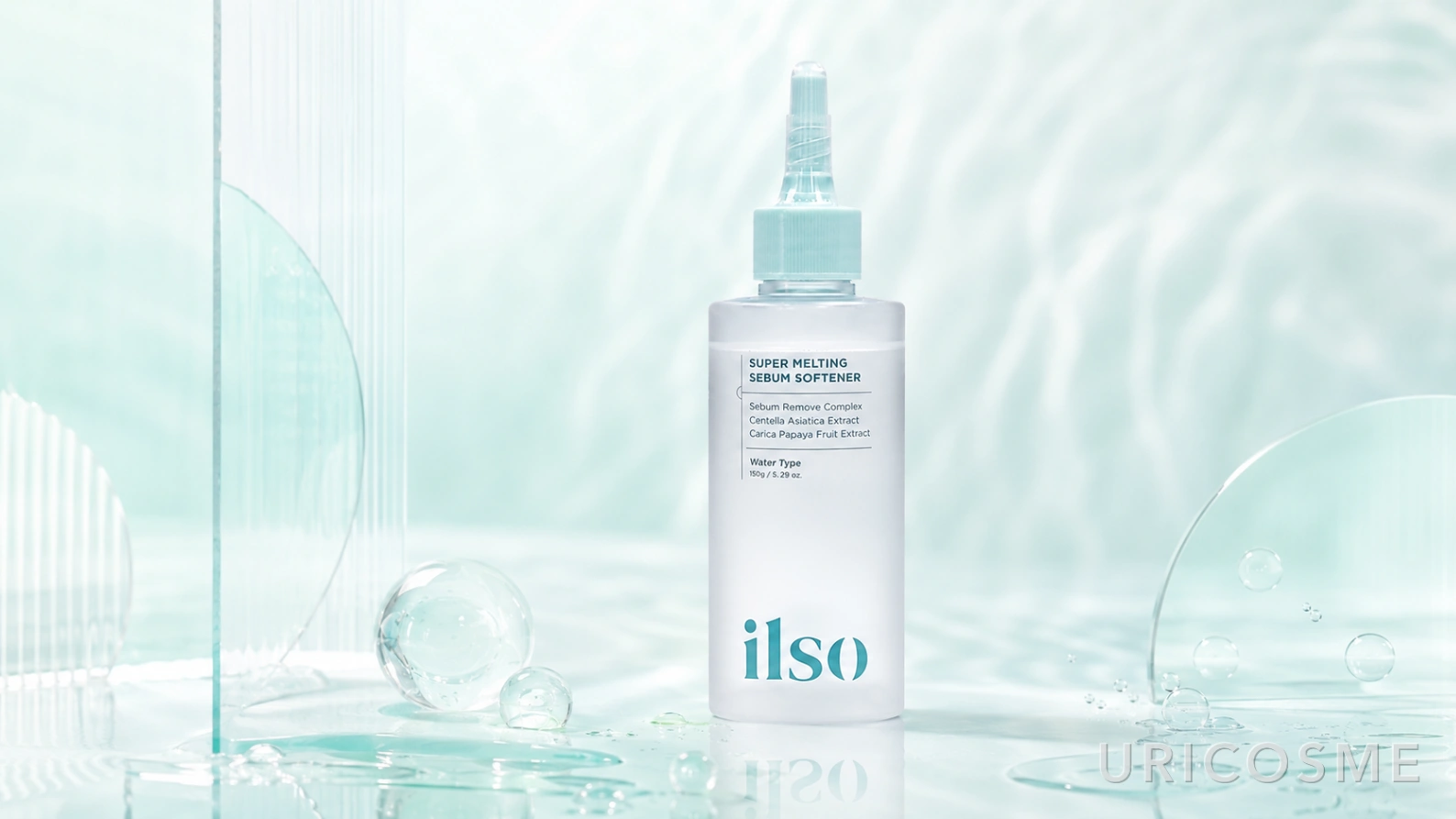
ilso Super Melting Sebum Softener is one of the K-beauty products most closely associated with this emerging category. Saturate a cotton pad, place it over the nose or chin, and allow the product to soften buildup before gently tidying the surface.
First-time users should start on a small area, follow the time printed on the product and rinse away residue thoroughly with lukewarm water.
Best for
- Visible oil buildup or sebaceous filaments around the nose and chin
- Anyone who finds pore strips or forceful extraction uncomfortable
- First-time sebum-softener users
2. JUMISO Blackhead Melting Softener
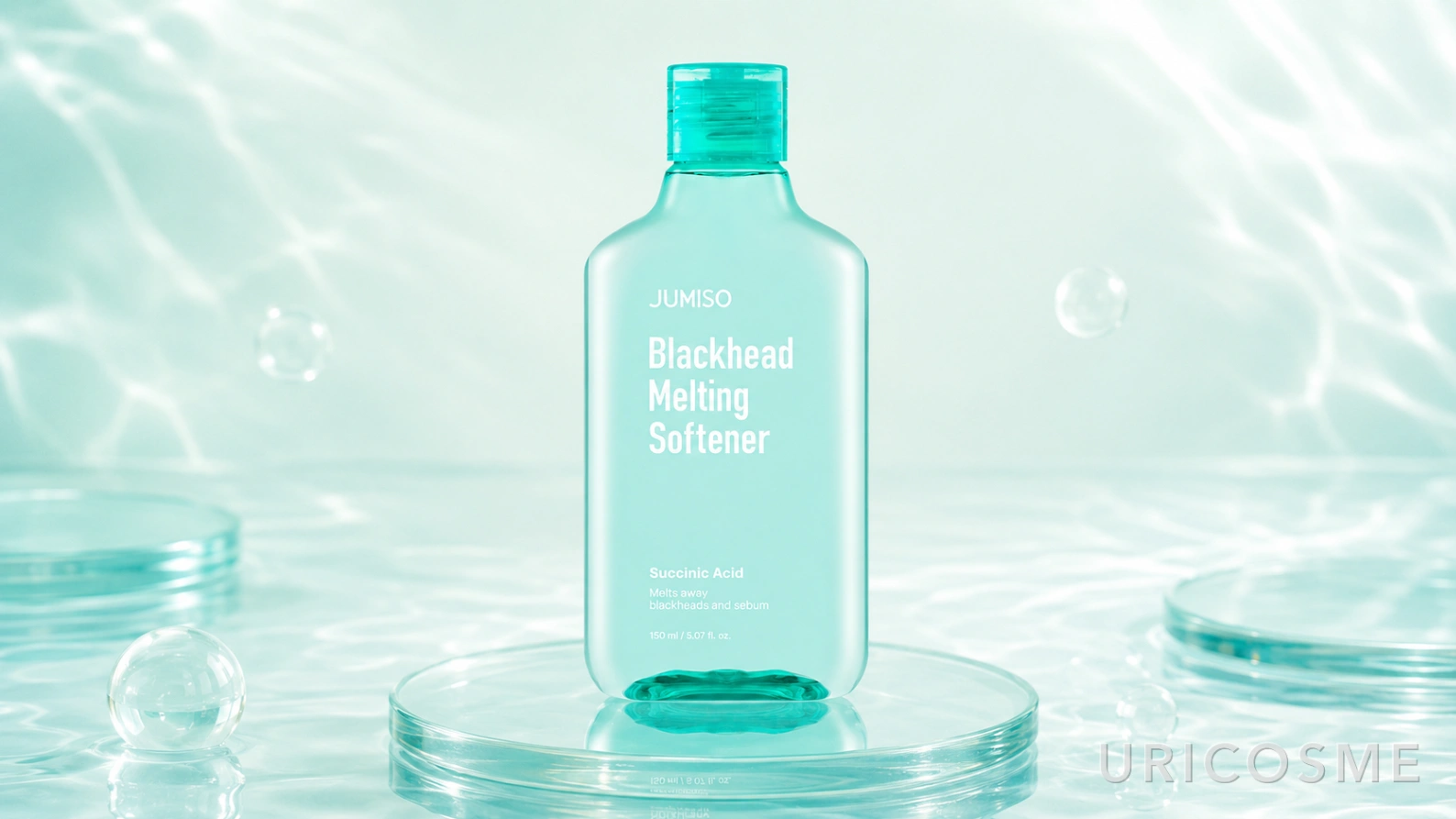
JUMISO Blackhead Melting Softener is designed to loosen pore buildup before it is gently wiped away. Its U.S. ingredient list includes gluconolactone (PHA), succinic acid, panthenol and multiple humectants.
Even when softened sebum becomes visible, avoid scraping or pressing hard. A set that includes pads and cotton swabs can make the routine easier for beginners.
Best for
- Those who want to address both buildup and rough texture
- Shoppers who prefer an all-in-one pad-and-swab kit
- Anyone trying to reduce their use of physical pore strips
3. ETUDE SoonJung pH 6.5 Whip Cleanser
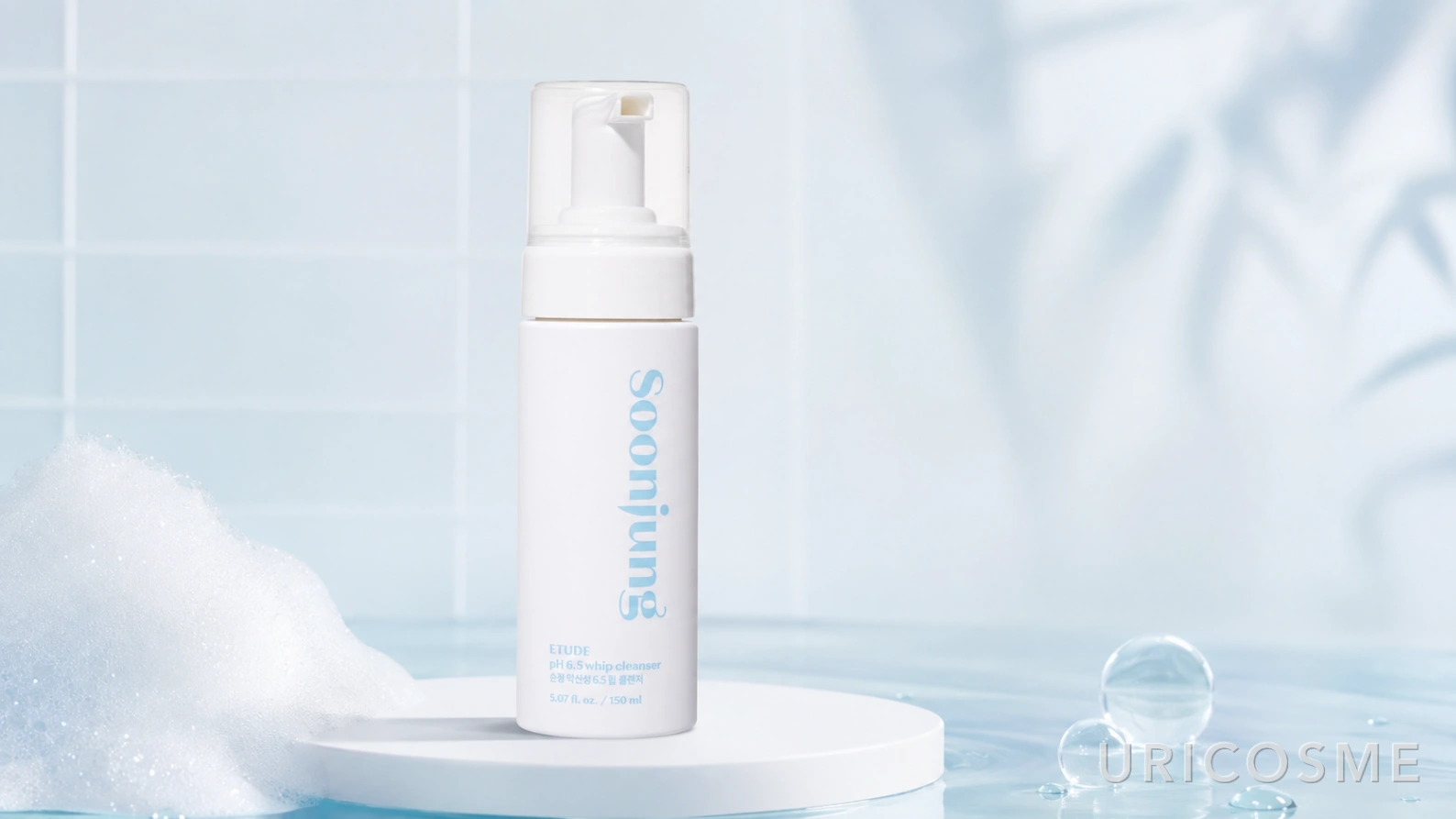
ETUDE SoonJung pH 6.5 Whip Cleanser dispenses ready-made foam from a pump. Panthenol, madecassoside, fine foam and a fragrance-free formula are among its defining features.
Apply two or three pumps to a wet face, massage lightly and rinse with lukewarm water. It is not a dense dessert-style mask cleanser, but it belongs in the whip-cleansing conversation because it minimizes the effort of lathering and prioritizes a low-friction experience.
Best for
- Skin that feels tight after cleansing
- Anyone who does not want to create lather by hand
- Shoppers seeking a gentle daily cleanser for sensitive skin
How to use a sebum softener safely
- Patch test on a small section of the nose or chin rather than using it all over the face.
- Saturate the pad and leave it on only for the brand's recommended time.
- Gently sweep the surface with a cotton swab or pad.
- Do not squeeze or scrape loosened buildup.
- Rinse well with lukewarm water and finish with moisturizer.
Stop and rinse immediately if the skin stings or becomes red. Avoid extraction tools on inflamed acne or dermatitis, and consult a dermatologist when irritation persists.
What to check before using a whip cleanser
- Review the ingredient list for fragrance, essential oils, botanical extracts and exfoliating acids.
- Follow separate directions for cleansing and wash-off-mask use.
- Never leave a mask format on longer than the brand recommends.
- Rich foam is not a reason to massage for longer; keep cleansing brief and gentle.
- Reduce frequency or contact time if tightness continues after rinsing.
Frequently asked questions
Will a sebum softener remove blackheads permanently?
No. It may help loosen accumulated oil temporarily, but it cannot permanently reduce pores or stop sebum production. Sebaceous filaments are a normal part of skin and can become visible again.
Can I use a sebum softener every day?
Recommended frequency varies by formula and skin response. Do not begin with daily use; prioritize the directions on the product and how your skin reacts.
Is a whip cleanser stronger than a regular foam cleanser?
Not necessarily. “Whip” mainly describes texture and the foam experience. Actual cleansing strength depends on the surfactant system, pH, amount used and cleansing time.
Can sensitive skin use a whip cleanser?
Yes, but not every whip cleanser is designed for sensitive skin. Check fragrance, botanicals and exfoliating ingredients, then patch test. Fragrance-free, low-friction options such as ETUDE SoonJung may be easier to consider.
The cleanser market is not finished—it is becoming more specific
The rise of sebum softeners and whip cleansers does not mean U.S. consumers simply want more powerful cleansing. Sebum softeners shift pore care from pulling out to softening first, while whip cleansers transform an ordinary wash into a tactile and visual self-care step.
The next phase of the category is likely to be more segmented: targeted care for the nose and chin, low-friction foam for sensitive skin, cleanser-mask hybrids, sensory formulas built around scent and texture, and products that account for the skin barrier and post-cleanse comfort.
Sources
- Spate, 2026 Whitespace Opportunities in Beauty
- ilso U.S. official website
- JUMISO USA product page
- Ulta Beauty, ETUDE SoonJung pH 6.5 Whip Cleanser
This article provides general information about cosmetics and market trends. Product sets, availability and directions may change. Check the latest information from the seller before purchase and use, and consult a dermatologist if you have a skin condition or persistent irritation.