Routine Guides··2views
The Retinol Cream You Gave Up On: How to Fix Nasolabial Folds Without Side Effects
By URITRIP

By URITRIP
"Did you splurge on a retinol cream to tackle the nasolabial folds deepening with age, only to shove it in a drawer after a few days when your skin turned red and shed flakes like dead skin?"
Retinol is the wrinkle-fighting powerhouse that even dermatologists endorse. It stimulates collagen production, firming up sagging nasolabial folds and fine lines around the eyes. But it has one critical drawback: because it's so potent, the "skin irritation" can be severe.
Invest just three minutes to read this to the end, and you'll master the "real way to use retinol", cherry-picking only the wrinkle-improving benefits without worrying about a breakout. Try it right away.
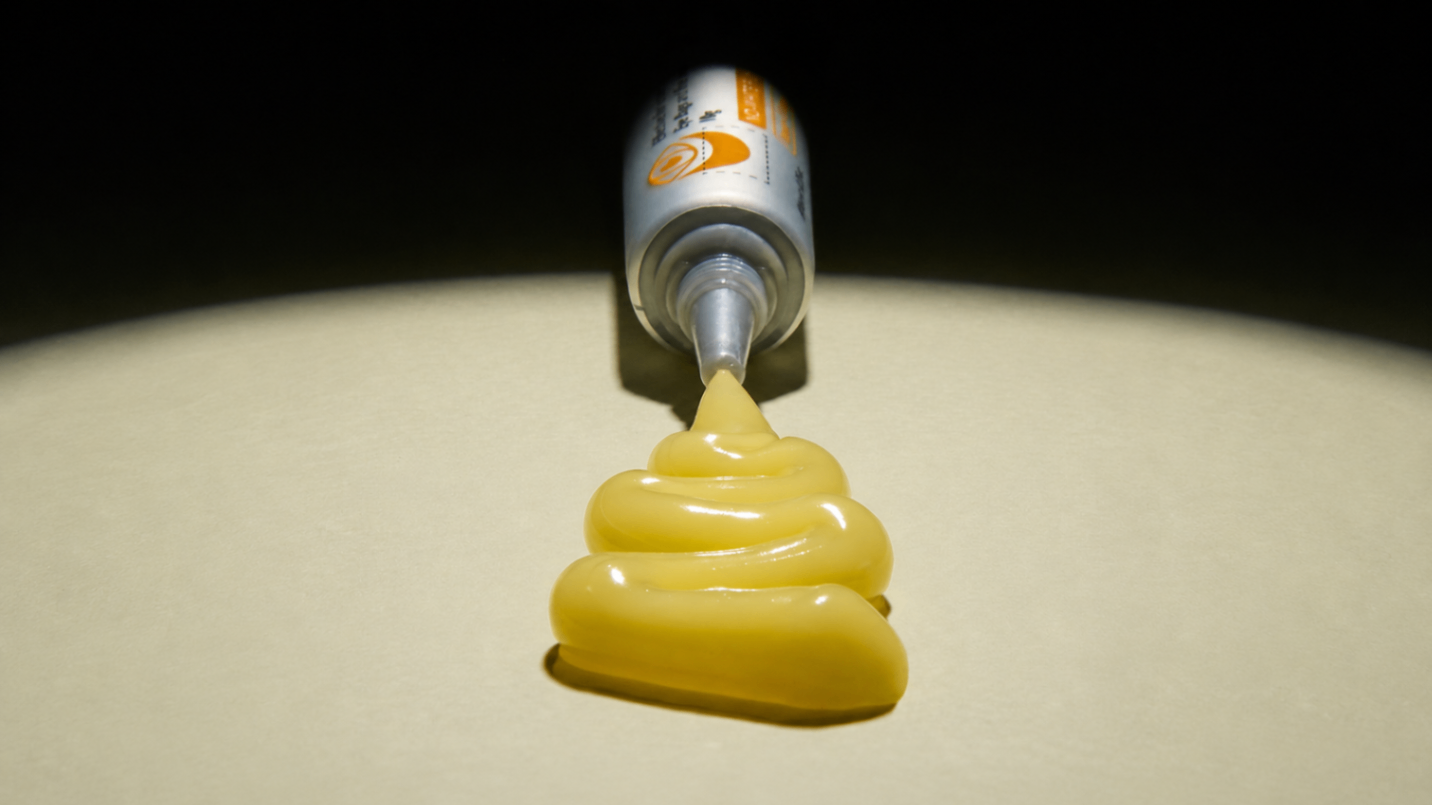
When retinol makes your skin sting, turn red, or flake white, that phenomenon is called the "retinol adjustment period."
This is not a side effect that damages your skin. It's a natural transitional phase that occurs as retinol forcibly speeds up your skin's cell renewal cycle, shedding old dead skin so new skin can emerge. That said, blindly toughing it out or using it the wrong way can completely break down your skin barrier. The key is to let your skin adapt "gradually" so it barely notices.
If you squeeze it out like a regular cream from the start, you're 100% going to break out.
It takes at least two weeks for your skin cells to adapt to retinol.
When using retinol, you also need to check the other products on your vanity.
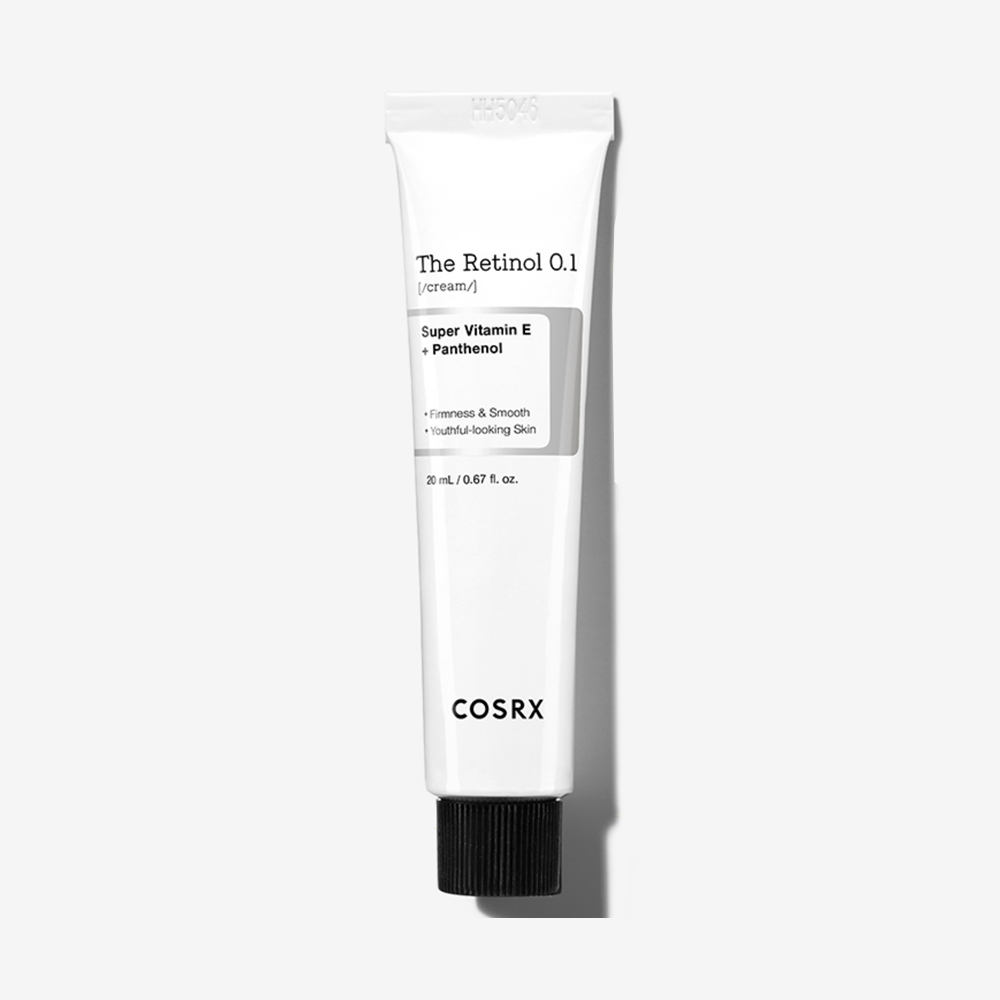
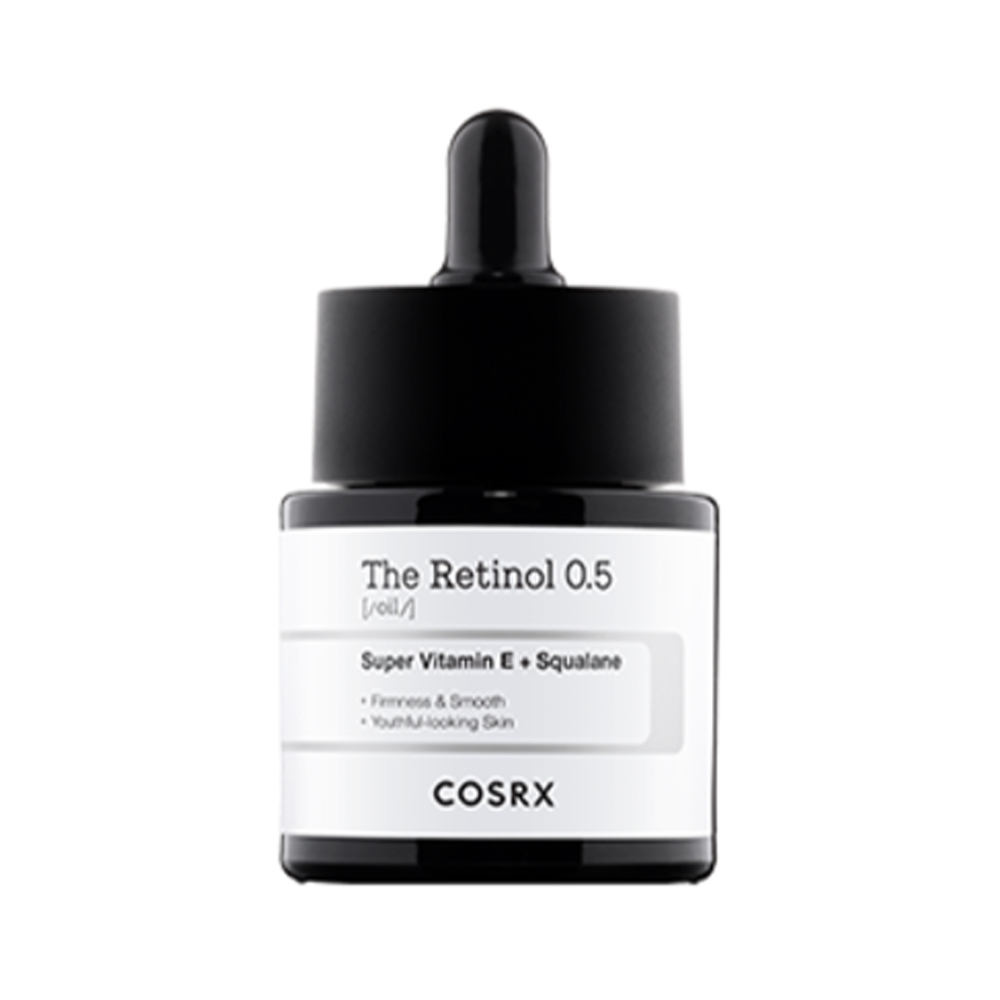
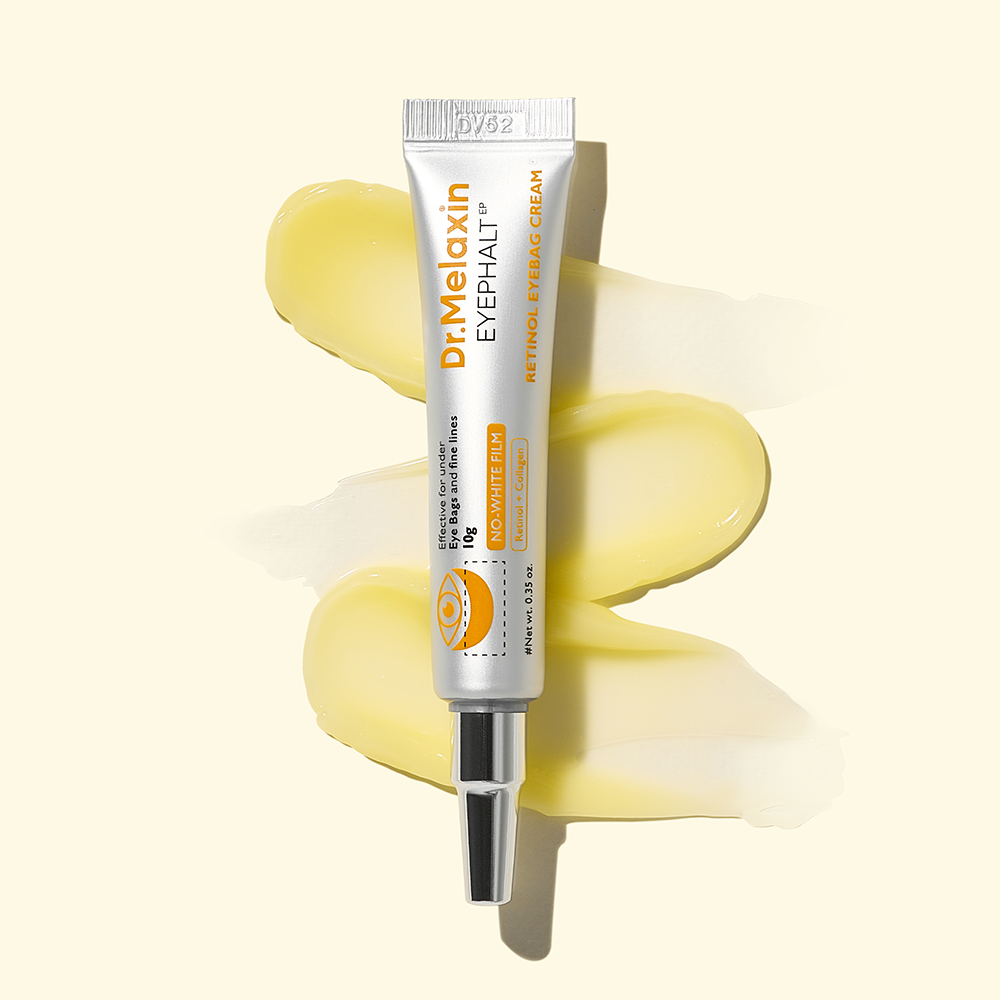
If you're buying or choosing a new retinol cream, just check these two things.

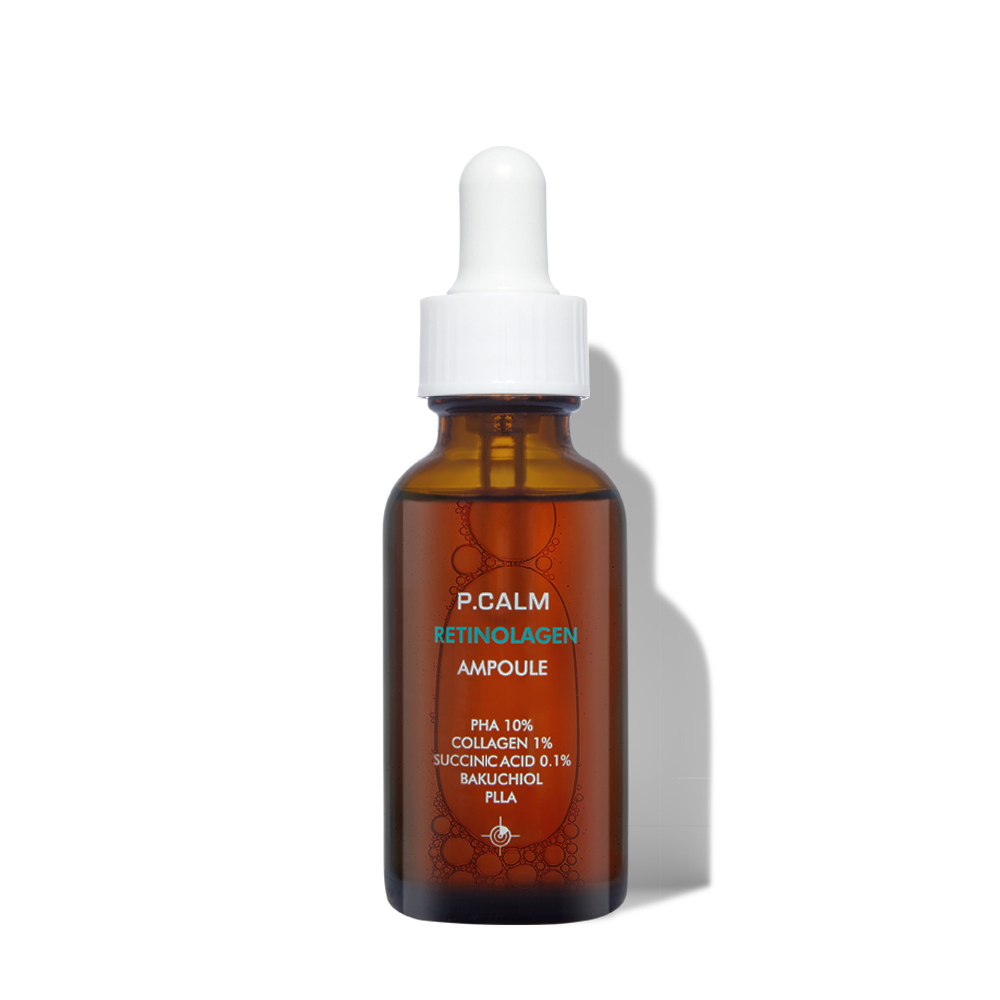
Keep an eye on "bakuchiol," one of the latest skincare trends. Often called plant-based retinol, it delivers wrinkle-improving effects similar to retinol while causing almost no irritation, and it can be used day or night, making it an excellent alternative.
You can prevent wrinkles before they deepen, and soften ones that have already formed with the right ingredient care. Start a safe retinol routine today and win back firm, resilient skin.
When exposed to light and UV, retinol breaks down and can trigger itching. We recommend using it at night whenever possible, and if you do apply it during the day, you must pair it with a strong sunscreen of SPF 50 or higher.
Absolutely not. Forcibly scrubbing away the flakes caused by retinol can create inflammation that feels like your skin barrier is tearing. When flaking occurs, stop scrubbing and apply plenty of moisturizer or recovery cream, letting the flakes shed naturally.
Given the skin's renewal cycle, if you use it consistently and correctly, you can expect to feel your skin texture becoming smoother and fine nasolabial folds and eye-area firmness improving from roughly 4 to 8 weeks onward.