Why people really wear sunscreen: survey points to anti-aging, not skin cancer
By URITRIP
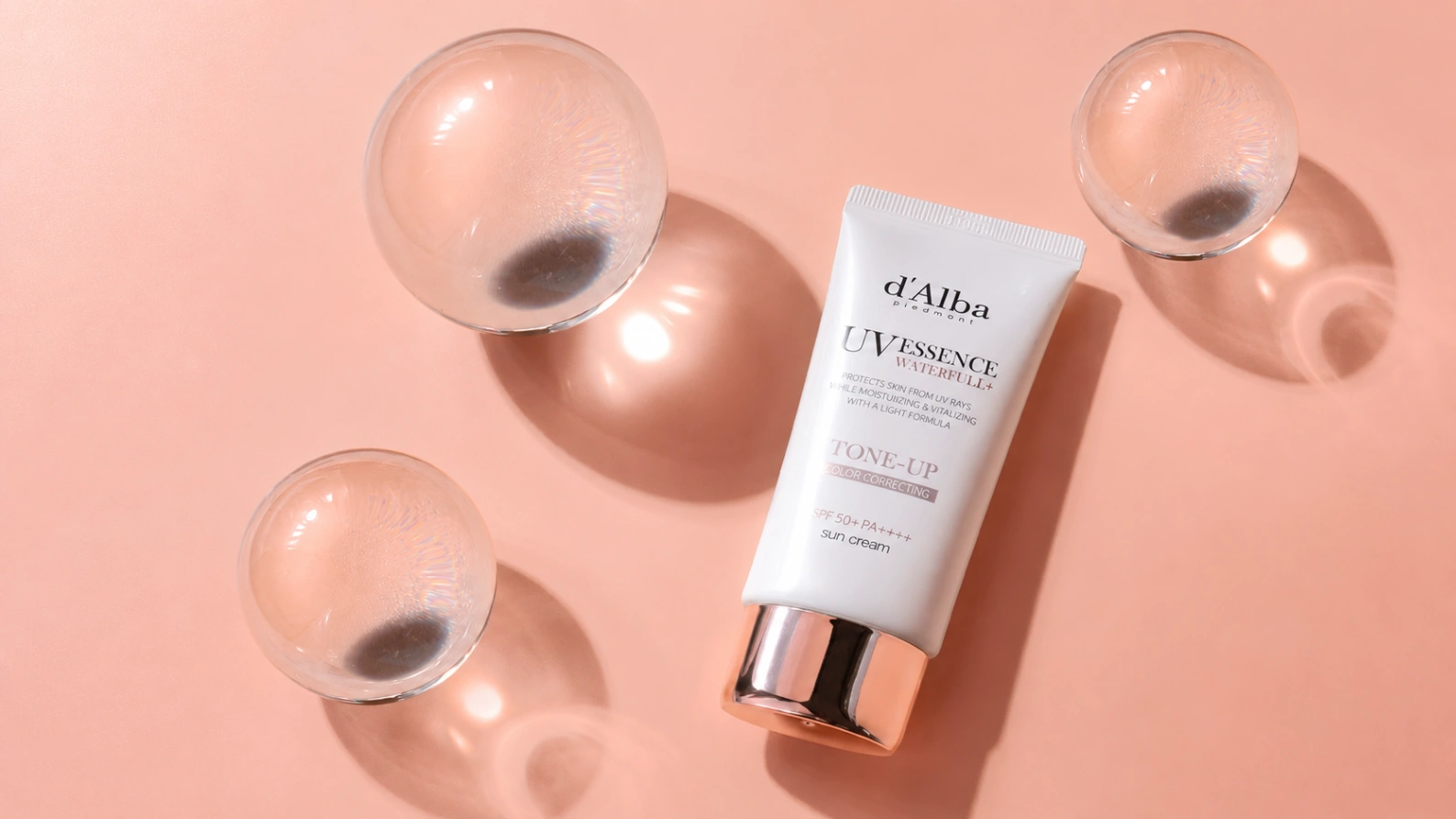
UV protection is the first function most people associate with sunscreen. Yet when surveys ask why people actually wear it, preventing skin aging turns out to carry more weight than preventing skin cancer.
This article covers the findings of a survey by the US market research firm Mintel, the concept of photoaging, what the SPF and PA labels mean, the rise of anti-aging sunscreens, and how to choose a product worth using every day.
Why wear sunscreen at all?
Sunscreen has long been seen as a summer product. In recent years, however, it has quickly come to be recognized as an essential everyday skincare step.
Dermatologists, in particular, list daily sunscreen use as the first habit to build for preventing skin aging.
What the Mintel survey found
In a survey published by the market research firm Mintel, 69% of US sunscreen users said they use sunscreen to prevent skin aging. Anti-aging is not a secondary motive; it accounts for a significant share of everyday use.
The result reflects a broader shift: sunscreen is moving from a seasonal product to a daily skincare staple.
What is photoaging?
Skin aging can be divided into natural aging, which progresses over time, and photoaging, which is driven by UV exposure.
Photoaging leads to changes such as:
- More wrinkles
- Dark spots and blemishes
- Loss of elasticity
- Rougher skin texture
- Hyperpigmentation
Research reports that a substantial share of visible skin aging is linked to UV exposure, and that consistent sun protection helps reduce these changes.
What SPF and PA actually mean
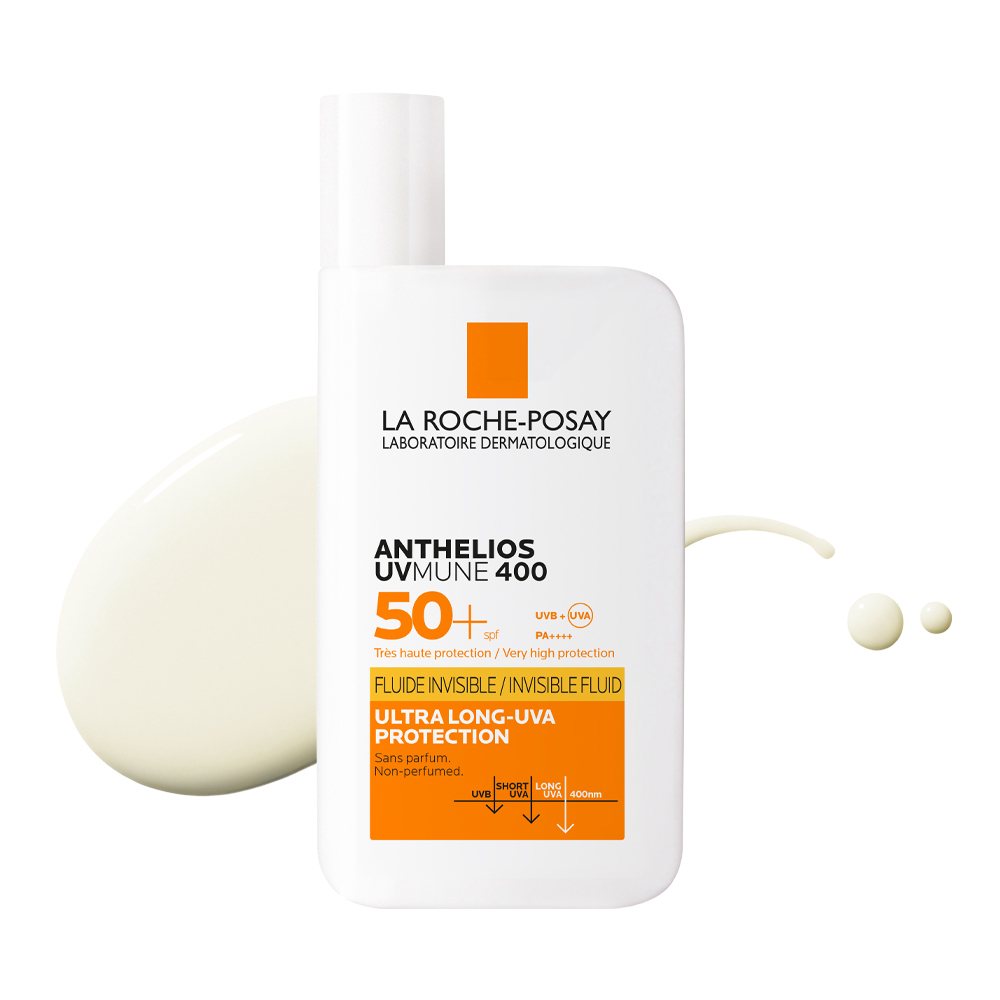
SPF and PA are the first labels to check when choosing a sunscreen.
- SPF indicates protection against UVB.
- PA indicates the level of protection against UVA.
UVA penetrates deep into the skin and contributes to photoaging and loss of elasticity, which makes UVA protection important even on ordinary indoor days.
Sunscreens with anti-aging ingredients
Many recent sunscreens combine UV protection with skincare ingredients. Common examples include:
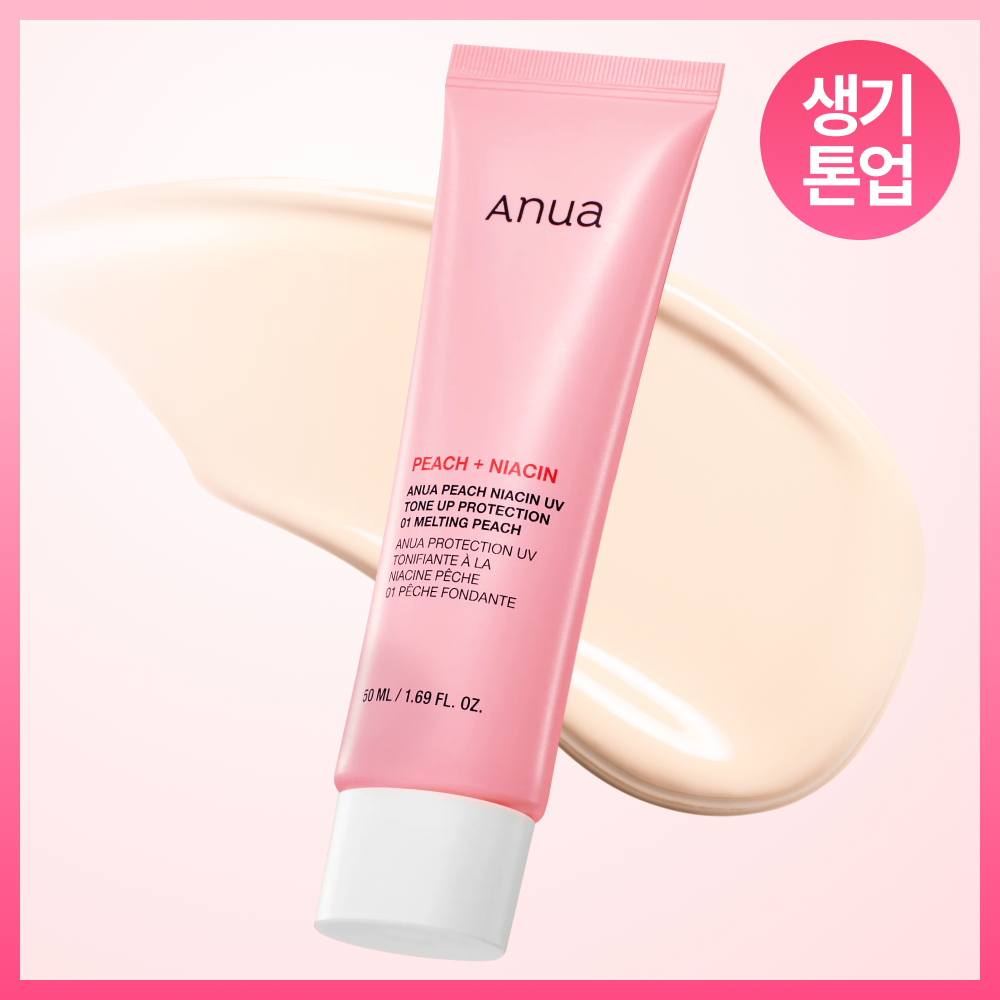
- Niacinamide: helps even out skin tone and reduce hyperpigmentation
- Adenosine: a functional anti-wrinkle ingredient
- Panthenol and ceramides: support the skin barrier and hydration
NMN, by contrast, is an actively researched longevity ingredient, but current human data is not sufficient to conclude that it restores skin cells in a regular cosmetic product. Marketing claims are worth reading with clinical data alongside them.
How to choose a good sunscreen
When selecting a sunscreen, the following points are worth checking:
- SPF 30 or higher, SPF 50+ for frequent outdoor activity
- PA+++ or higher
- Whether it leaves a white cast
- A texture that suits the skin type
- Moisturizing ingredients
- A finish comfortable enough for daily use
The best sunscreen is not the most expensive one, but the one that gets used consistently.
Conclusion
Sunscreen is no longer just a way to avoid a sunburn.
Protecting the skin from UV every day is the most fundamental way to reduce photoaging — wrinkles, dark spots, and loss of elasticity. More products now add brightening, anti-wrinkle, and moisturizing ingredients, but these remain supporting features; UV protection itself is still the function that matters most.
FAQ
Q. Is sunscreen necessary in winter?
Yes. UVA is present year-round and partially passes through windows, so sunscreen is recommended even for mostly indoor days.
Q. Is SPF 50 much better than SPF 30?
SPF 50 offers stronger protection, but applying a sufficient amount and reapplying when needed matters more for real-world effectiveness.
Q. Can sunscreen alone remove wrinkles?
No. Sunscreen prevents new photoaging; it does not treat wrinkles that have already formed.
Q. Are NMN sunscreens proven to work?
NMN is under active aging research, but its skin-cell recovery or anti-aging effects in regular cosmetics are not yet well established. Checking a product's clinical test data is a good idea.