K-Beauty Ingredient Trends: Top 5 to Watch
By URITRIP
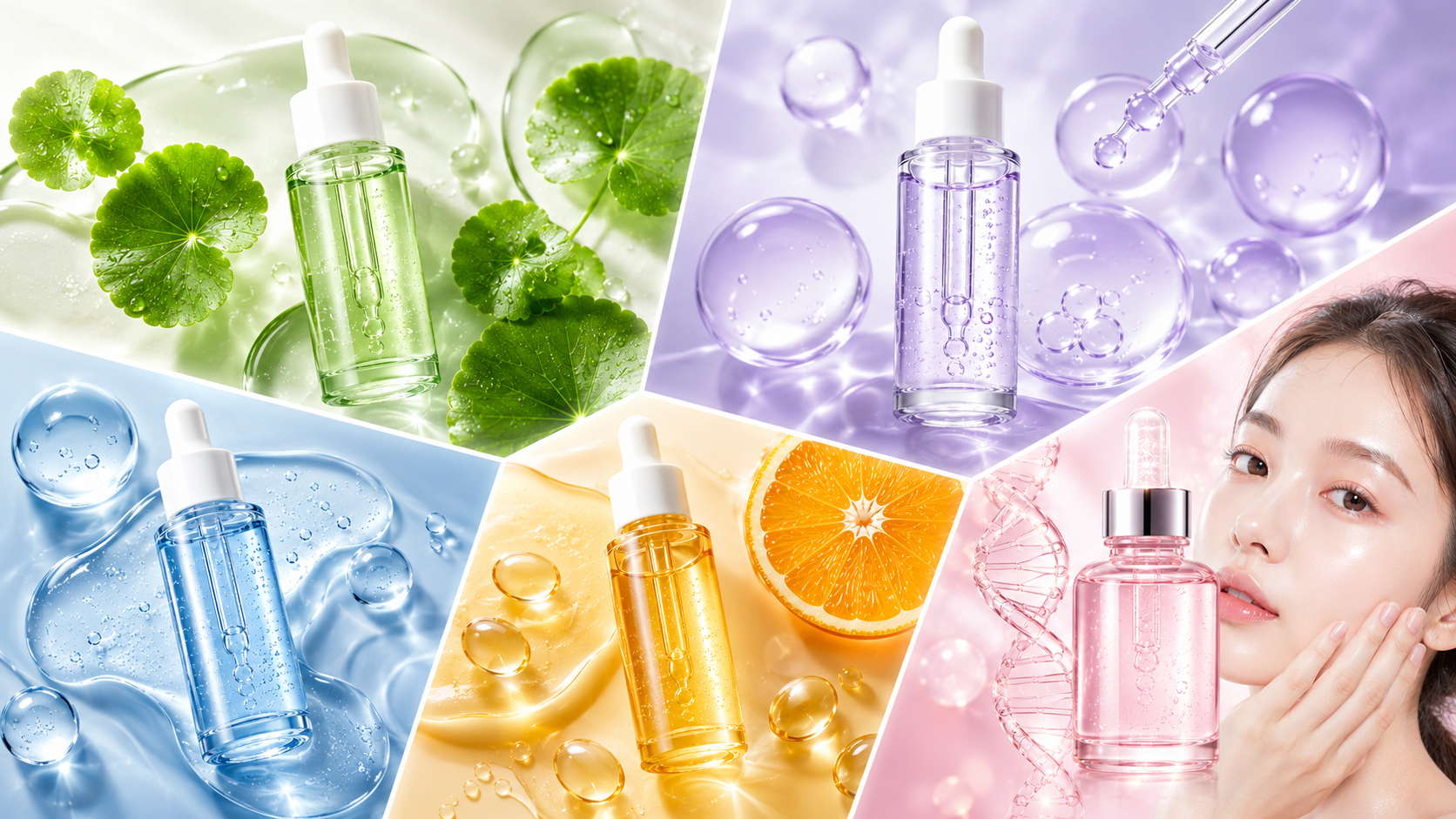
When looking at Korean cosmetics, certain words often stand out before the product name itself. PDRN, cica, niacinamide, low-molecular hyaluronic acid, retinol, and vitamin C. These are all familiar ingredient names, but recently they have become more than simple formula callouts. They now work as language that explains a product's mood and purpose.
In this article, we organize five ingredients that appear frequently in Korean skincare from a beauty editor's point of view. We will look at which skin concerns they are connected to, and what kind of image to keep in mind when choosing products.
PDRN
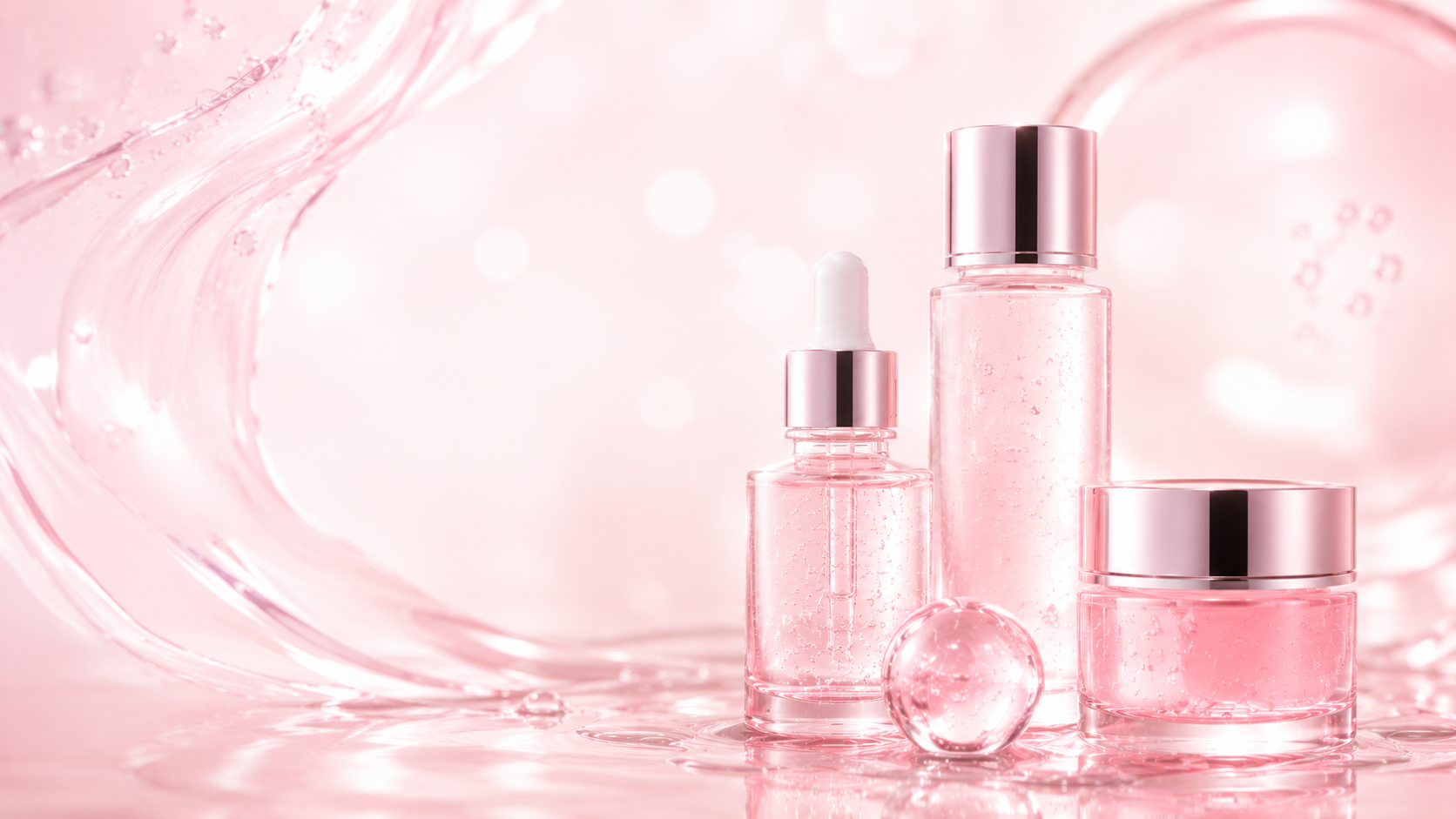
PDRN is one of the ingredients that has moved into the Korean beauty mainstream most quickly. A keyword once associated mainly with clinic treatments is now naturally appearing in home-care products such as serums, creams, and toner pads.
The key is the impression of repair. When the skin looks tired, less firm, or short on glow, PDRN makes it easy to communicate a sense of restorative care. Product descriptions often pair it with words such as repair, elasticity, and vitality.
That said, it is better not to read PDRN as a high-performance promise on its own. The full formula and texture matter just as much. A lightweight serum and a cream that leaves a moisturizing film will sit in very different places within a routine.
Cica/Centella
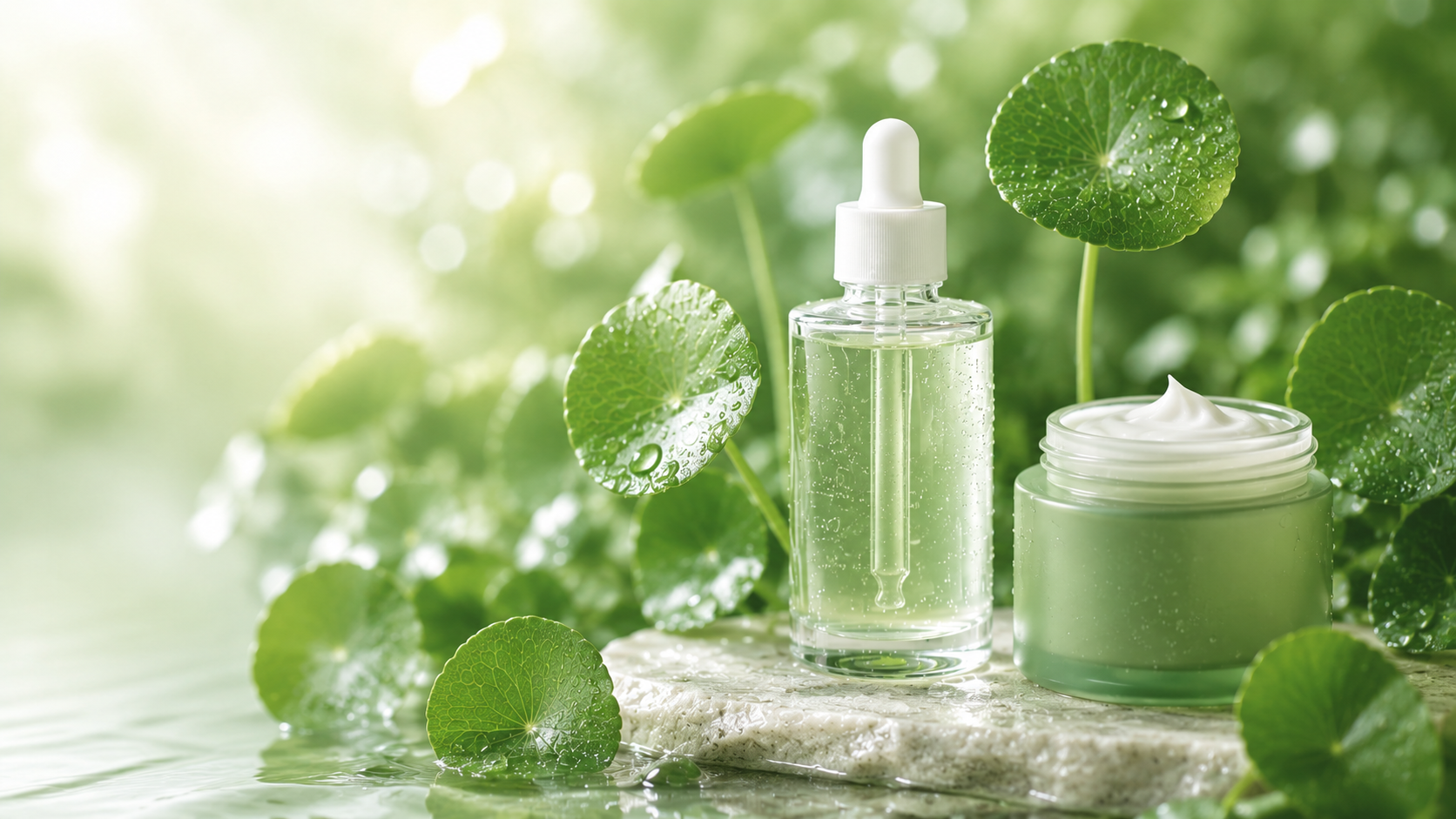
Cica and centella symbolize soothing care in Korean skincare. The ingredient names are easy to understand, and the image consumers expect from them is relatively clear. An ingredient that gently calms the skin. That one sentence explains the appeal quickly.
They are especially useful when talking about mask irritation, seasonal changes, temporary redness, or the skin's condition after sun exposure. That is why cica-based products continue to appear across toner pads, water creams, barrier creams, and post-suncare routines.
If a product is aimed at sensitive skin, it is worth looking beyond cica alone. Ingredients such as panthenol, madecassoside, and ceramides often help connect the soothing image to the actual feel of the product. In the end, that part is decided by the whole formula.
Niacinamide
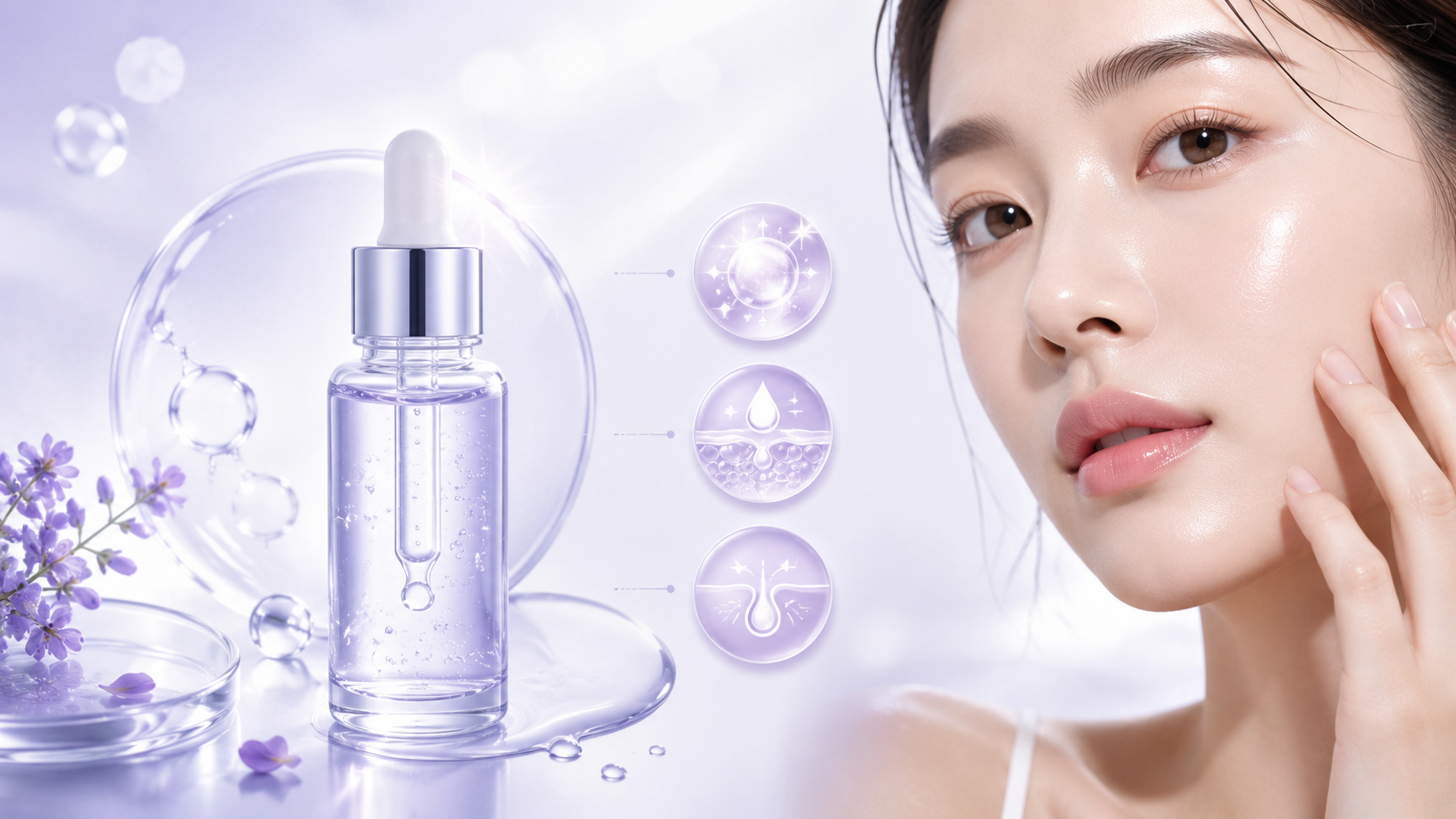
Niacinamide is one of the most versatile ingredients in Korean cosmetics. It can support several messages at once: clarity, tone care, sebum balance, and the appearance of pores.
It appears often when brands talk about skin that looks clearer and more even. Rather than pushing a strong whitening image, many products describe it in terms of reducing the look of dullness and making the skin texture appear more uniform. It also connects naturally with recent tone-up, glow, and texture-care products.
When looking at a niacinamide product, it is more practical to consider how it fits into your routine than to focus only on the percentage. The experience will differ depending on whether it is in an everyday cream or a targeted serum.
Low-Molecular Hyaluronic Acid
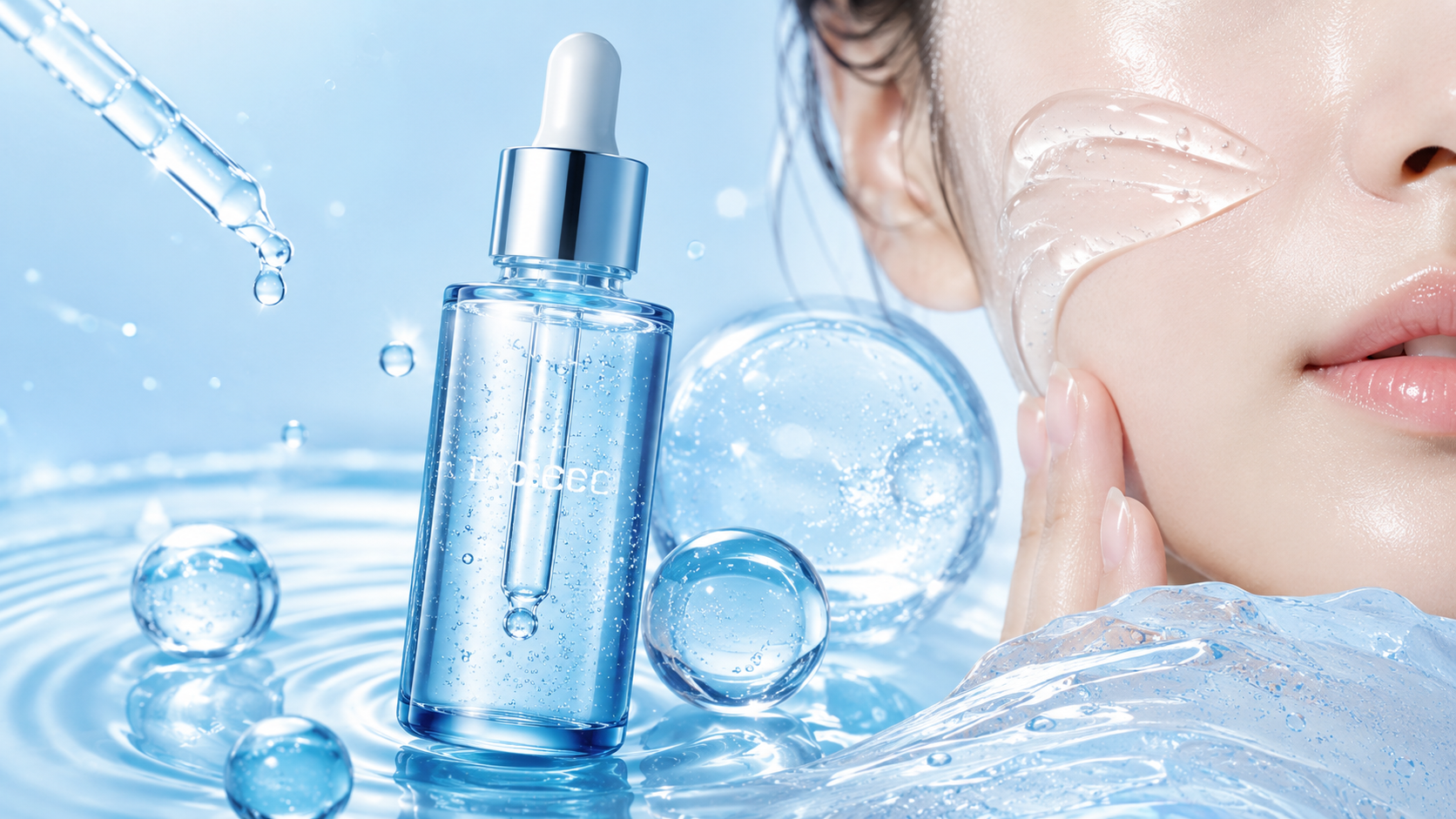
Hyaluronic acid is already a basic ingredient for hydration care. Recently, however, Korean products often go beyond the general term and use more specific expressions such as low-molecular, high-molecular, or multi-hyaluronic acid.
Among them, low-molecular hyaluronic acid is especially good at creating the image of hydration that feels light but reaches deeper. It is an easy keyword to explain to users who dislike stickiness, do not want too many routine steps, or prefer a fresh moisturizing feel.
For hydration products, texture matters as much as the ingredient name. Even with the same hyaluronic acid, the impression on the skin changes completely depending on whether it is a watery ampoule, a gel cream, or a richer cream that leaves a moisturizing layer.
Retinol/Vitamin C
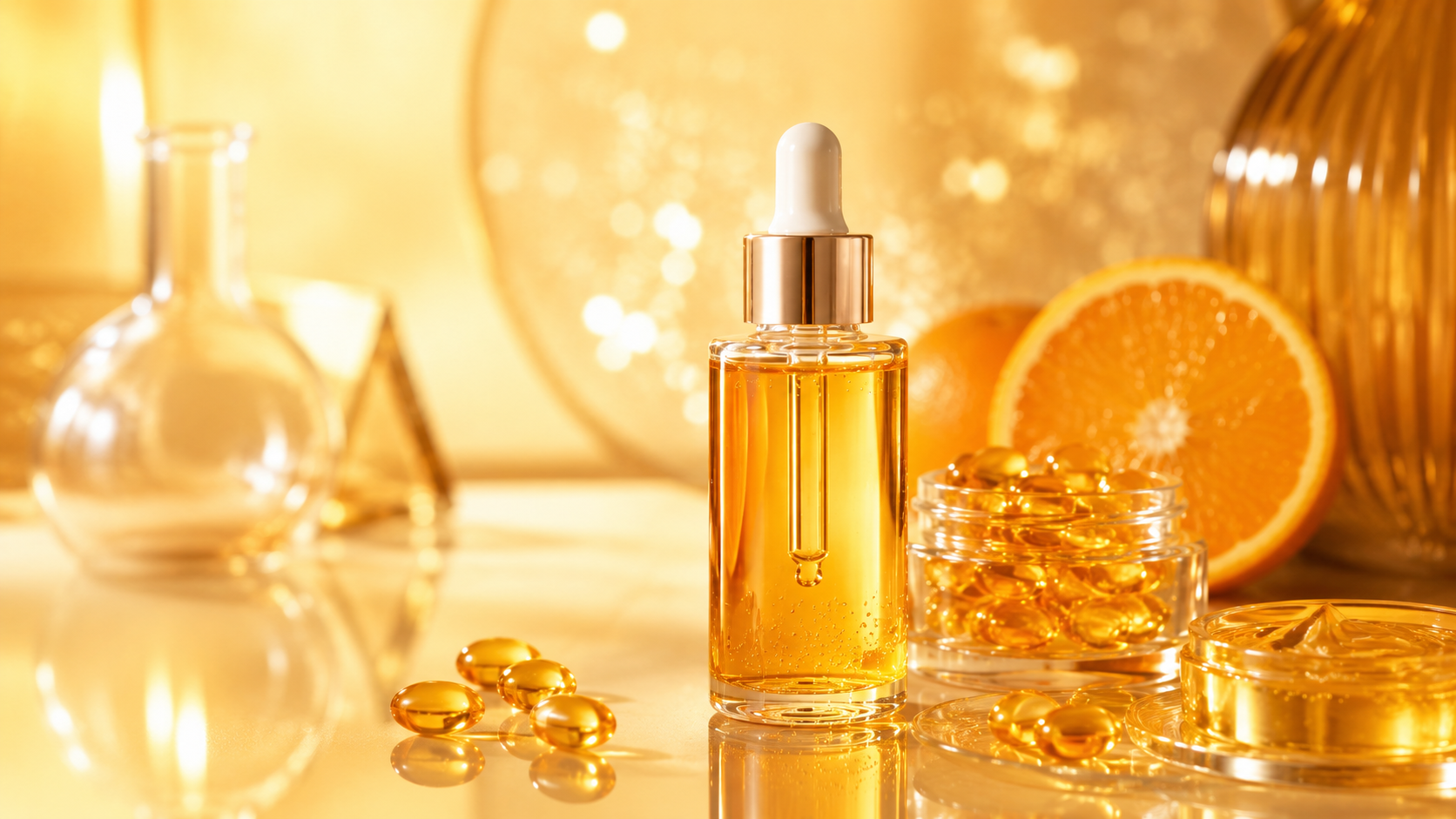
Retinol and vitamin C are often chosen by consumers who want a more active form of care. They are frequently mentioned in routines that aim for clearer texture, firmer-looking skin, the appearance of pores, and dullness care.
Because these two ingredients carry a strong image, the way they are used matters just as much. It is safer to begin with a lower concentration and a shorter usage cycle rather than starting with high strength or frequent use. Sunscreen during the day is also a basic rule.
In Korean cosmetics, retinol and vitamin C are not only presented as aggressive actives. Many products reduce the sense of burden through low-irritation formulas, stabilization technology, and combinations with moisturizing ingredients. That balance is the core of recent product design.
How to Read Ingredient Trends
Ingredients are signposts that help us understand a product quickly. PDRN suggests repair and elasticity, cica suggests soothing, niacinamide suggests clarity, low-molecular hyaluronic acid suggests hydration, and retinol with vitamin C suggests more active texture care.
But an ingredient name alone is not enough to judge a product. The same ingredient can become a very different product depending on the concentration, texture, supporting ingredients, and step in the routine. A good choice begins with reading what role the ingredient plays for your own skin concern.
Korean cosmetic ingredient trends change quickly, but there is a clear direction inside that movement: sharper keywords, easier explanations, and usage purposes that are immediately understandable within a routine. This is why ingredient-centered products continue to draw attention now.