Korean clean beauty in 2026: moving past 'vegan,' into the next phase
By URICOSME
Korean clean beauty in 2026 is no longer explained by "vegan certification" alone. The market is shifting toward an integrated view — irritation, ingredients, packaging, and certification, considered together. Rather than relying on a single slogan, brands are building trust through formula balance and external data.
This is a look at where the Korean clean beauty market stands today, organized by the axes of change.
Refining the definition of "clean"
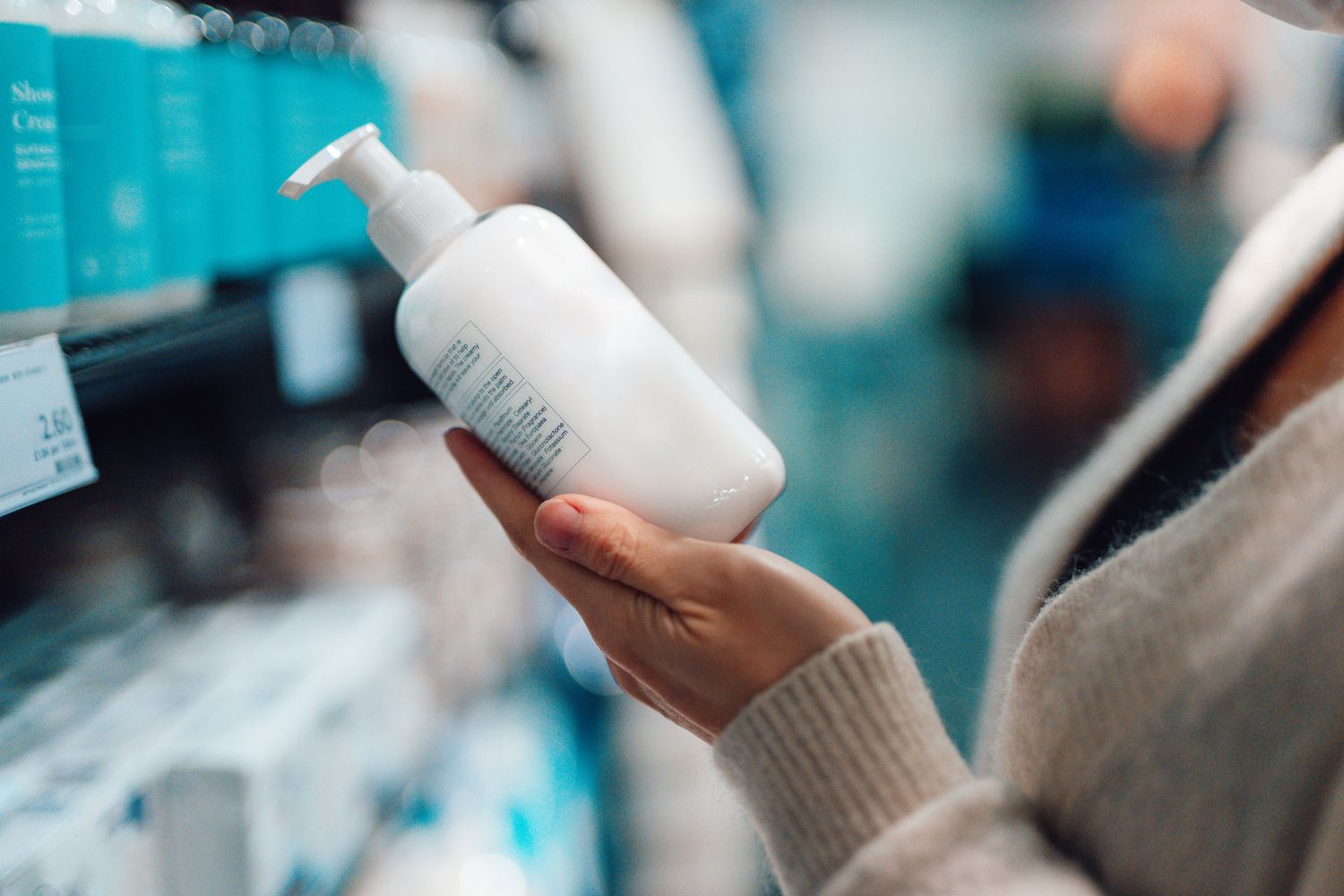
Early clean beauty came close to a simple equation — natural-derived equals clean. The 2025–2026 trend has shifted toward a definition one step narrower.
Lines positioned as "clean" in the Korean market now consistently come with explicit "free-from" lists. Formulas exclude roughly twenty categories — parabens, synthetic fragrances, alcohol, silicones, animal-derived ingredients — and the exclusions are printed on the front of the label. A single "vegan" mark is no longer enough to set a product apart.
A market shaped by certification and external validation
Korean clean beauty brands are increasingly stacking certifications: EVE VEGAN, ECOCERT, COSMOS, EWG Verified. It is now common to see several logos sharing space on the same label.
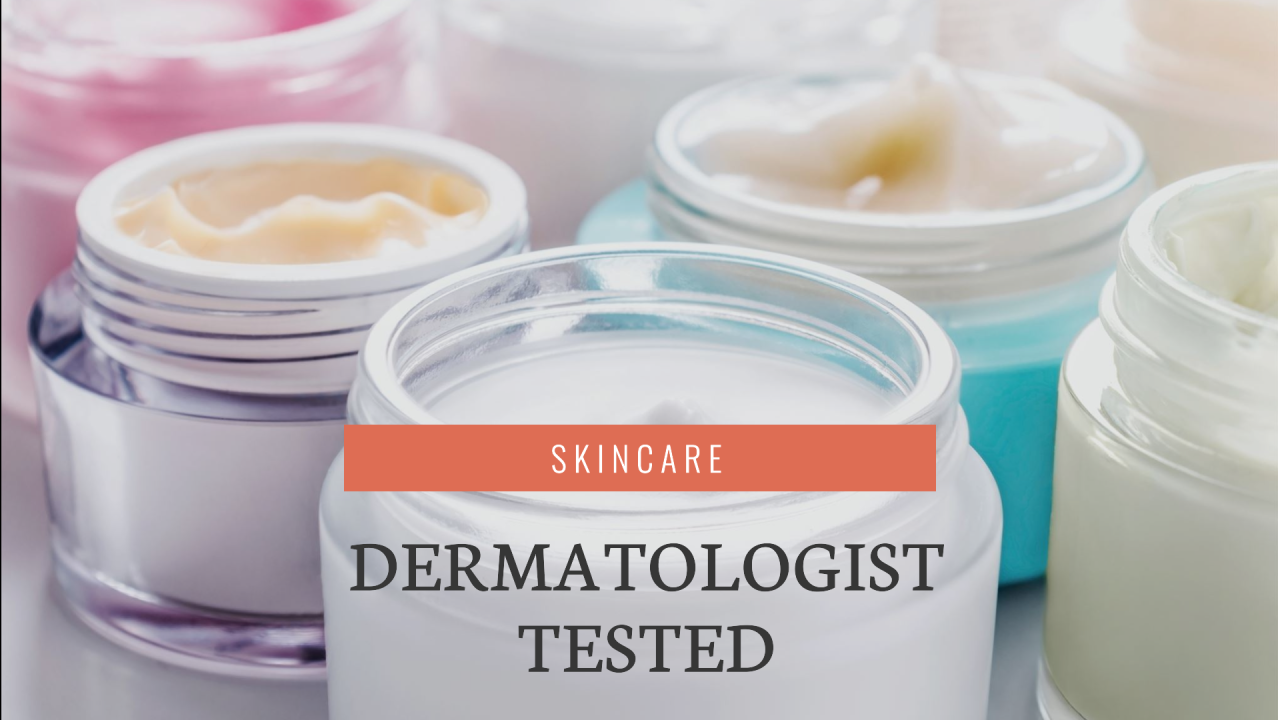
External clinical data is also moving into the foreground — dermatological tests, RIPT (repeated insult patch test), ophthalmologist or obstetrician-reviewed evaluations now appear directly on product pages. The difficulty of judging "clean" from an ingredient list alone has effectively made external validation the new standard.
"Low-irritation, high-function" lines move to the mainstream
In the past, the image of clean beauty leaned toward "gentle but limited in effect." The Korean lineup for 2026 has been arranged to overturn that perception.
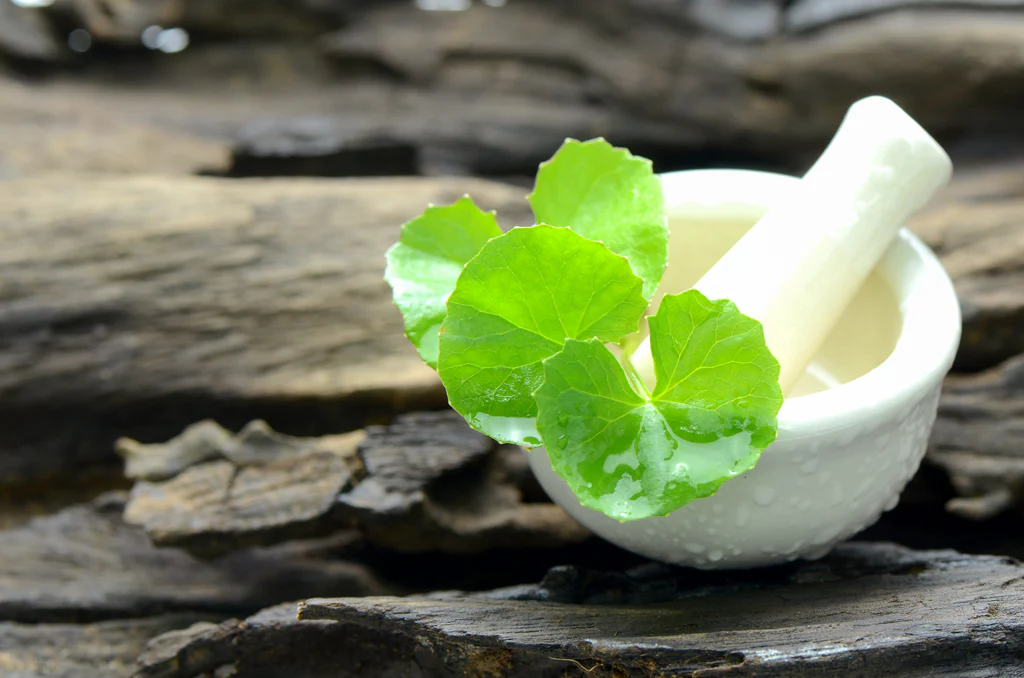
The basic pattern is now familiar — long-standing calming ingredients in the Korean market (mugwort, houttuynia cordata, centella, green tea) combined with functional actives such as vitamin C derivatives, peptides, and niacinamide in a single formula. Brands like isntree, Round Lab, Dr. Alo, and Torriden are representative examples. Formulas that hold low irritation and clear function together are becoming the default grammar of the market.
Packaging and sustainability enter the evaluation criteria
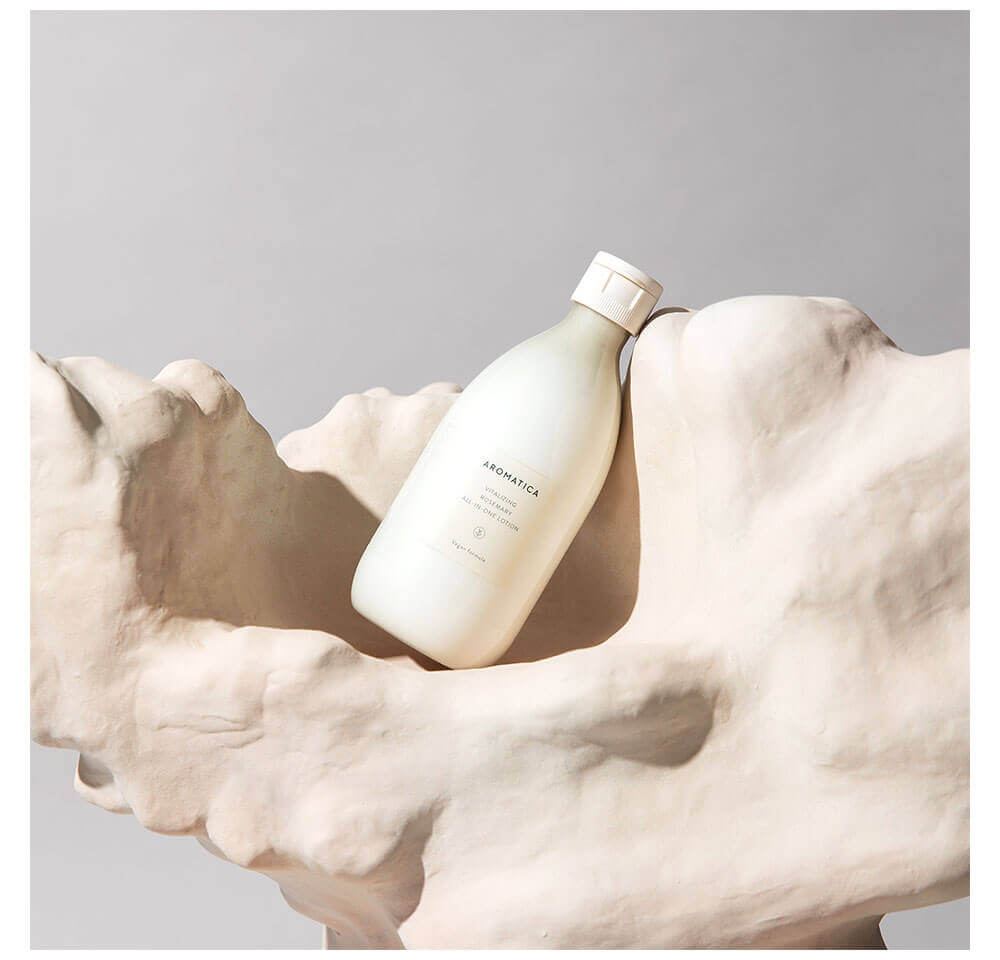
The packaging side has moved the fastest over the past one to two years. Refill systems, FSC-certified paper boxes, and single-material (monomaterial) plastic adoption are increasing visibly.
Brands like AMUSE, Aromatica, and Melixir are pulling the packaging itself into their identity. The marketing point has shifted from "beautiful container" to "designed to reduce what gets discarded." Price competition alone is no longer enough to hold a position in the clean beauty category — a clear signal that priorities have moved.
Who this trend matters to
- Sensitive or breakout-prone skin: lines with explicit "free-from" lists are a reasonable starting point.
- Those prioritizing vegan or animal-welfare standards: lineups can be assembled around products carrying multiple certifications.
- Those starting Korean skincare for the first time: the abundance of low-irritation entry lines keeps the learning curve gentle.
- Those who also evaluate packaging and environmental impact: prioritizing brands that have introduced refill or monomaterial systems is the more efficient path.
What is likely next
The latter half of 2026 is expected to bring a meaningful expansion of microbiome-based clean beauty lines. A polarization is also likely — between minimalist single-ingredient formulas and complex multi-function formulas in a single product.
Beyond the "vegan" label, demand for ethical certifications of the supply chain itself — fair trade, no endangered-species sourcing — is expected to grow stronger. The evaluation criteria for clean beauty are extending from "the finished product" outward, into the entire process by which the product is made.
Checkpoints for the next purchase
Rather than relying on a single certification mark, the following three checks are recommended:
① The specificity of the "free-from" list printed on the label.
② Whether dermatological and clinical data are publicly disclosed.
③ The brand's packaging and refill policy. The more consistently all three are addressed, the more coherently the word "clean" is being operated.