What it is
Beta-glucan is a chain of glucose units obtained from grains such as oats and barley or from yeast and mushroom cell walls. Labels specify oat beta-glucan or yeast beta-glucan; the structures differ slightly but the cosmetic role is similar.
Over 210 Korean products use it, either alongside hyaluronic acid in hydration products or with centella and panthenol in soothing products. Its molecule is larger than hyaluronic acid, so it stays on the surface.
Role in cosmetics
Surface hydrating film
The large molecule stays on the stratum corneum and forms a water-holding film, similar to high-molecular hyaluronic acid, leaving a smooth, settled feel.
Calming and immune cell activation
Studies suggest beta-glucan stimulates skin immune cells to support recovery, so it appears in products for irritated skin and post-procedure care. Oat beta-glucan also has research on itch relief.
Evidence and scope
Human studies show beta-glucan raises stratum corneum hydration and lowers transepidermal water loss, and others report faster wound healing and better recovery after UV exposure. Most are small, and results vary with source and molecular weight, so products are hard to compare.
Concentration and formulation
0.1 to 2 percent is typical; its high viscosity makes higher levels rare. Water-soluble, it fits toners, ampoules and masks, and oat beta-glucan often appears with oat extract in sensitive-skin products.
Cautions
Irritation and allergy are rare, so it is used in sensitive-skin and baby products. Oat-derived material has most gluten protein removed, but those with severe grain allergy can choose yeast-derived versions.
Similar ingredients
| Hyaluronic AcidHyaluronic Acid | Both are polysaccharides forming a surface film, but beta-glucan has more calming research while hyaluronic acid also hydrates the stratum corneum by molecular weight. Many products combine them. |
| Oat Kernel ExtractOat Kernel Extract | Oat kernel extract contains beta-glucan together with avenanthramides and more; beta-glucan is the purified polysaccharide. For calming, the extract is broader; for a hydrating film, purified beta-glucan is more direct. |
Frequently asked questions
Is beta-glucan really more hydrating than hyaluronic acid?+−
Supplier data compare water-holding figures, but independent studies have not confirmed it. The two overlap yet differ, so products containing both are a safe choice.
Are oat and yeast beta-glucan different?+−
The bond structure and source differ slightly, but the cosmetic role is similar. Oat versions have more itch-relief research, yeast versions more immune cell research.
Is it fine for acne-prone skin?+−
It does not clog pores and is non-irritating, so it is common in soothing and hydrating products for acne-prone skin.
Sources and review date
- CosIng 성분 정보: Beta-GlucanEuropean Commission · 2025
- Beta-glucan 피부 적용 연구 (PubMed 검색)PubMed · 2024
Last reviewed 2026.09.23 · Next review 2027.03.23
Related products
View all products →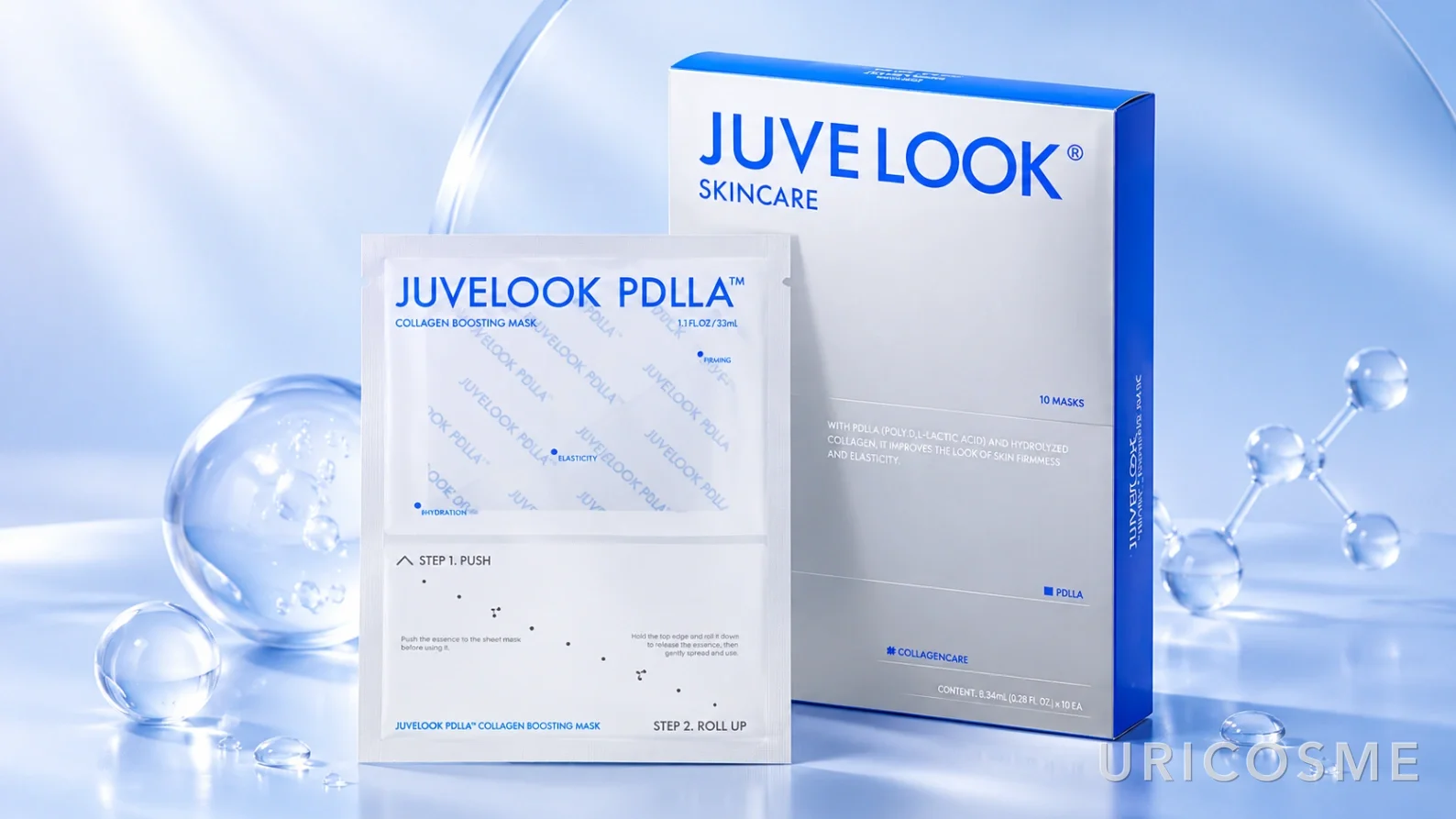
JUVELOOK
JUVELOOK PDLLA Collagen Boosting Mask — 4+1 Promotion / Individual Options
Mask Pack
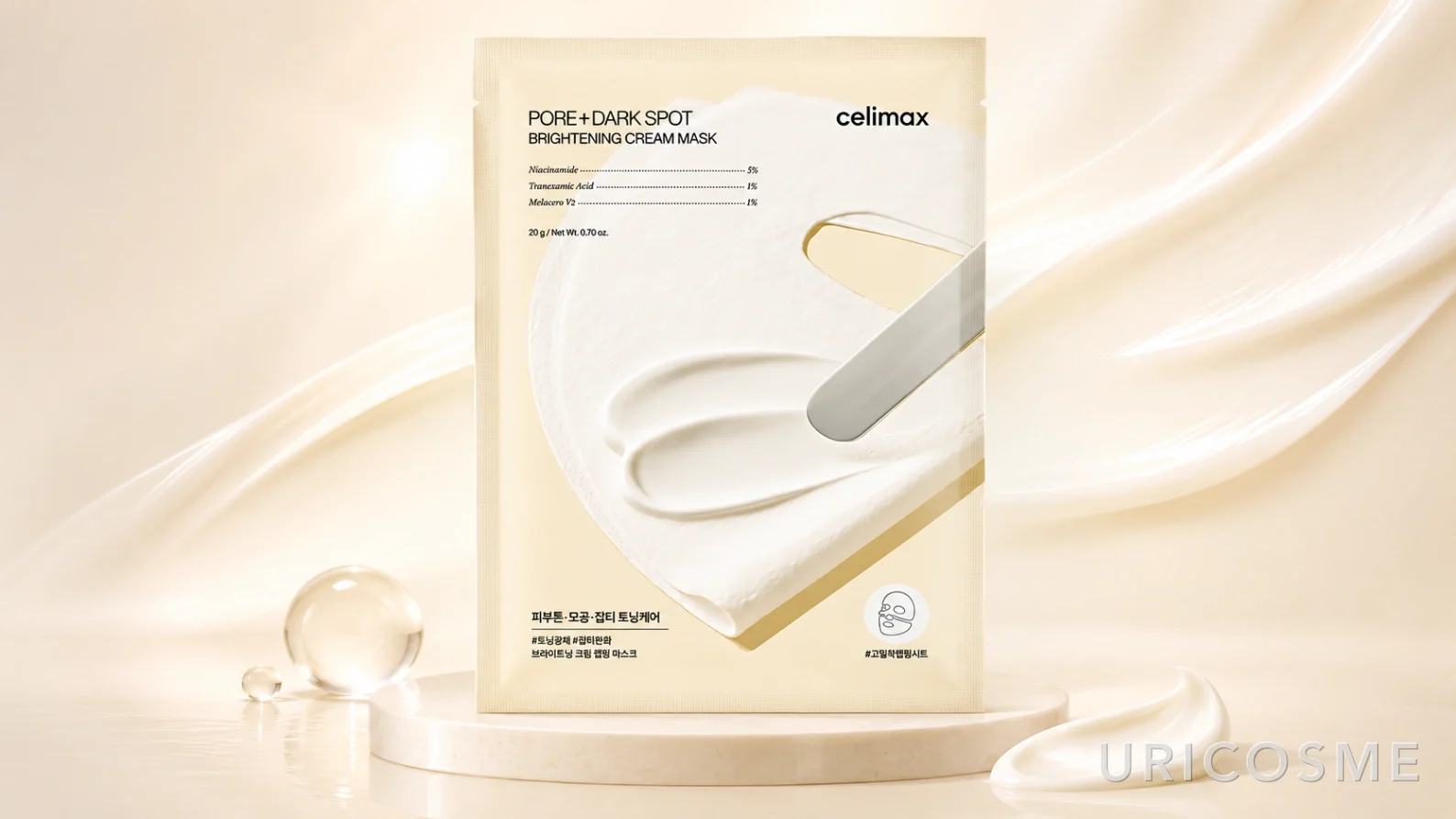
celimax
celimax Tranexamic Acid Brightening Cream Wrapping Mask 5 Sheets
Mask Pack

Medicube
Medicube Pads — Three Types, 140-Pad Refill Listing
Mask Pack
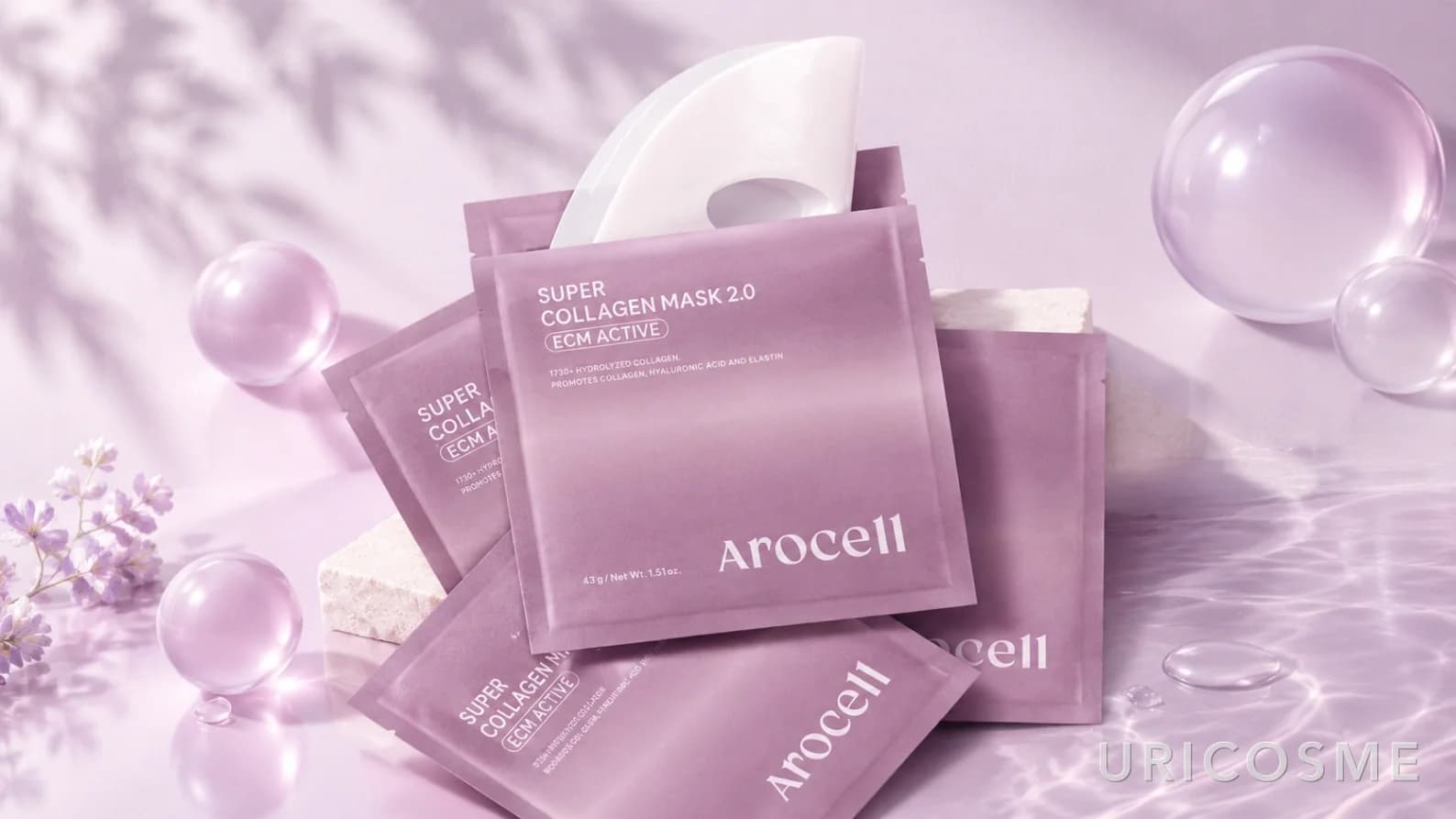
AROCELL
AROCELL Super Collagen Mask 2.0 ECM Active 3+2 Sheets
Mask Pack
Related journal
Product Guide • 2026-07-30
Excess Sebum & Trouble Care 131: Celladix Core Product Guide
Routine Guides • 2026-11-21
Soft, Muted Makeup with Tooq A09 Cotton Cloudy and a Base for Dry Skin
Product Guide • 2026-11-21
2aN Mauve Crush vs. Hush Crush: Which Palette to Pick, and How to Wear Freshian Milky Violet

Product Guide • 2026-11-21