What it is
Glycerin is a trihydric alcohol obtained when vegetable oils or animal fats are broken down. Cosmetic-grade glycerin is almost always plant-derived from palm, coconut or soybean oil. A label that says vegetable glycerin still lists the ingredient simply as glycerin.
It is the second most common ingredient after water, so it usually sits near the top of an ingredient list. Toners, essences, creams, cleansers and masks all use it. Beyond hydration it sets the texture of a formula and works as a solvent for other ingredients.
Role in cosmetics
Drawing and holding water
Glycerin pulls in surrounding moisture and raises the water content of the outer stratum corneum. Its relationship with aquaporin-3, the skin's water channel, has been studied for decades, and some of it remains in the stratum corneum after rinsing, extending the hydration effect.
Texture and stability
Higher concentrations add viscosity and tackiness, so glycerin also tunes the weight of a formula. It dissolves extracts and actives that do not mix well with water, which is why it often appears right after an extract name on the label.
Evidence and scope
Glycerin's moisturizing effect has been confirmed repeatedly over decades through stratum corneum hydration and transepidermal water loss measurements. Several clinical studies show it reduces dryness-related cracking and supports barrier recovery, mostly with lotions or creams at 5 to 20 percent. The Cosmetic Ingredient Review concluded it is safe in current use.
Concentration and formulation
Toners and essences commonly use 2 to 5 percent, creams and body lotions 5 to 15 percent. Above 20 percent it becomes noticeably tacky, and in very dry air it can draw water up from deeper skin, so formulas pair it with oils or occlusives. If it appears right after water on the label the level is high; near the end it is a small amount for texture.
Cautions
Irritation and allergy reports are rare, which is why it is used in baby and sensitive-skin products. In very low humidity, a high-glycerin product used alone can feel tight, so finishing with a cream or oil helps.
Similar ingredients
| Hyaluronic AcidHyaluronic Acid | Both are humectants. Hyaluronic acid forms a surface film or moves between corneocytes depending on molecular weight, while glycerin's small molecule spreads evenly and deeply through the stratum corneum. Most products combine the two. |
| BetaineBetaine | Betaine is also a water-binding humectant but feels lighter and less tacky than glycerin. Toners aiming for a fresh finish lean on betaine; dense hydration relies on glycerin. |
Frequently asked questions
If glycerin is second on the list, is there a lot of it?+−
Ingredients are listed in descending order, so glycerin right after water is likely above 5 percent. Ingredients under 1 percent can be listed in any order, so a position near the end does not tell you the exact amount.
Is glycerin fine for acne-prone skin?+−
It does not clog pores and is common in products for acne-prone skin. If tackiness bothers you, choose a gel formula with less glycerin.
Is vegetable glycerin different from regular glycerin?+−
Only the source differs. The chemical structure and label name are identical, and most cosmetic glycerin is plant-derived anyway.
Sources and review date
- CosIng 성분 정보: GlycerinEuropean Commission · 2025
- Safety Assessment of Glycerin as Used in CosmeticsCosmetic Ingredient Review · 2019
Last reviewed 2026.09.23 · Next review 2027.03.23
Related products
View all products →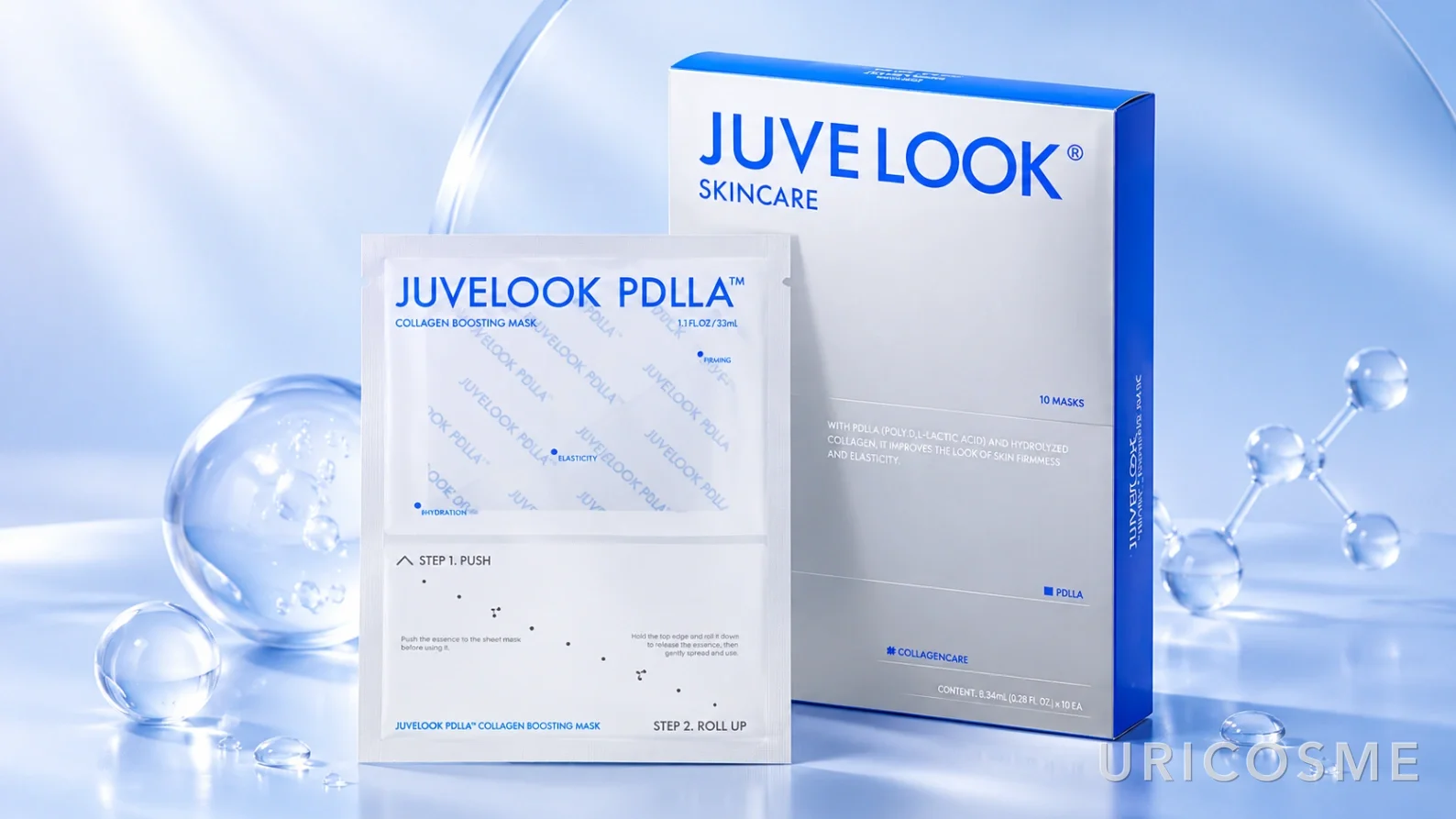
JUVELOOK
JUVELOOK PDLLA Collagen Boosting Mask — 4+1 Promotion / Individual Options
Mask Pack
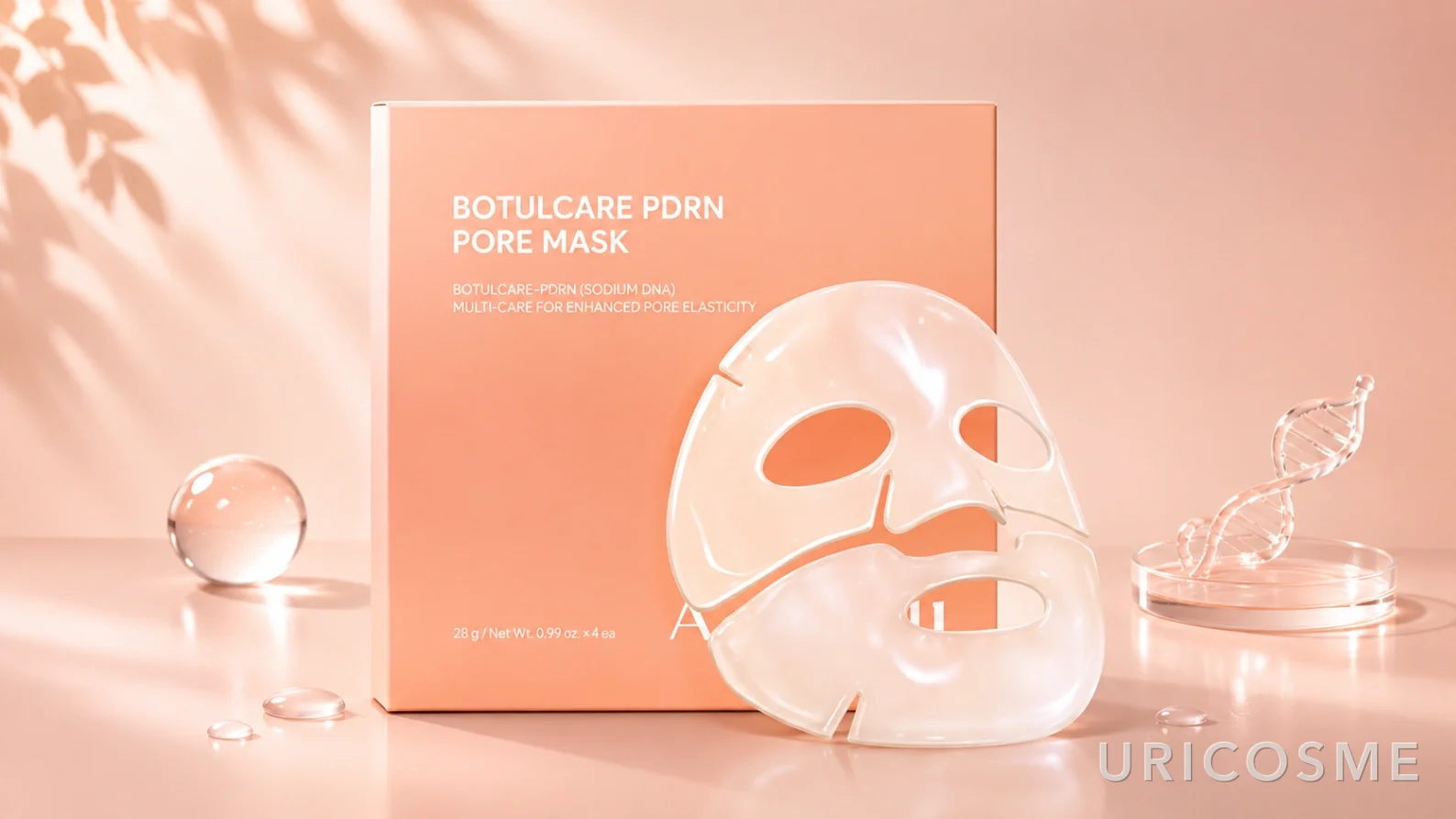
AROCELL
AROCELL Botulcare PDRN Pore Mask 3+2 Sheets
Mask Pack
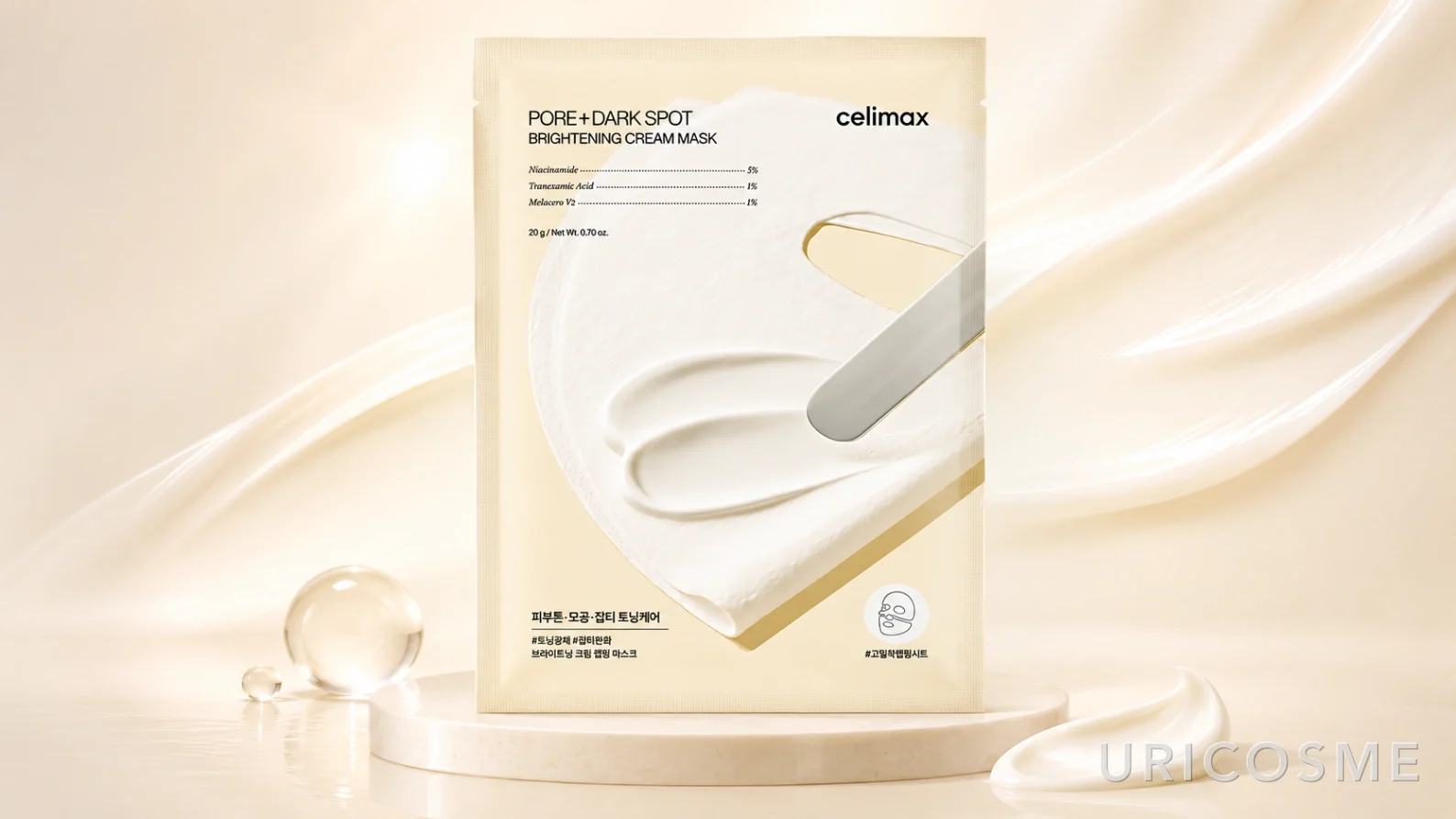
celimax
celimax Tranexamic Acid Brightening Cream Wrapping Mask 5 Sheets
Mask Pack
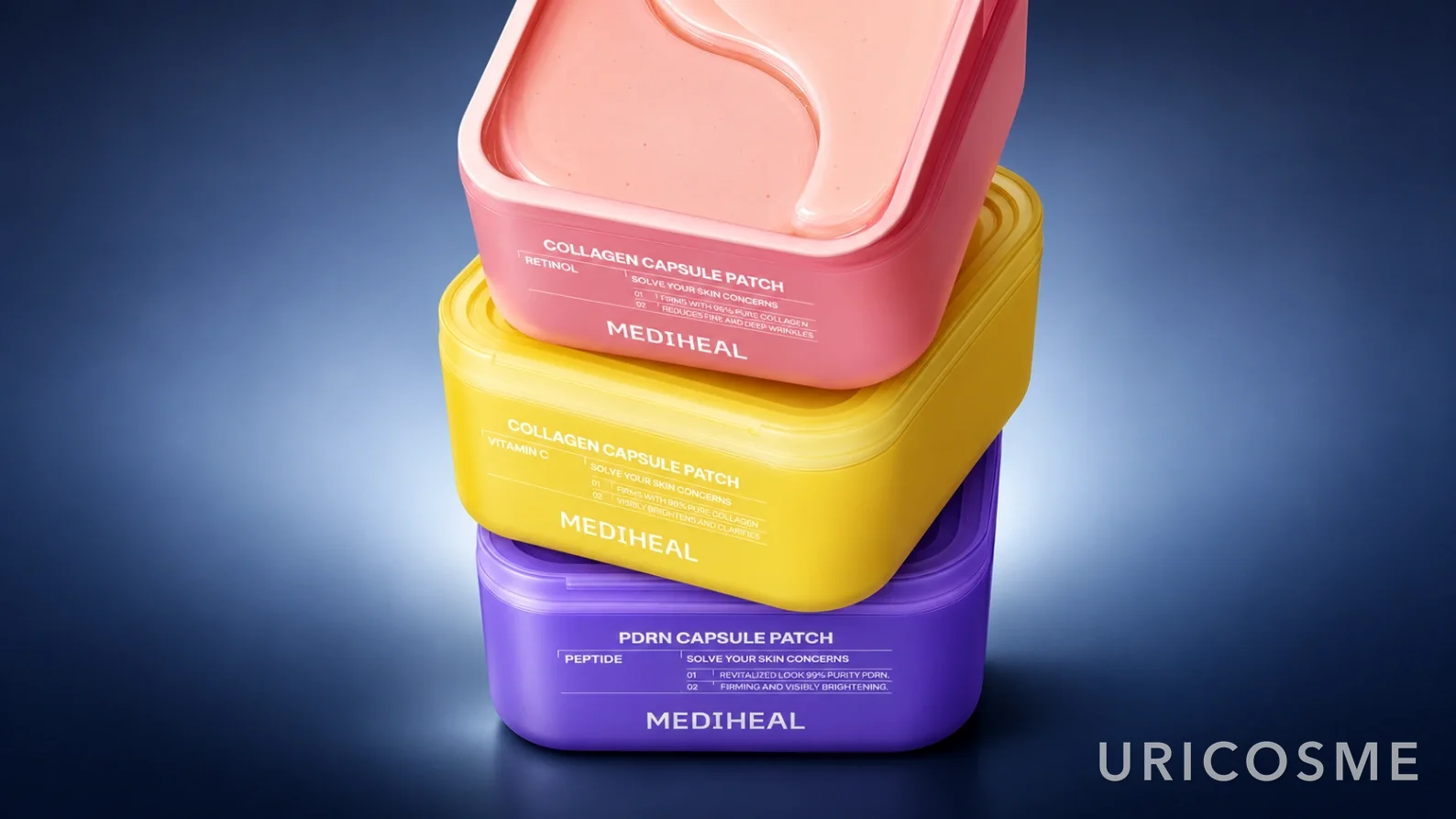
MEDIHEAL
MEDIHEAL Collagen Capsule Patch 60+60 Patches — Retinol, Vitamin C or PDRN
Mask Pack
Related journal
Product Guide • 2026-11-24
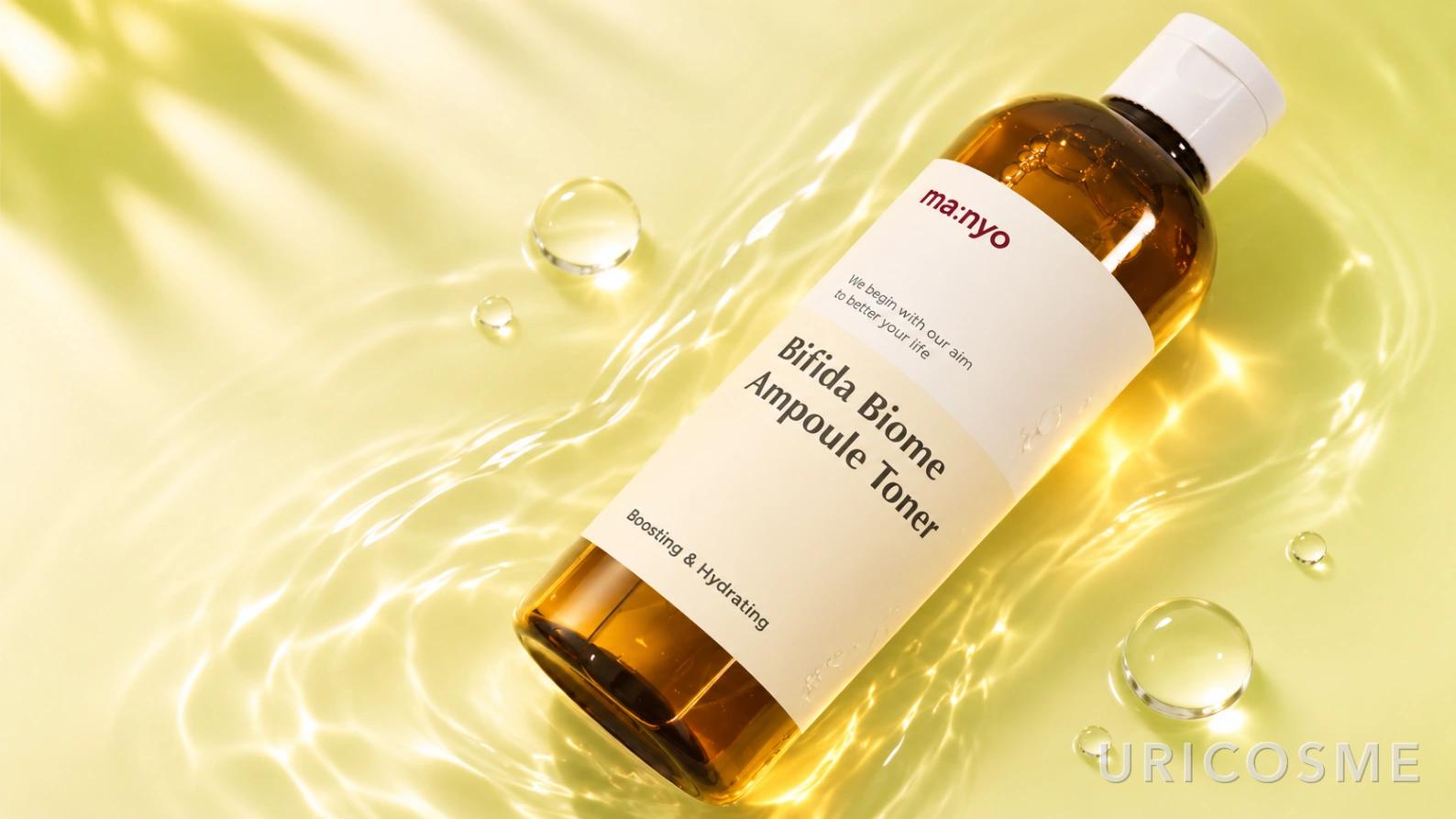
ma:nyo Bifida Biome Ampoule Toner: Ingredients and How to Use It After Cleansing
Product Guide • 2026-11-18
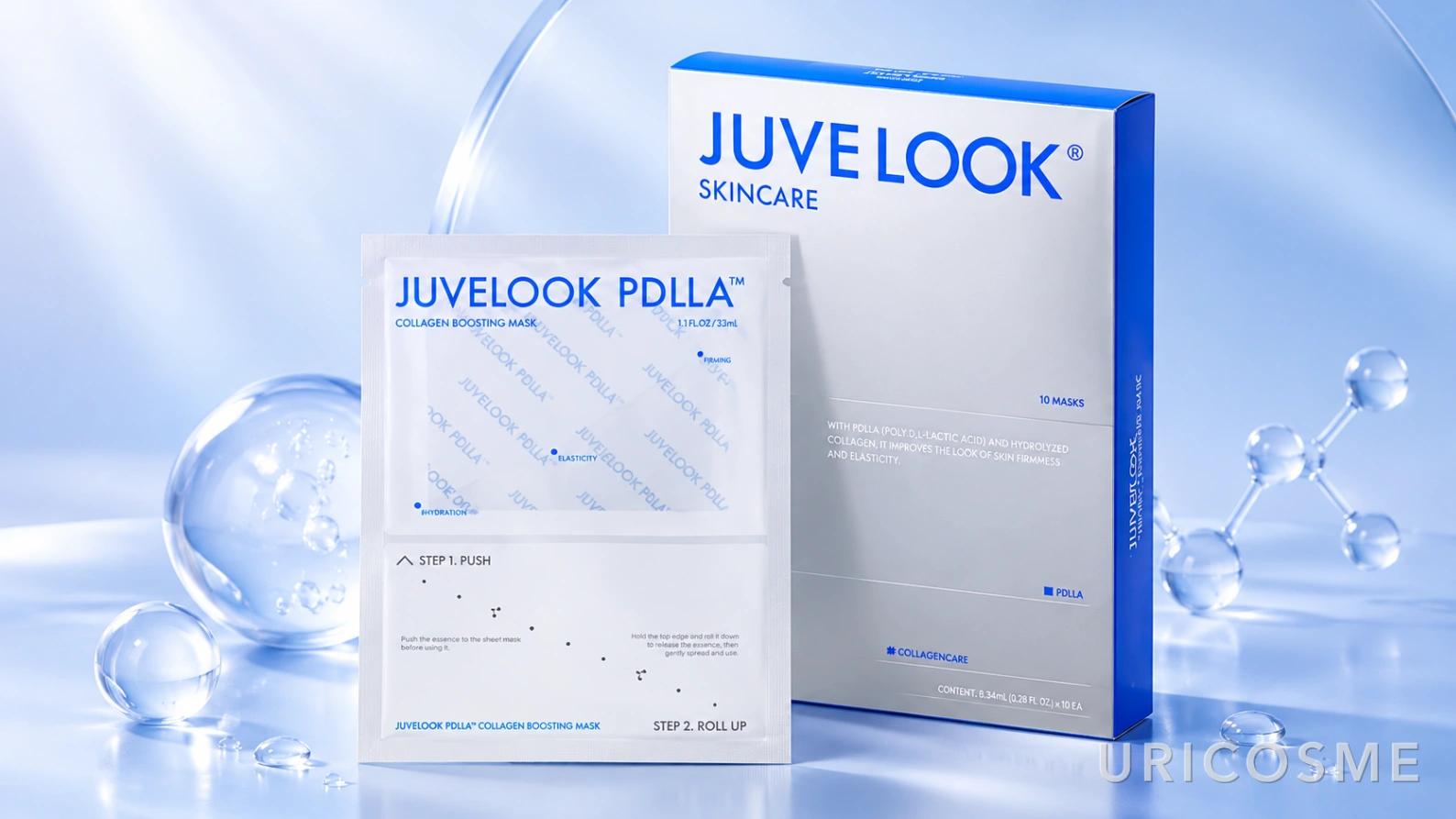
Juvelook PDLLA Collagen Boosting Mask: Mix Before Opening
Product Guide • 2026-11-13
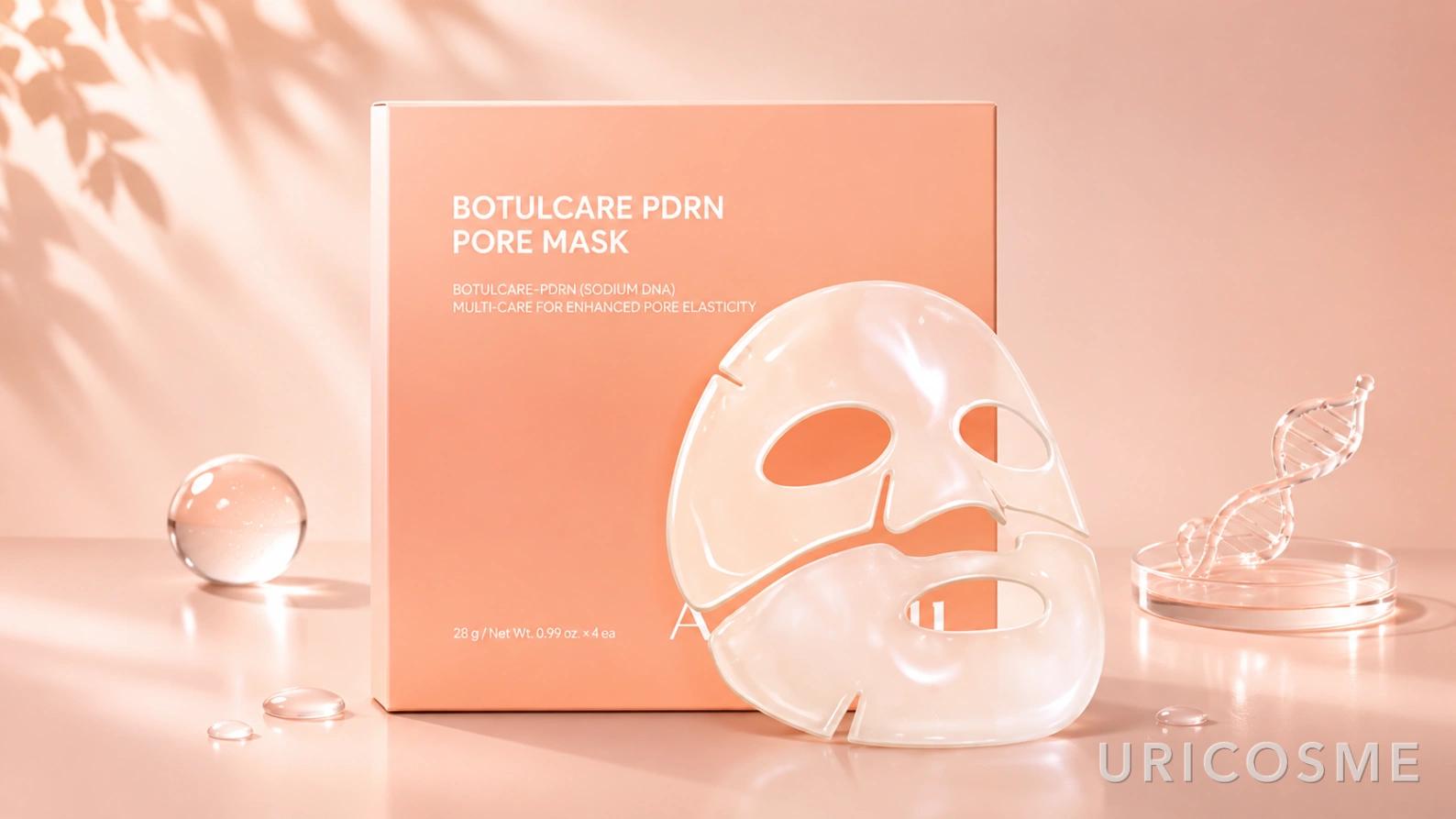
Arocell Botulcare PDRN Pore Mask: Which Way Does the Grid Side Face?
Routine Guides • 2026-11-12