What it is
Adenosine is a nucleoside made of adenine and ribose, the backbone of ATP, the body's energy currency. Cosmetic grades are produced by fermentation or synthesis. It dissolves easily in water and is stable to heat and pH, making it an easy ingredient to formulate.
It is the most common anti-wrinkle functional ingredient in Korea. Because the regulated level is a low 0.04 percent and irritation is minimal, it appears in toners, essences, creams, eye creams and sunscreens, and is frequently paired with niacinamide to create dual-function brightening and anti-wrinkle products.
Role in cosmetics
Wrinkle improvement (functional)
It is understood to support collagen production in dermal fibroblasts and to activate cellular energy metabolism. Korea recognizes it as an anti-wrinkle functional ingredient at 0.04 percent.
Combination with other actives
It is used instead of, or alongside, more irritating anti-ageing actives such as retinol and peptides to keep a formula gentle. The adenosine plus niacinamide pairing is the standard recipe for dual-function labeling in Korea.
Evidence and scope
Adenosine was listed in Korea on the basis of human application test data. A Korean clinical study found reduced crow's-feet wrinkle depth after 8 to 12 weeks of a 0.04 percent adenosine cream, supported by in vitro work showing increased collagen synthesis in fibroblasts. Compared with retinol, the change is consistently described as gradual and non-irritating.
Classification in Korea and Japan
| Korea · Functional cosmetics | Japan · Quasi-drug | |
|---|---|---|
| Listed name | 아데노신 | アデノシン |
| Category | Anti-wrinkle | Not applicable |
| Concentration | 0.04% | — |
Concentration and formulation
The Korean functional level is 0.04 percent and most products use exactly that. There is no evidence that higher levels scale the effect. Being water-soluble it is easy to add to toners and essences, and it can sit in the middle or lower part of the ingredient list while still being present at 0.04 percent.
Cautions
Irritation and allergy reports are rare, so it is used even in anti-ageing products for sensitive skin. Its effect is gentle; for a more visible change in wrinkles, products that also contain retinoids are the better choice.
Similar ingredients
| RetinolRetinol | Retinol acts more strongly on cell turnover and collagen production but brings irritation and sun sensitivity. Adenosine delivers a smaller change without irritation, which makes it the first choice for daily care and sensitive skin. |
| BakuchiolBakuchiol | Bakuchiol is a plant-derived ingredient that works in a similar direction to retinol with less irritation. Like adenosine it belongs to gentle anti-ageing formulas, and some products combine the two. |
Frequently asked questions
Isn't 0.04 percent adenosine too little?+−
0.04 percent is the level the Korean MFDS set after reviewing human application data. It qualifies for the anti-wrinkle functional claim, and there is no evidence that higher levels work better.
Is every product with adenosine a functional cosmetic?+−
Only products with at least 0.04 percent that pass functional review can carry the anti-wrinkle claim. Some general cosmetics use smaller amounts, so check the functional labeling on the package.
Can I use it with retinol?+−
Yes. Adenosine is non-irritating, layers fine with retinol products, and many formulas contain both.
Sources and review date
- 기능성화장품 기준 및 시험방법 (식약처 고시): 아데노신식품의약품안전처 · 2024
- CosIng 성분 정보: AdenosineEuropean Commission · 2025
Last reviewed 2026.09.23 · Next review 2027.03.23
Related products
View all products →
Related journal
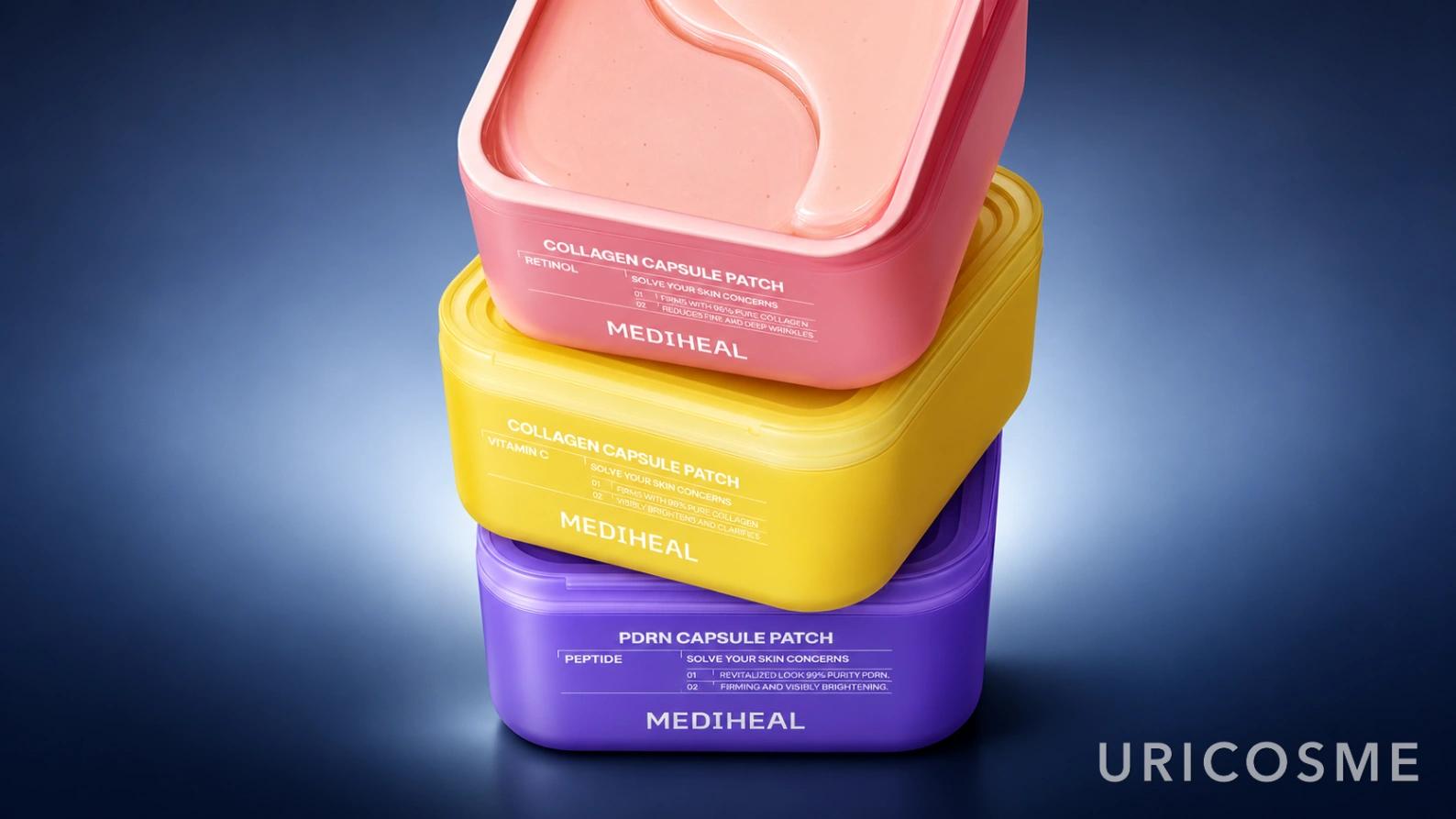
Product Guide • 2026-11-06
MEDIHEAL Collagen Capsule Patch: Retinol, Vitamin C or PDRN?
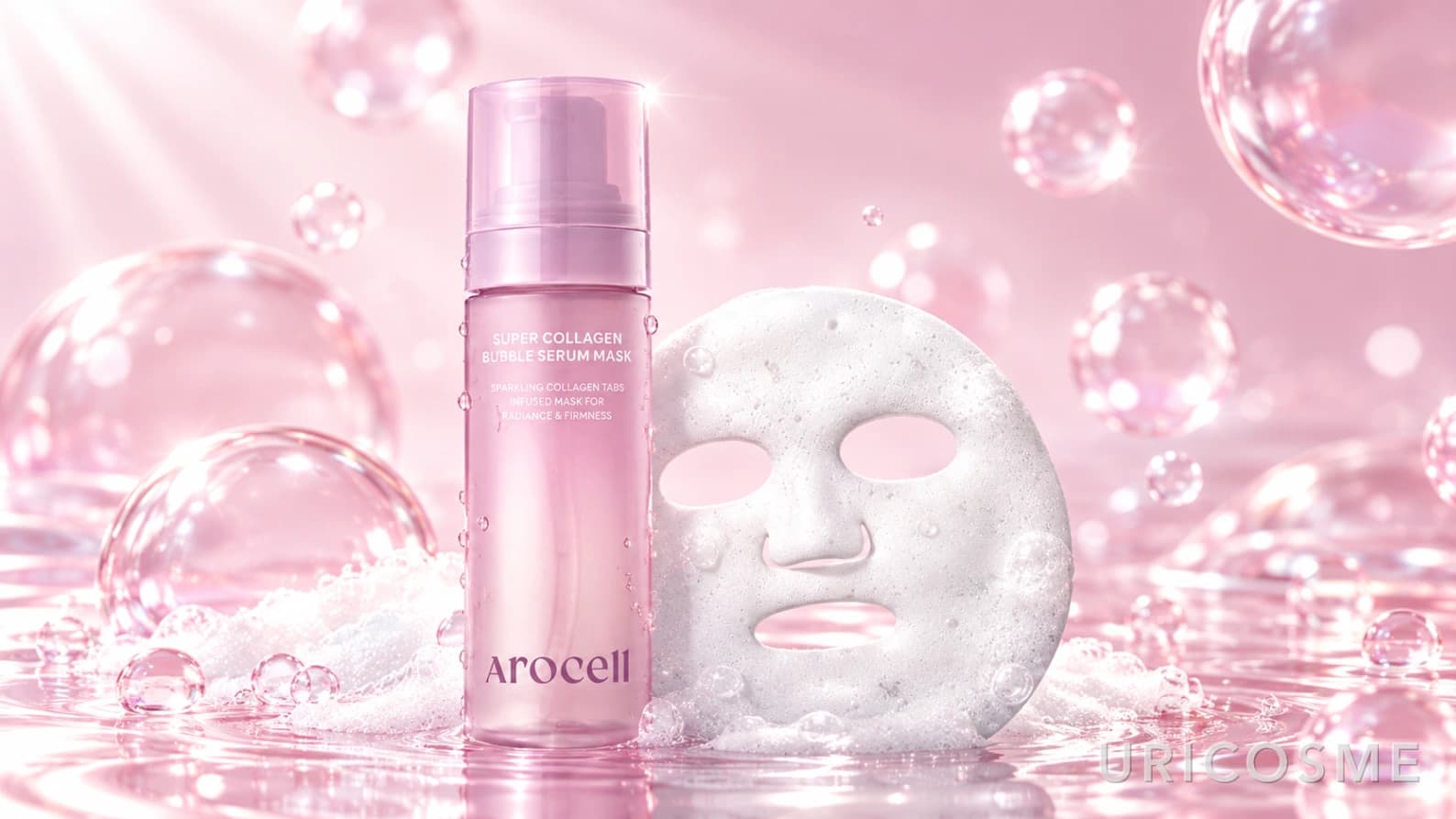
Product Guide • 2026-10-30
AROCELL Super Collagen Bubble Serum Mask: From First Opening to Daily Use
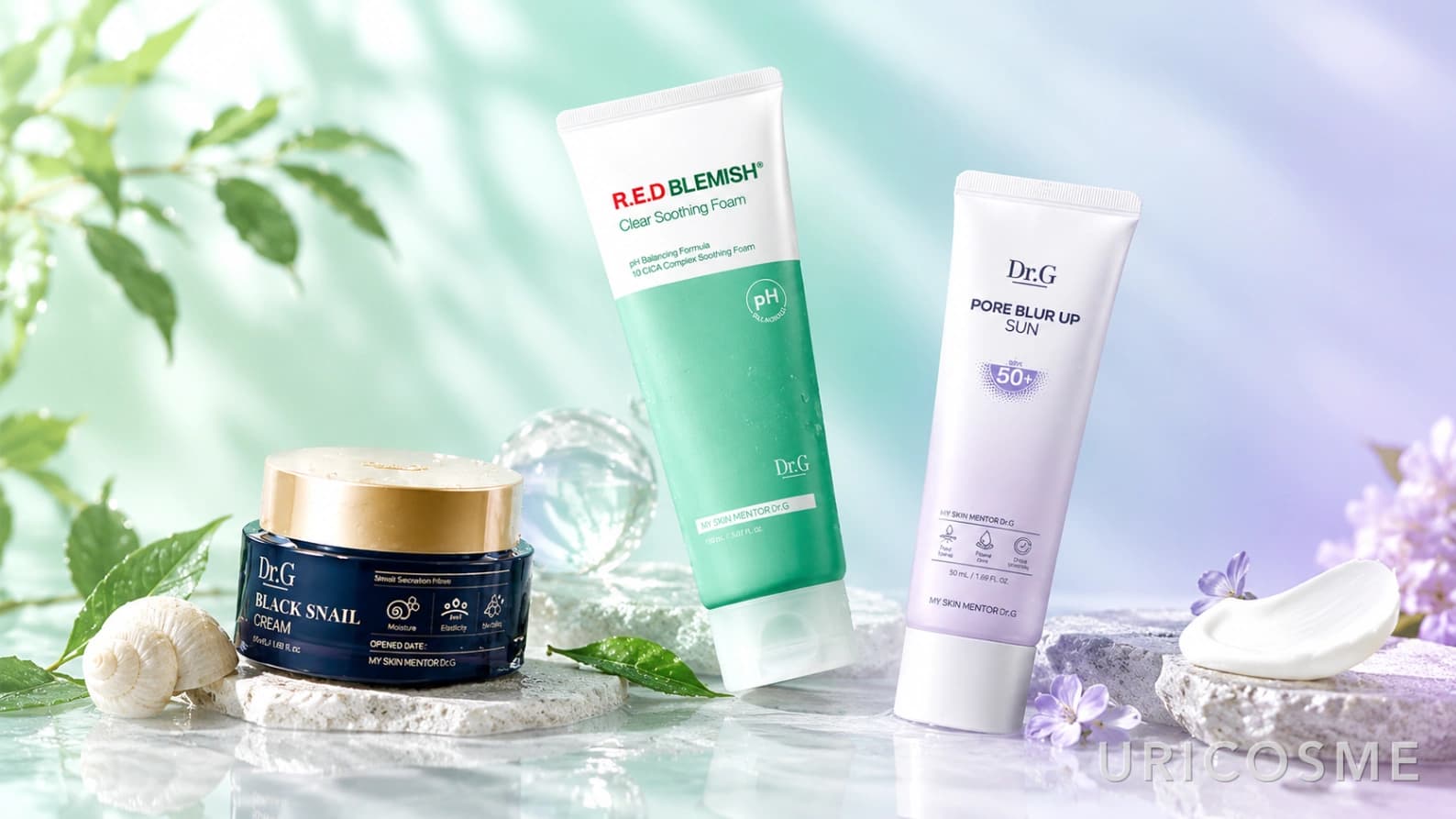
Product Guide • 2026-10-13
Dr.G Black Snail Cream 50ml: Ingredients and How to Use
Trend Report • 2026-10-02