What it is
Panthenol is the alcohol form of vitamin B5. Once absorbed it converts to pantothenic acid, which is why it is called provitamin B5. Labels list it as panthenol, dexpanthenol or D-panthenol. This dictionary covers the end product, pantothenic acid, under the same entry.
It is a signature ingredient of Korean soothing lines and is often paired with centella (cica). Hair care has used it for decades to add moisture and shine to hair.
Role in cosmetics
Holding water and settling the barrier
Panthenol works as a humectant in the stratum corneum and supports lipid synthesis for barrier recovery. It is common in products meant to calm skin that has turned red after cleansing or exfoliation.
Hair and scalp
It stays on the hair surface to bind moisture and reduce static, and it is used to calm the scalp. Shampoos, treatments and hair essences use it routinely.
Evidence and scope
Panthenol has a relatively deep clinical record for wound and barrier recovery. Studies show 5 percent dexpanthenol reduced transepidermal water loss and sped recovery on surfactant-irritated skin, and it has been used for recovery after laser procedures. The Cosmetic Ingredient Review considers it safe at current use levels.
Concentration and formulation
Skincare typically uses 0.5 to 2 percent, and soothing-focused products go up to 5 percent. It is water-soluble, easy to add to toners, essences and gels, and reasonably stable to heat and pH. Dexpanthenol contains only the active isomer, so it is more efficient at the same concentration.
Cautions
Irritation and allergy are rare, so it is widely used in sensitive-skin, baby and post-procedure products. Contact allergy has been reported occasionally, so start new products with a small amount.
Similar ingredients
| AllantoinAllantoin | Both are common soothing partners. Allantoin softens rough surface texture and reduces irritation, while panthenol leans toward holding water and helping the barrier recover. |
| Cica (Centella Asiatica)Centella Asiatica Extract | Centella extract is a plant extract with several active compounds; panthenol is a single molecule. Korean cica lines usually include both, so they appear side by side on labels. |
Frequently asked questions
Are panthenol and pantothenic acid the same?+−
Panthenol converts in skin to pantothenic acid, vitamin B5. The names differ but they are one family, so this dictionary lists them together. Cosmetics use the panthenol form far more because of its stability and absorption.
Is a product labeled dexpanthenol better?+−
Dexpanthenol is the active D-isomer only. It is more efficient at equal concentration, but most cosmetic panthenol is already rich in the D-form, so the practical difference is small.
Is it fine for acne-prone skin?+−
It does not clog pores and is low in irritation, so it is common in soothing products for acne-prone skin.
Sources and review date
- CosIng 성분 정보: PanthenolEuropean Commission · 2025
- Safety Assessment of Panthenol, Pantothenic Acid, and Derivatives as Used in CosmeticsCosmetic Ingredient Review · 2017
Last reviewed 2026.09.23 · Next review 2027.03.23
Related products
View all products →
Related journal
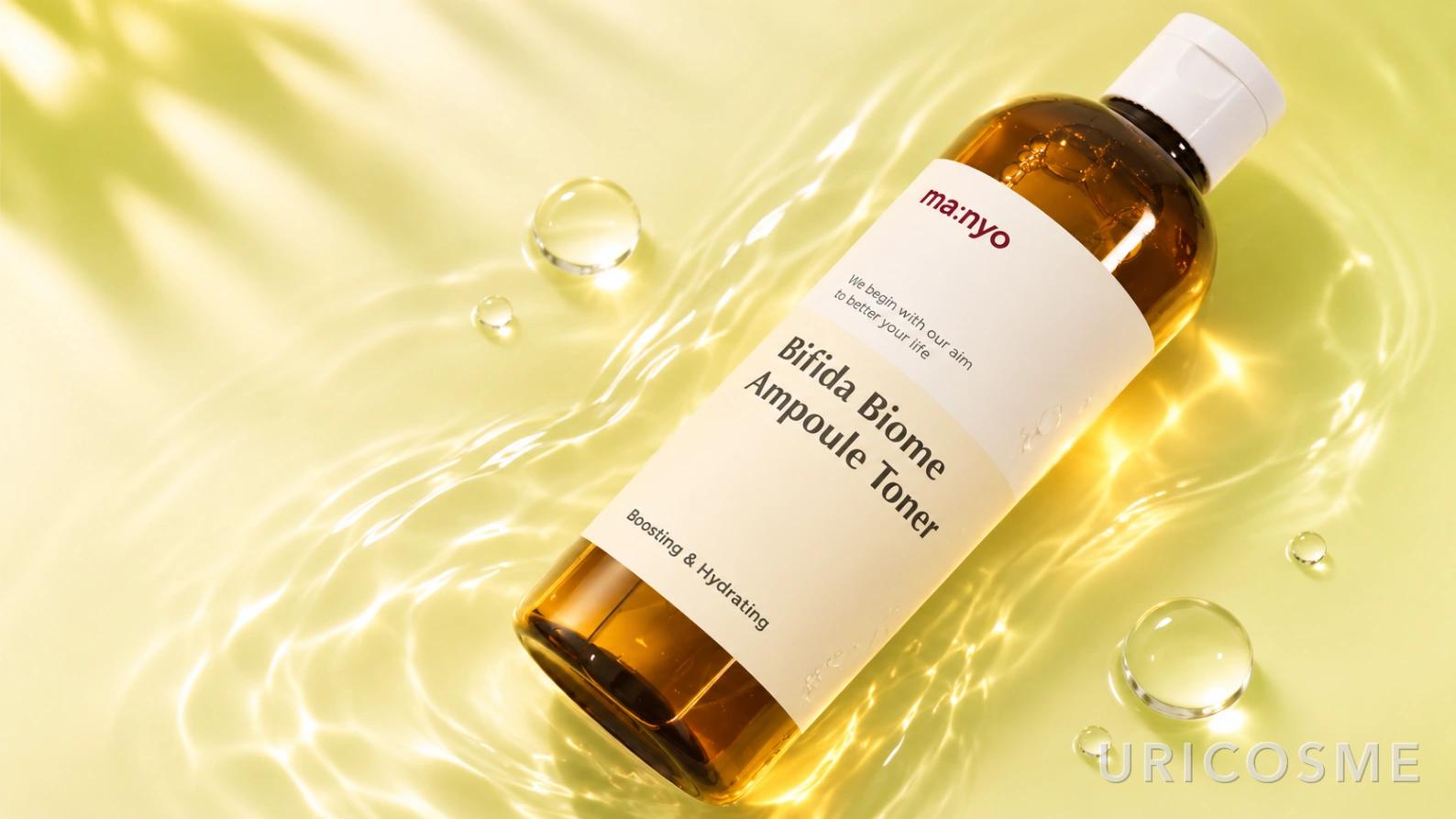
Product Guide • 2026-11-24
ma:nyo Bifida Biome Ampoule Toner: Ingredients and How to Use It After Cleansing
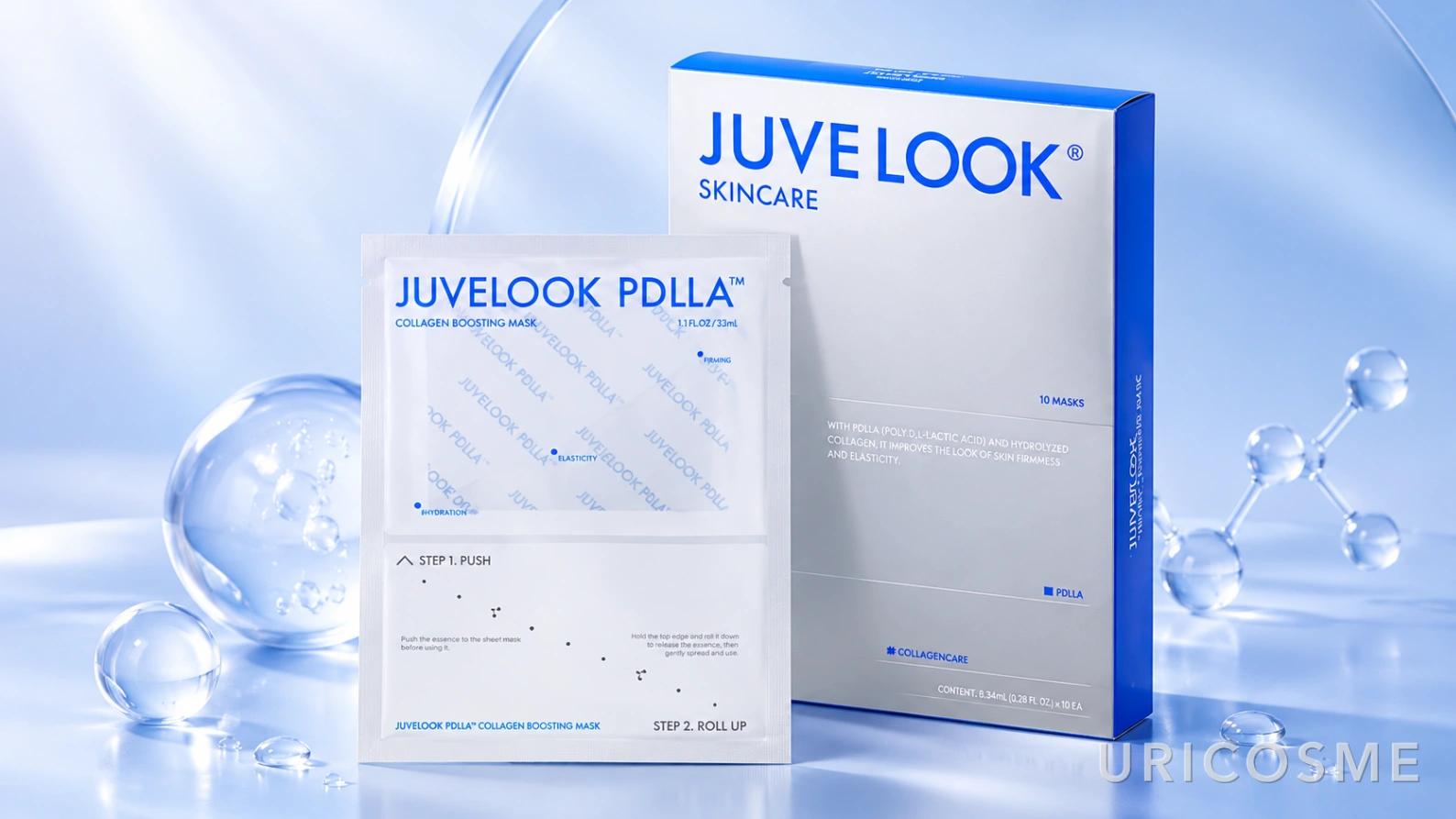
Product Guide • 2026-11-18
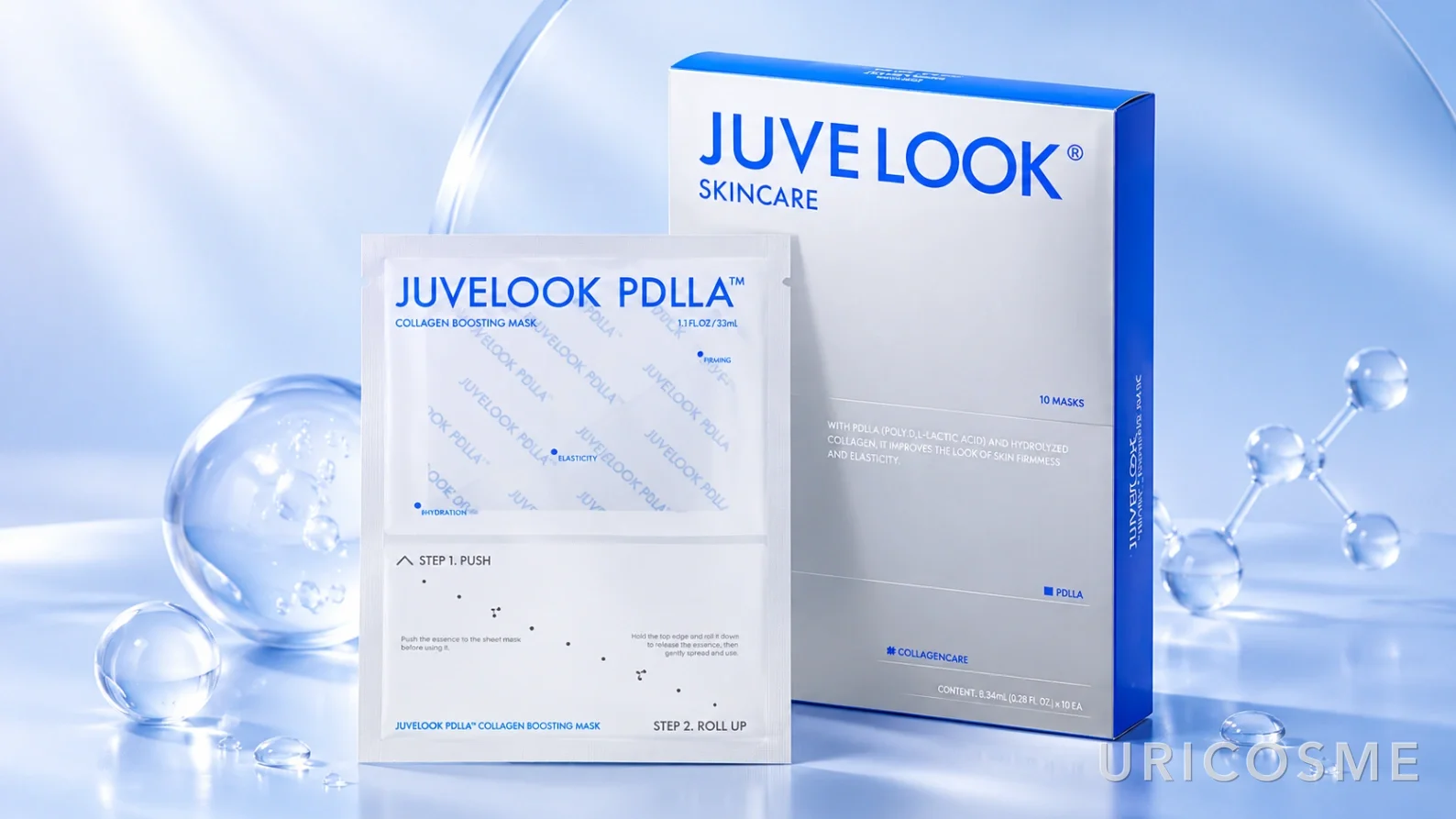
Juvelook PDLLA Collagen Boosting Mask: Mix Before Opening
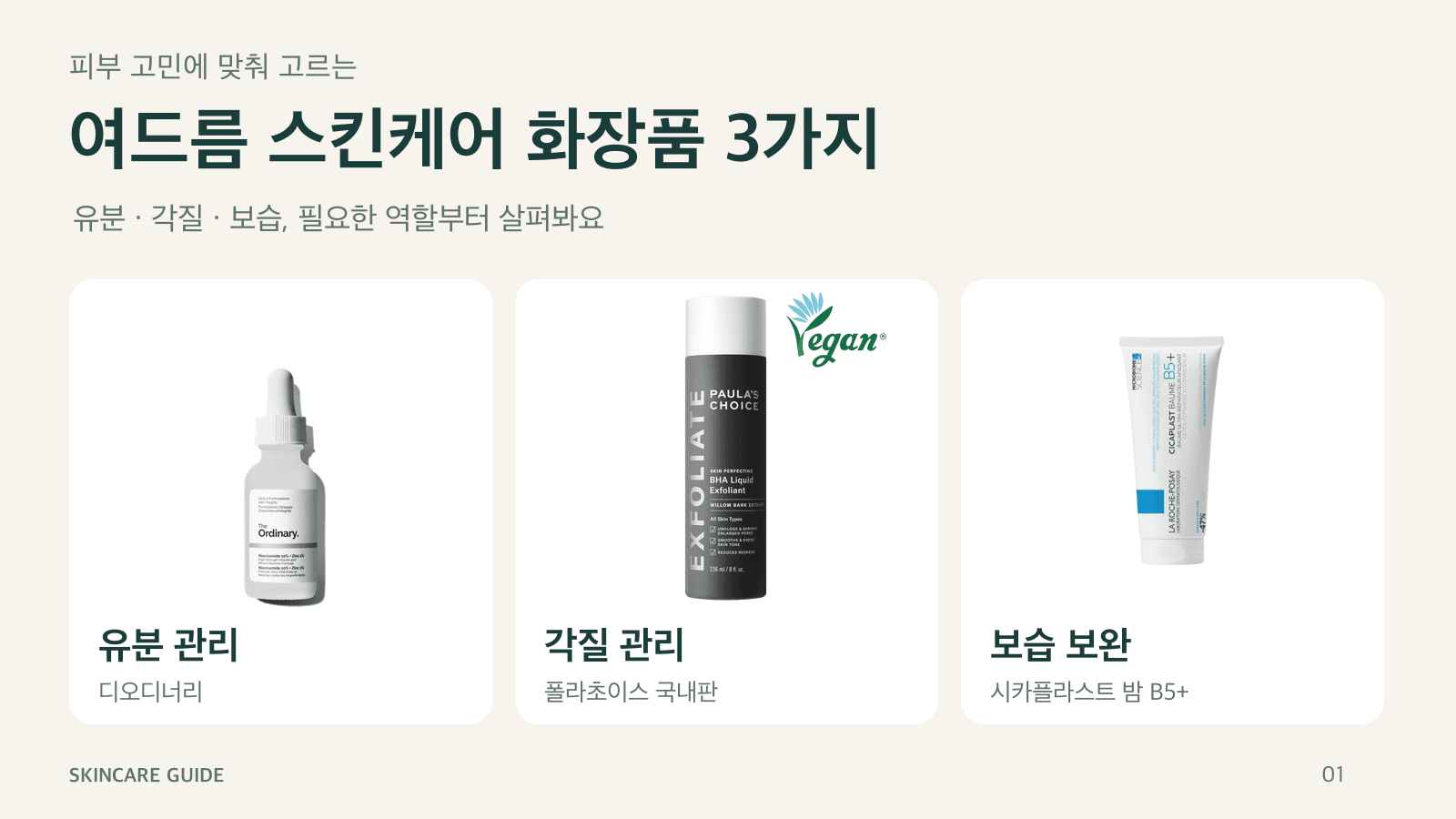
Product Guide • 2026-11-12
3 Skincare Picks for Acne-Prone Skin: Clogged Pores, Oiliness and Dryness
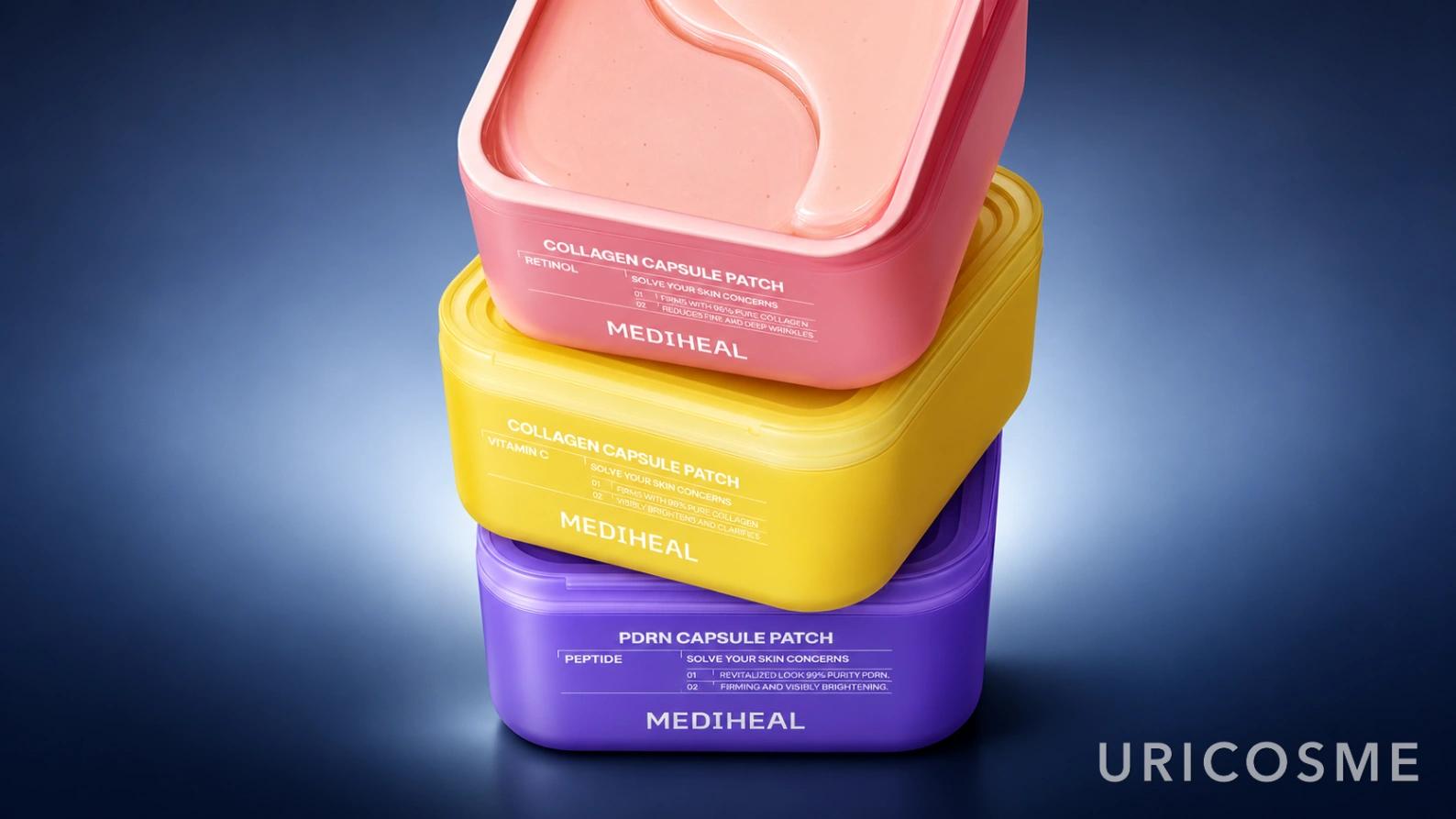
Product Guide • 2026-11-06