What it is
Centella asiatica is a tropical Asian herb, and the extract is made by pulling its leaves and stems into water or glycerin. It carries four actives together, asiaticoside, madecassoside, asiatic acid and madecassic acid, which sets it apart from products using one purified compound. Centella leaf extract on labels is the same family from a different part, so it is covered here.
In Korea, cica defines the soothing category. Nearly 380 products use it, from creams and toners to ampoules, masks and sun care, and it often appears next to panthenol and madecassoside.
Role in cosmetics
Calming irritated skin
It is added to settle skin that has turned red and sensitive. The four actives work together, with madecassoside and asiaticoside at the center of calming and recovery research.
Supporting barrier recovery
Research on collagen synthesis and wound healing backs its use after peels or lasers and in products for a damaged barrier. As an extract, its content and active ratio vary by product.
Evidence and scope
Centella extract and its actives have decades of research on wound healing, collagen synthesis and anti-inflammatory activity. Human studies report centella creams reducing redness and transepidermal water loss, and the purified active complex TECA is used as a drug. Cosmetic extracts do not state their active content, so products are hard to compare.
Concentration and formulation
The extract ranges from 0.1 to 5 percent, and products using standardized raw material give more consistent results. Near the top of the list it signals a soothing-led formula, and products that replace water with centella water list the extract in the water position.
Cautions
Irritation and allergy are rare, making it a staple of sensitive-skin products. As a plant extract it can occasionally trigger reactions, so those allergic to the carrot family should patch test.
Similar ingredients
| MadecassosideMadecassoside | Madecassoside is a single compound isolated from centella, while the extract carries all four actives. The purified form has a clear dose; the extract uses the natural combination. |
| PanthenolPanthenol (Vitamin B5) | Panthenol is a single molecule handling hydration and barrier recovery, and most Korean cica products pair it with centella extract. |
Frequently asked questions
Are cica and centella extract the same?+−
Cica is short for Centella asiatica, a marketing name covering the extract and its actives. Labels list centella extract or the individual compound names.
Is centella leaf extract different?+−
It uses the leaves only rather than the whole plant, with the same actives. This dictionary treats them as one entry.
Does it help acne scars?+−
Recovery studies exist, but there is no evidence that cosmetic concentrations remove scars. Think of it as calming irritated skin and protecting the barrier.
Sources and review date
- CosIng 성분 정보: Centella Asiatica ExtractEuropean Commission · 2025
- Centella asiatica in cosmetology (리뷰)Postępy Dermatologii i Alergologii · 2013
Last reviewed 2026.09.23 · Next review 2027.03.23
Related products
View all products →


Related journal
Product Guide • 2026-10-28
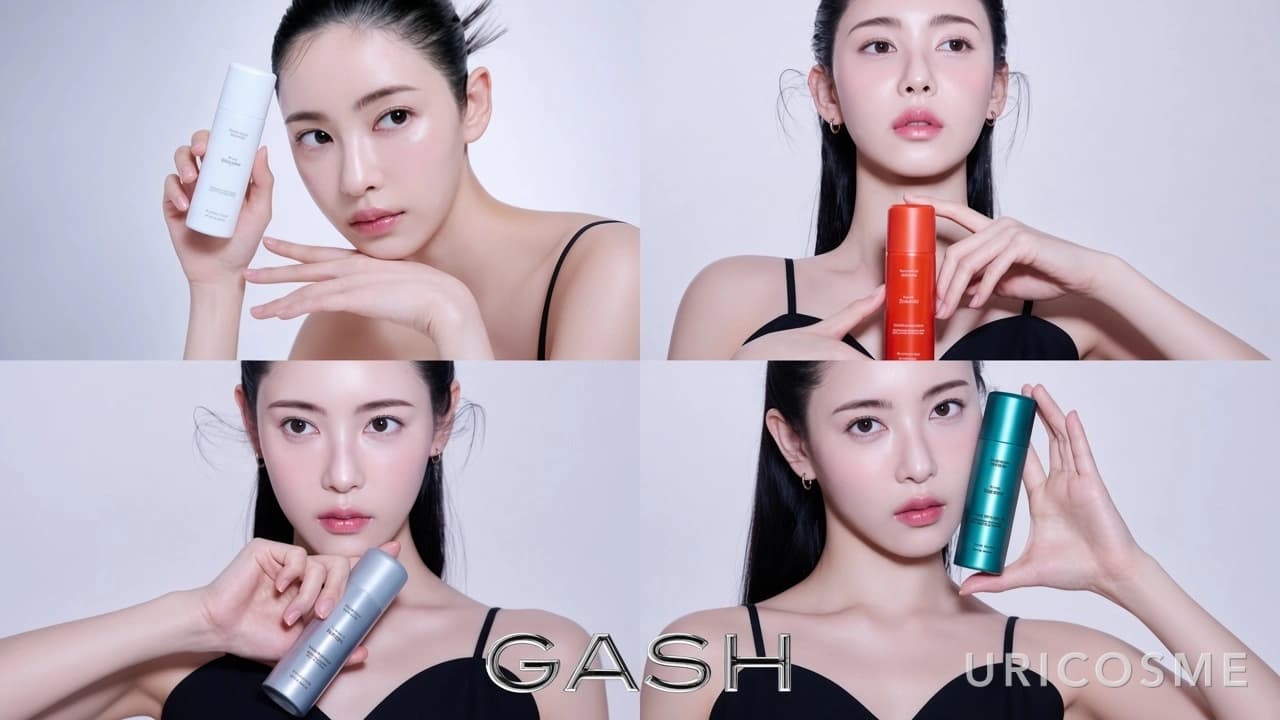
GASH Bubble Masks: How to Use Them Without Rinsing and Choose Between Four Types
Product Guide • 2026-10-16
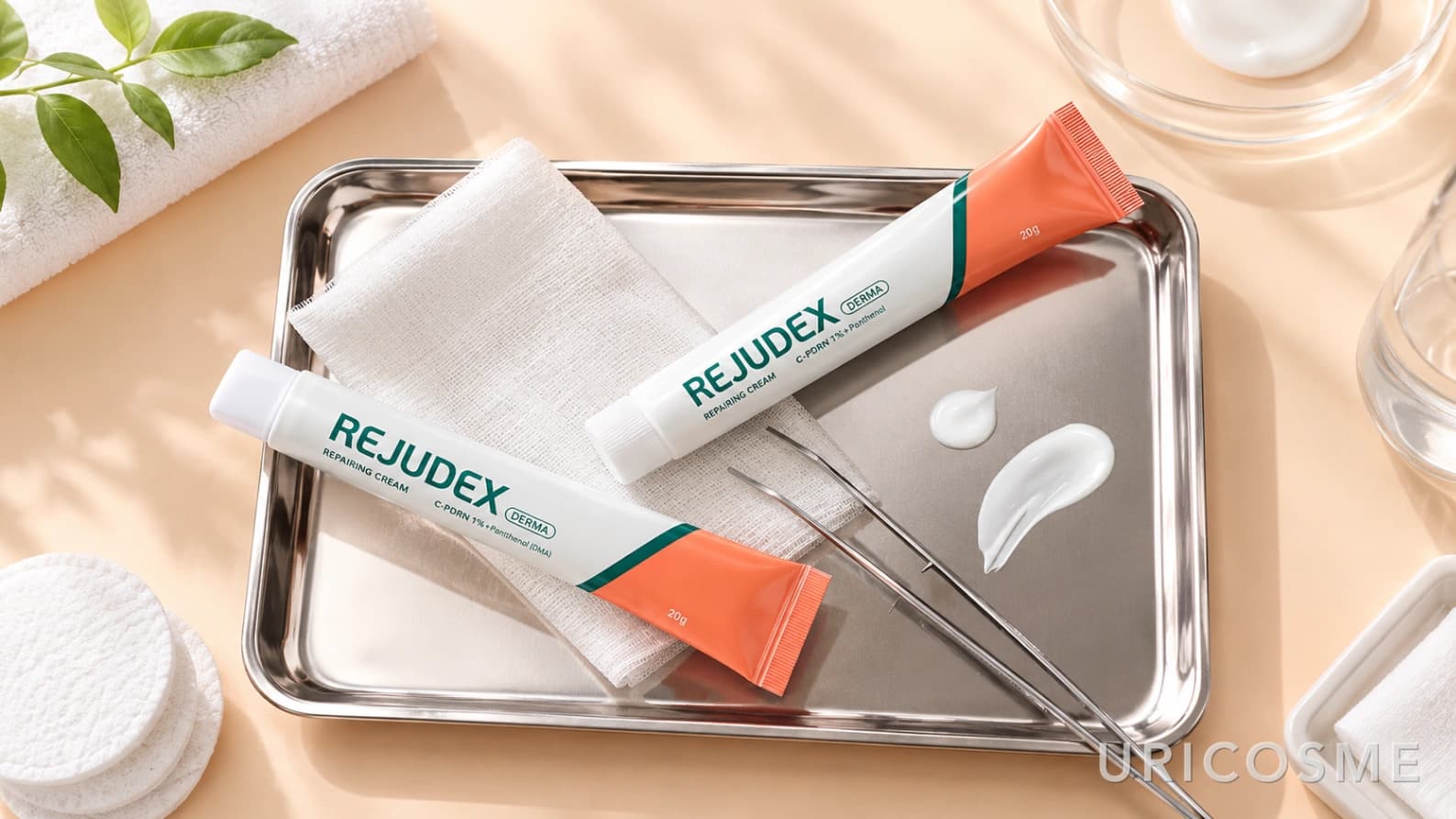
REJUDEX Derma Repairing Cream 20g: Ingredients and How to Use It
Trend Report • 2026-09-28
Olive Young Cleansing Top 4 — September 2026
Product Guide • 2026-08-12