What it is
Sodium PCA is the sodium salt of pyrrolidone carboxylic acid (PCA). PCA makes up about 12 percent of the stratum corneum's natural moisturizing factor (NMF), so applying it means using the very substance skin relies on to hold water. Cosmetic grades are synthesized from glutamic acid.
PCA on labels is the acid form, and zinc PCA is the zinc salt that adds oil control. Being one family, this dictionary lists them together. Over 115 Korean products use it, typically in NMF-inspired hydration formulas with amino acids.
Role in cosmetics
NMF-type hydration
As a natural moisturizing factor component, it binds water strongly inside the stratum corneum with a light feel. Less tacky than glycerin, it suits toners and essences.
Oil control from zinc PCA
The zinc salt adds research on reduced sebum output and action against acne bacteria, so it appears in toners for oily skin.
Evidence and scope
Evidence that sodium PCA raises stratum corneum hydration extends from NMF research, and comparative studies show water-binding similar to glycerin. Zinc PCA has small studies on sebum and acne bacteria. The Cosmetic Ingredient Review found PCA and its salts safe in current use.
Concentration and formulation
0.5 to 3 percent is typical, often as part of NMF complexes with amino acids, betaine and urea. Water-soluble, it fits any water-based formula with almost no tack. Zinc PCA is used at 0.1 to 1 percent.
Cautions
Irritation and allergy are rare, making it common in sensitive-skin products. Regulations require it not be combined with nitrosating agents over nitrosamine concerns, which is not an issue in finished products.
Similar ingredients
| BetaineBetaine | Betaine is another light humectant often formulated with it. Sodium PCA's distinction is being a native NMF component; betaine's is softening surfactant irritation. |
| GlycerinGlycerin | Glycerin binds more water but feels tacky, while sodium PCA offers similar binding with a light feel. Dense hydration calls for glycerin, a light finish for sodium PCA. |
Frequently asked questions
Are sodium PCA and PCA different?+−
PCA is the acid form and sodium PCA its sodium salt. Cosmetics mostly use sodium PCA because it dissolves easily at neutral pH, and the role is the same.
Does zinc PCA help acne?+−
Small studies on sebum and acne bacteria support its use in toners for oily skin, but the evidence base is small. Treat it as a hydrating support ingredient.
Are NMF products better than hyaluronic acid products?+−
The roles differ. NMF components hold water inside the stratum corneum; hyaluronic acid forms a hydrating film on and in it. Most products use both.
Sources and review date
- CosIng 성분 정보: Sodium PCA / PCA / Zinc PCAEuropean Commission · 2025
- Safety Assessment of PCA and Its Salts as Used in CosmeticsCosmetic Ingredient Review · 2019
Last reviewed 2026.09.23 · Next review 2027.03.23
Related products
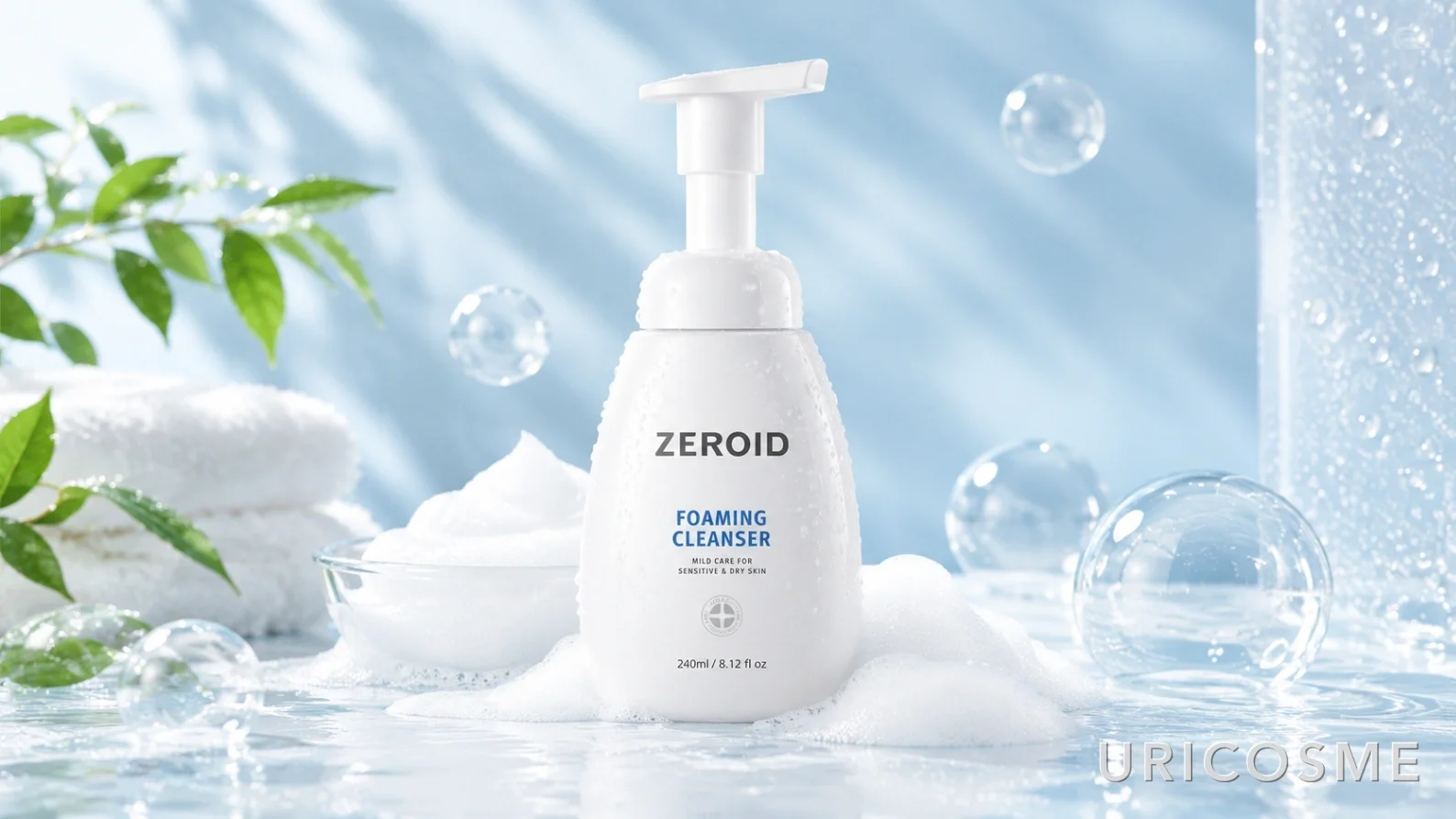
View all products →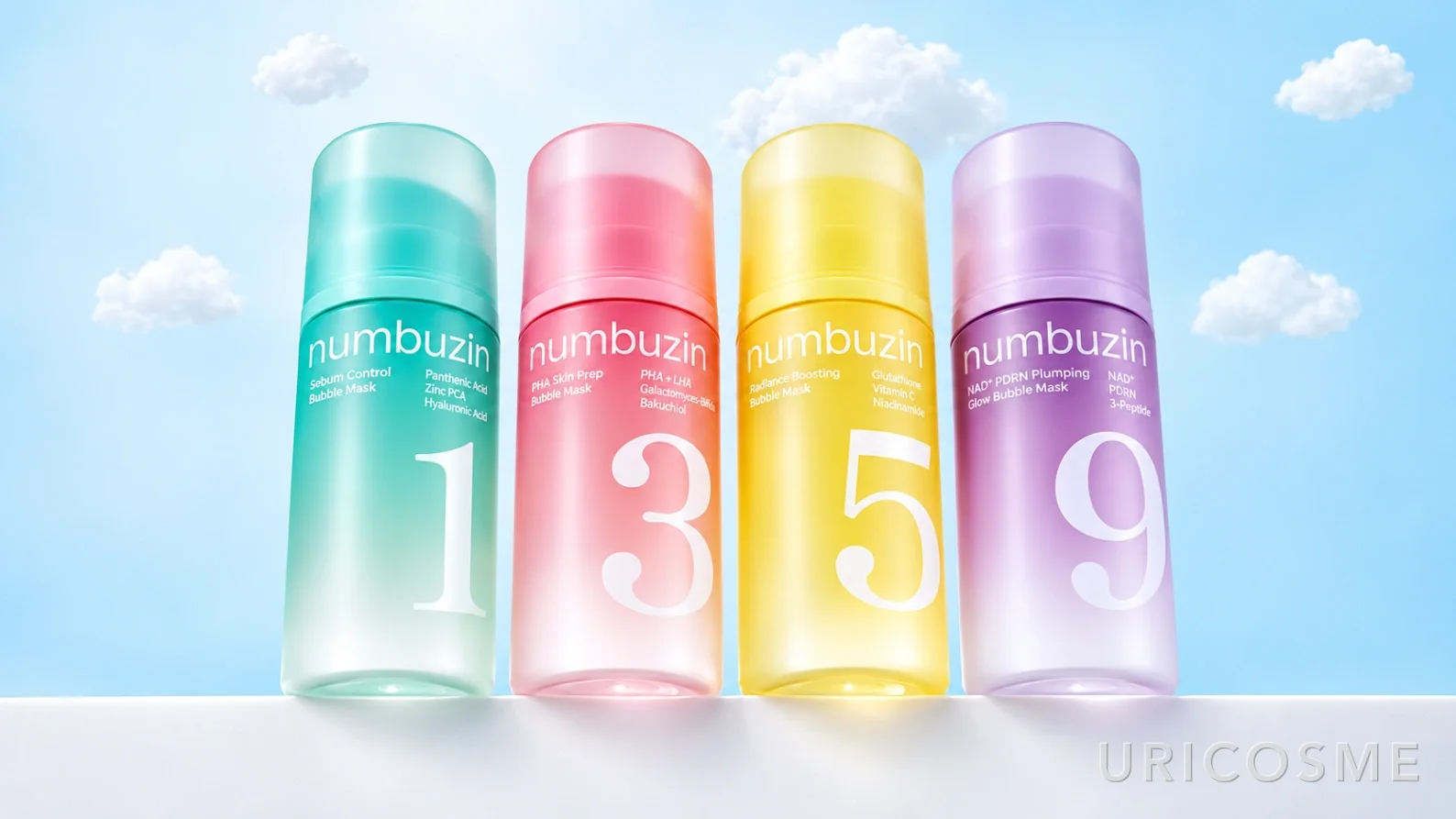


Related journal
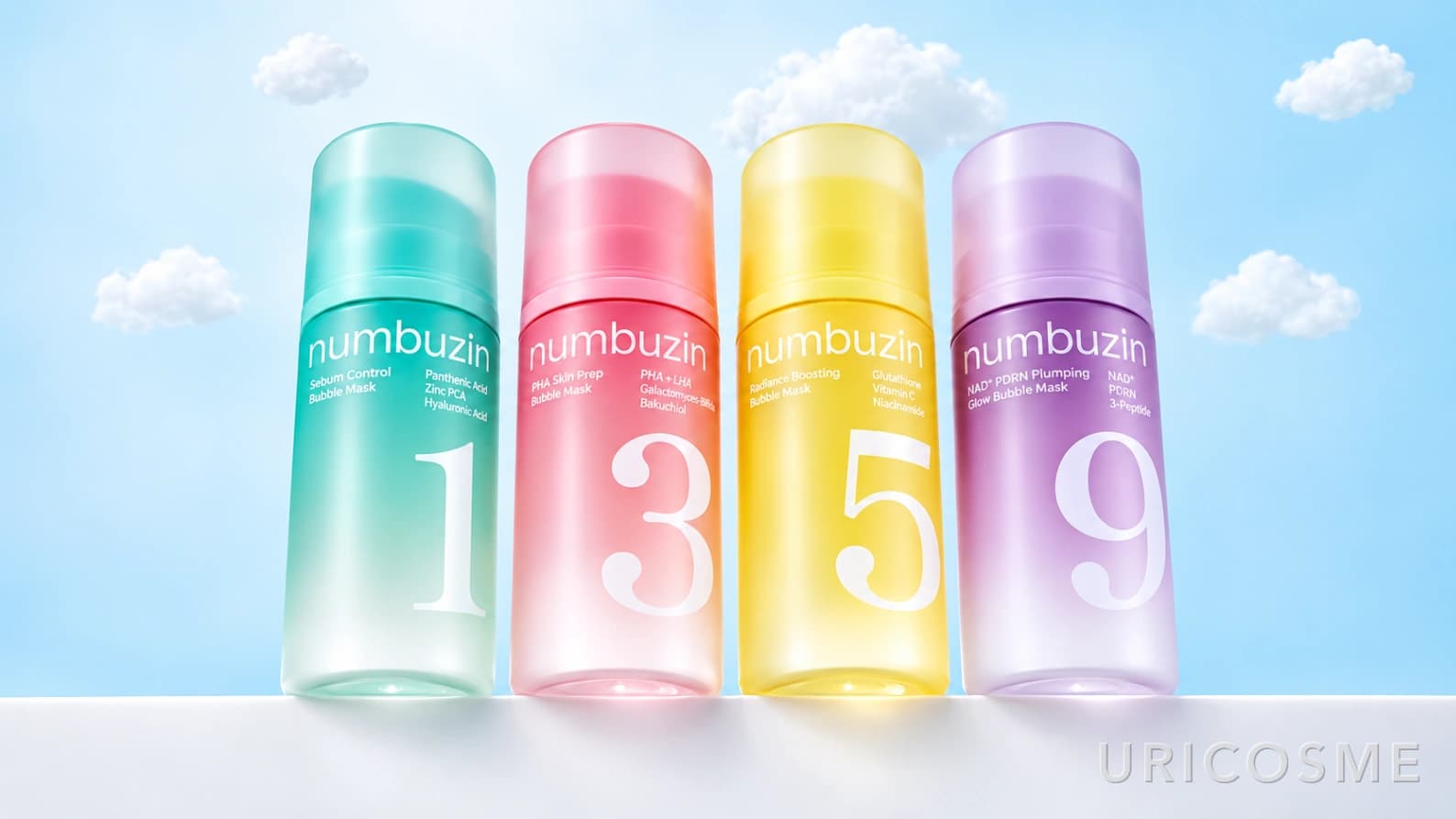
Product Guide • 2026-11-03
numbuzin Prep Bubble Masks No.1, 3, 5 and 9: How to Choose for Your Skin
Trend Report • 2026-09-28
Olive Young Cleansing Top 4 — September 2026
Product Guide • 2026-06-05
The Cream Dermatologists Prescribe: 4 Best ZEROID Products

Routine Guides • 2026-11-21