What it is
Betaine, also called trimethylglycine, is an amino acid derivative obtained from sugar beet molasses. Cells use it to protect themselves from osmotic stress, which is why it is called an osmolyte, and that property carries over to holding water in the stratum corneum.
It is a common humectant in over 360 Korean products. Lighter than glycerin, it is frequent in toners and mists, and cleansers use it to soften surfactant harshness.
Role in cosmetics
Light hydration
It binds water in the stratum corneum with less tackiness than glycerin, so it hydrates light textures and tunes the feel when several humectants are combined.
Reducing irritation
Studies show it reduces surfactant-induced protein denaturation and post-wash tightness, so it appears in gentle cleansers and shampoos.
Evidence and scope
Human studies show betaine raises stratum corneum hydration and lowers transepidermal water loss, and its ability to soften surfactant irritation is often cited in cleanser formulation. The Cosmetic Ingredient Review found it safe in current use.
Concentration and formulation
Hydration use is typically 1 to 5 percent, cleanser use 0.5 to 3 percent. Water-soluble, it fits any water-based formula and is stable to heat and pH. Coco-betaine, a surfactant, is a different ingredient with a similar name.
Cautions
Irritation and allergy reports are rare, so it is widely used in sensitive-skin products.
Similar ingredients
| GlycerinGlycerin | Glycerin hydrates more strongly but feels tacky; betaine is light and fresh. Most products use both to balance hydration and feel. |
| Sodium PCASodium PCA | Sodium PCA is another light humectant from the skin's natural moisturizing factor family, and it often joins betaine in light toner formulas. |
Frequently asked questions
Are betaine and coco-betaine the same?+−
No. Coco-betaine is a coconut-derived cleansing surfactant, while betaine is a moisturizer. Only the names are similar.
Is a product with betaine but no glycerin hydrating enough?+−
It works for light hydration, but dry skin does better with glycerin or oils in the formula.
Is it fine for acne-prone skin?+−
It does not clog pores and feels light, so it is common in toners for oily and acne-prone skin.
Sources and review date
- CosIng 성분 정보: BetaineEuropean Commission · 2025
- Safety Assessment of Betaine as Used in CosmeticsCosmetic Ingredient Review · 2018
Last reviewed 2026.09.23 · Next review 2027.03.23
Related products
View all products →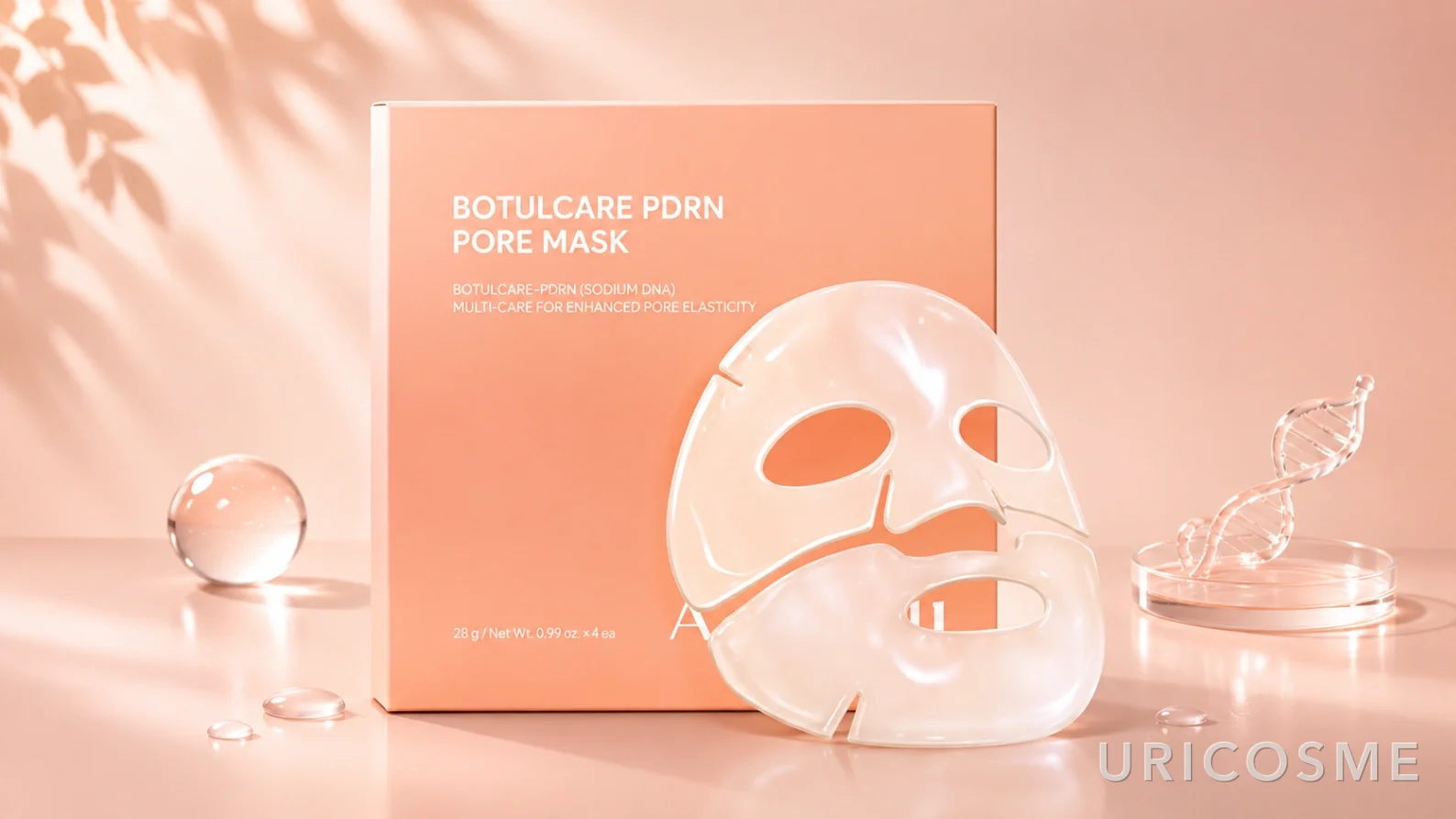

Related journal
Product Guide • 2026-11-13
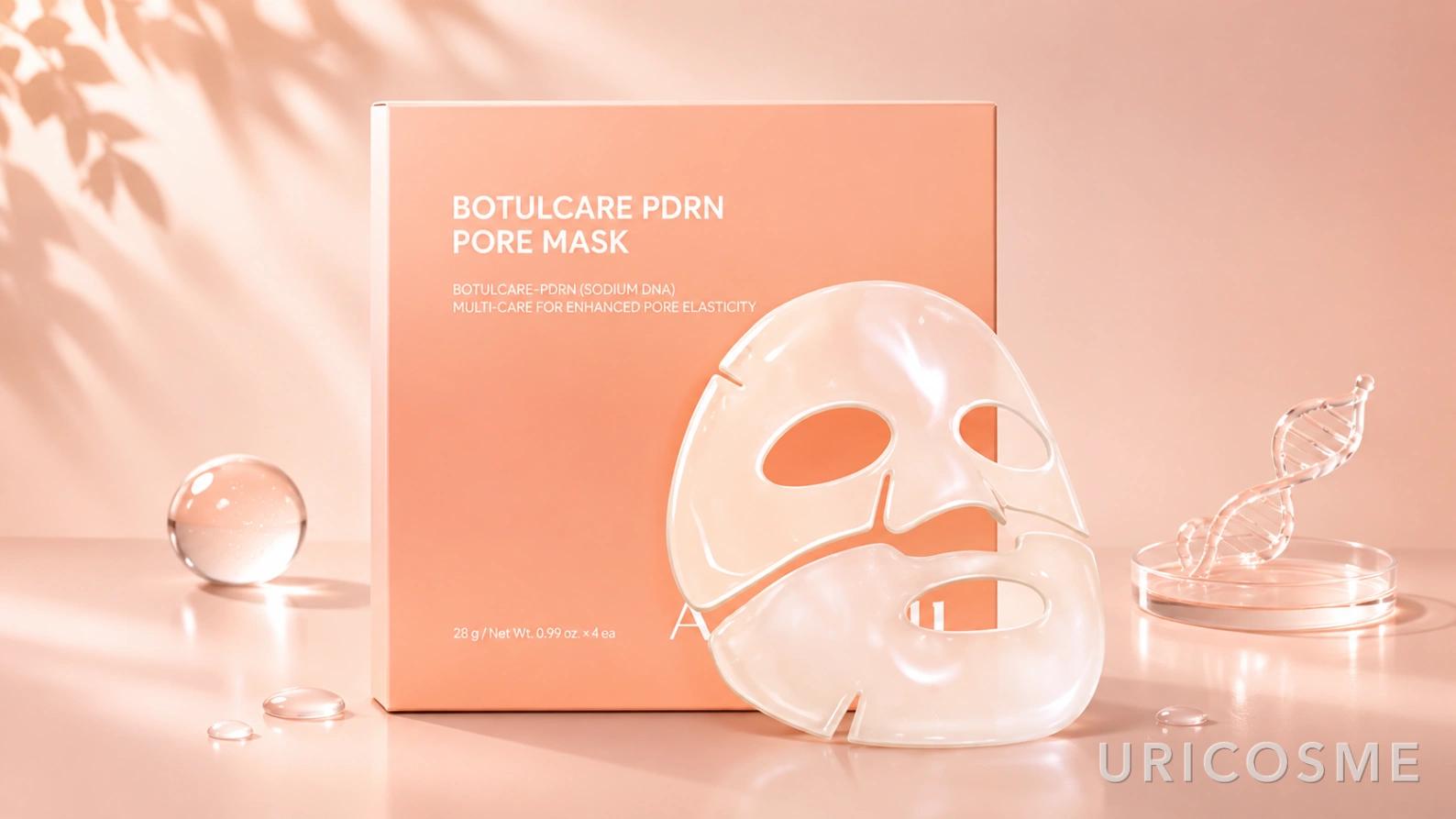
Arocell Botulcare PDRN Pore Mask: Which Way Does the Grid Side Face?
Product Guide • 2026-10-26
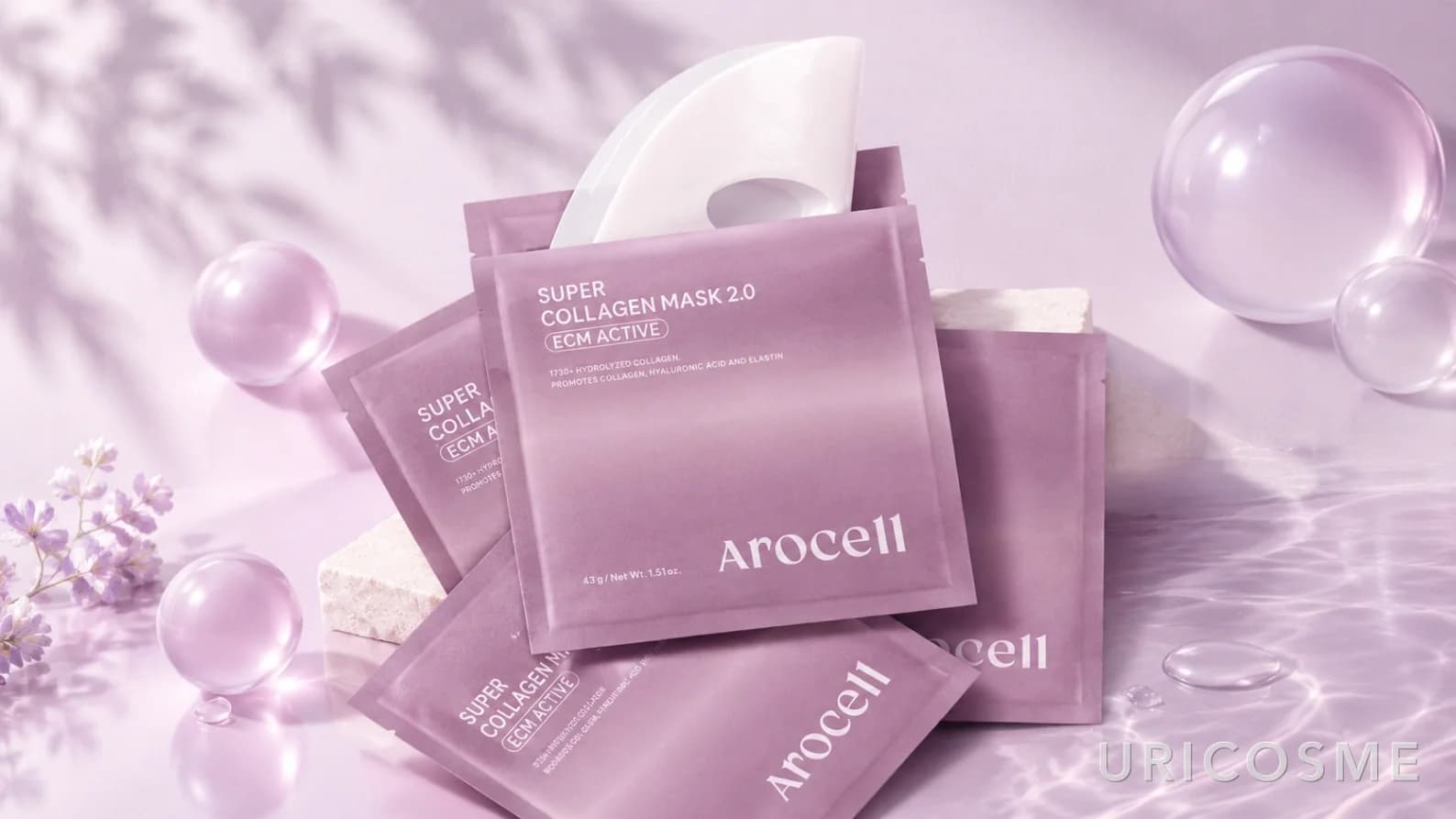
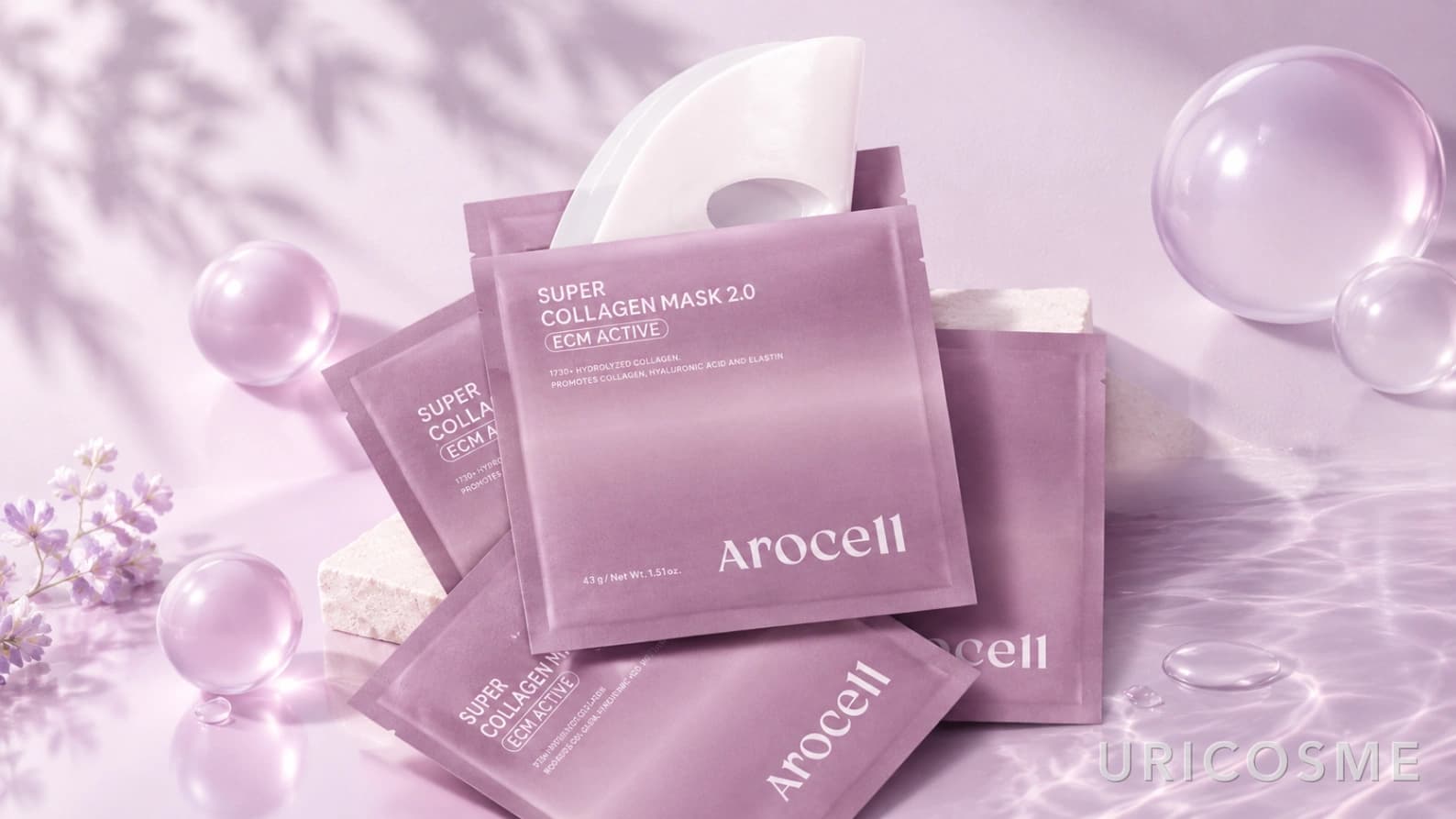
AROCELL Super Collagen Mask 2.0: Wear Time, Ingredients and How to Use It
Product Guide • 2026-10-20
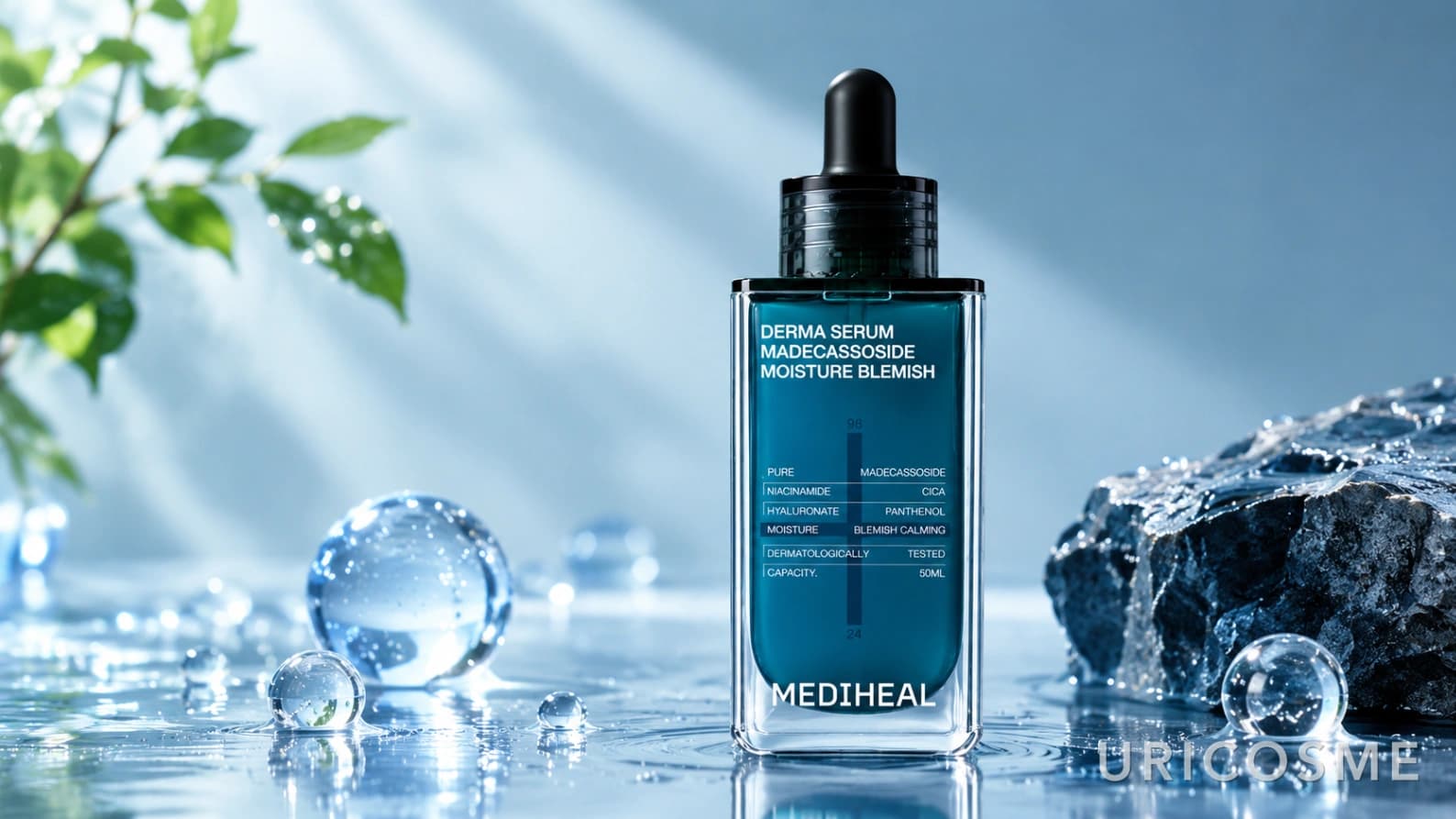
MEDIHEAL Madecassoside Derma Serum: Hydration, Post-Blemish Care and How to Use It
Product Guide • 2026-10-13