What it is
Tranexamic acid was developed as a drug to stop bleeding, but observations that patients' melasma faded led to research as a tone ingredient. It blocks the signal (the plasmin pathway) by which UV prompts keratinocytes to stimulate melanin production, a different approach from direct tyrosinase inhibitors.
Japan approves it as a quasi-drug active for whitening and for anti-inflammatory (rough skin prevention) claims. In Korea it is not a listed functional ingredient and appears as a general cosmetic ingredient in 43 products, in melasma serums and brightening ampoules alongside niacinamide.
Role in cosmetics
Melasma and tone
It reduces the signals by which UV and inflammation stimulate melanin production, so it is used for melasma and post-sun pigmentation. Its low irritation suits daily brightening serums.
Anti-inflammatory and redness
Approved in Japan as an anti-inflammatory active too, it is formulated for pigmentation with redness and for post-acne marks.
Evidence and scope
Several randomized controlled studies show topical tranexamic acid at 2 to 5 percent improving melasma, some finding effects similar to hydroquinone with less irritation. Oral tranexamic acid is a drug used for melasma; topical products are gentler but count among the better-evidenced tone ingredients.
Classification in Korea and Japan
| Korea · Functional cosmetics | Japan · Quasi-drug | |
|---|---|---|
| Listed name | 트라넥삼산 | トラネキサム酸 |
| Category | Not applicable | Whitening · Anti-inflammatory |
| Concentration | — | Set per approved formula |
Concentration and formulation
2 to 5 percent is typical, and Japanese medicated cosmetics use 1 to 2 percent as the active. Water-soluble and stable, it fits toners and serums and tolerates pH and heat. Many products combine it with niacinamide or azelaic acid.
Cautions
Irritation and allergy are rare, making it a brightening option for sensitive skin. Topical absorption is very low, but those with a history of blood clots should consult a clinician before long-term high-strength use. Sunscreen is needed to maintain results.
Similar ingredients
| NiacinamideNiacinamide | Niacinamide slows melanin transfer while tranexamic acid reduces production signals, different steps. Many melasma serums combine both, and both are low in irritation. |
| Vitamin CAscorbic Acid | Vitamin C inhibits the producing enzyme and adds antioxidant activity but is unstable and irritating. Tranexamic acid is stable and gentle, easier for daily use. |
Frequently asked questions
Does topical tranexamic acid fade melasma?+−
Several studies show melasma fading with 2 to 5 percent products used consistently for 8 to 12 weeks or more. Sunscreen is needed to hold the result.
It is a hemostatic drug, so is it safe on skin?+−
Topical absorption is very low, so it has no hemostatic effect. Those with a clotting history should consult a clinician to be safe.
Why is there no functional claim in Korea?+−
It is not on Korea's list of brightening functional ingredients. Japan approves it as a whitening and anti-inflammatory active.
Sources and review date
- 医薬部外品 承認有効成分: トラネキサム酸 (美白・抗炎症)厚生労働省 · 2024
- Topical tranexamic acid 기미 임상 연구 리뷰 (PubMed 검색)PubMed · 2024
Last reviewed 2026.09.23 · Next review 2027.03.23
Related products
View all products →


Related journal
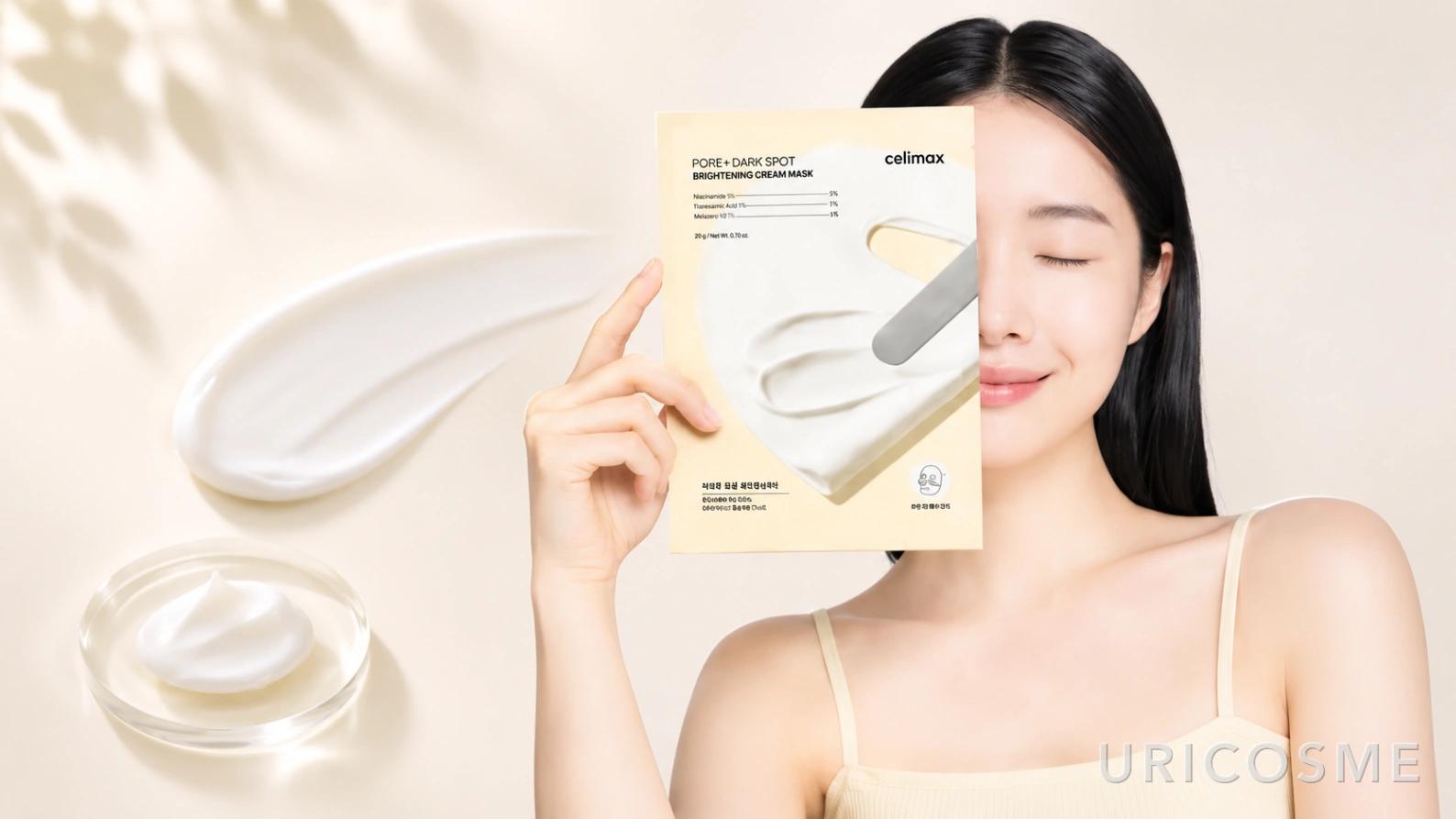
Product Guide • 2026-11-12
Celimax Pore+Dark Spot Brightening Cream Mask: Which Half Goes on First?
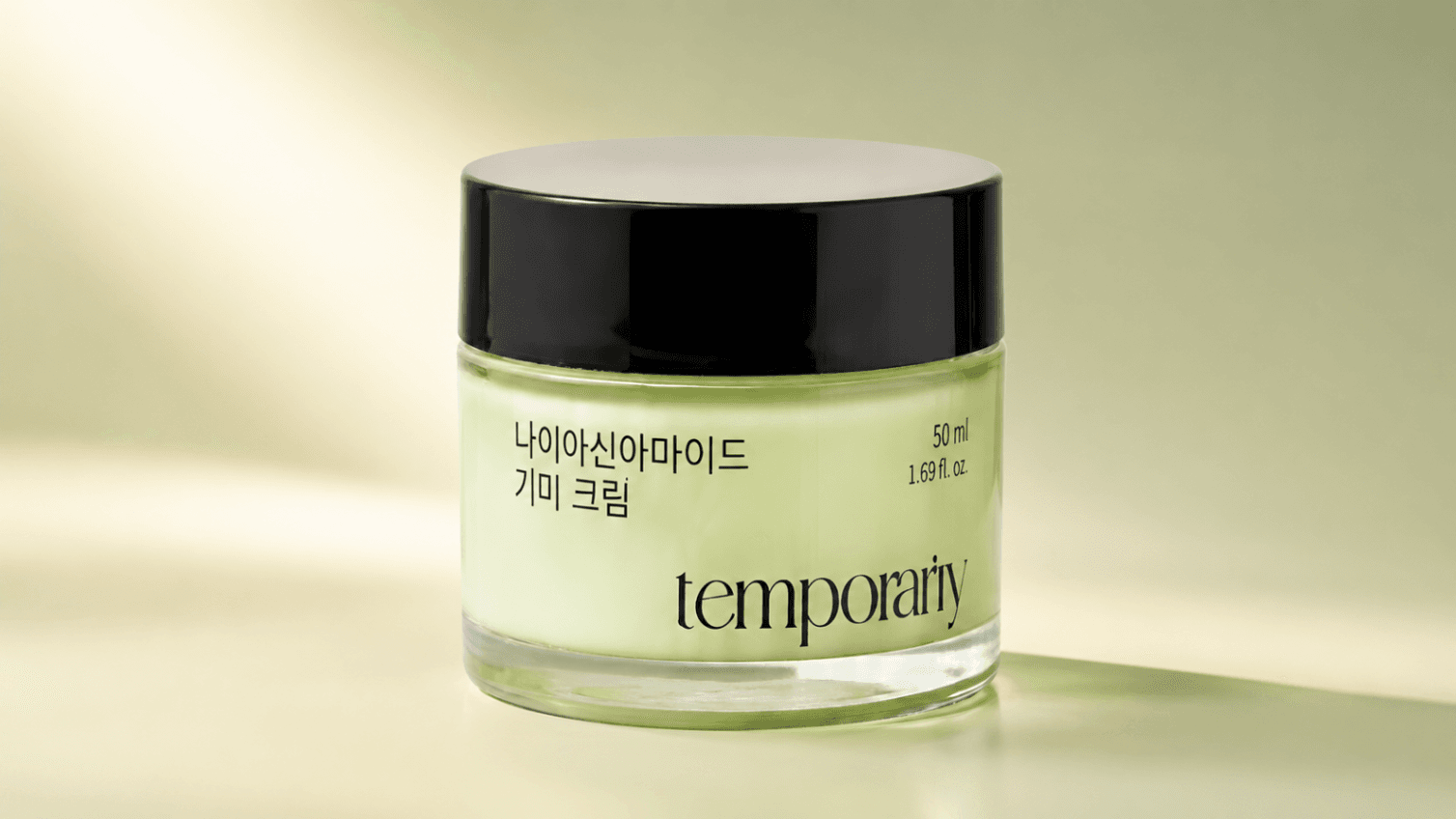
Product Guide • 2026-07-05
Hamikbyung Gimiwon Cream: What to Check Before Buying
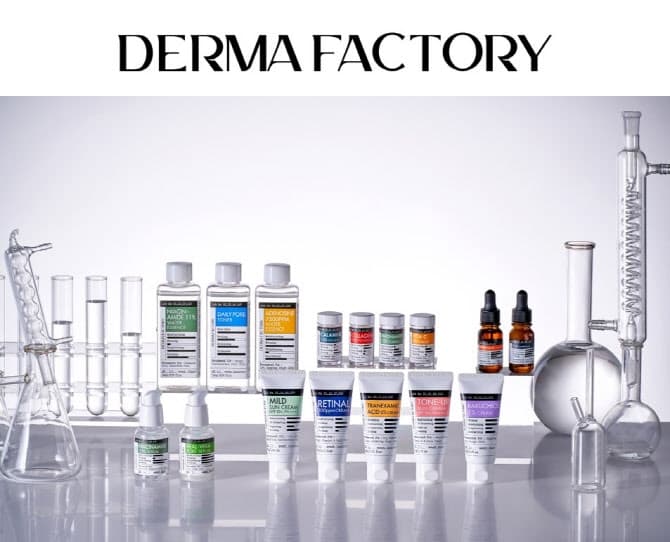
Product Guide • 2026-06-29
Ingredient Percentages on the Label: Top 4 DERMA FACTORY Products
Product Guide • 2026-05-08