What it is
Ascorbic acid is unmodified vitamin C. It acts without conversion in skin but is highly sensitive to light, air and heat, browning quickly and staying stable only below pH 3.5. Products therefore use airless packaging, powders or anhydrous bases, or switch to stabilized derivatives.
Sodium ascorbyl phosphate (SAP) and 3-O-ethyl ascorbic acid on labels are derivatives with a phosphate or ethyl group attached for stability; skin converts them back to vitamin C. Since the role is shared, this dictionary lists them together. 3-O-ethyl ascorbic acid is an approved whitening active in Japan.
Role in cosmetics
Antioxidant defense
It neutralizes free radicals from UV and pollution and regenerates oxidized vitamin E. A morning vitamin C serum under sunscreen targets this supporting photoprotection.
Evening tone
It inhibits tyrosinase, the melanin-producing enzyme, so it is used for hyperpigmentation and dullness. Among derivatives, 3-O-ethyl ascorbic acid is a Japanese whitening active.
Supporting collagen synthesis
Vitamin C is a cofactor for collagen synthesis, so it also appears in fine-line research. Products with over 10 percent pure form lead with this claim.
Evidence and scope
Several human studies show pure vitamin C at 10 to 20 percent reduces photodamage and hyperpigmentation and improves fine lines, and combining it with vitamin E and ferulic acid is widely cited for stronger photoprotection. Derivatives are more stable but convert to vitamin C at lower rates, so their effect is considered gentler than the pure form at equal concentration.
Classification in Korea and Japan
| Korea · Functional cosmetics | Japan · Quasi-drug | |
|---|---|---|
| Listed name | 비타민 C | 3-O-エチルアスコルビン酸 |
| Category | Not applicable | Whitening |
| Concentration | — | Set per approved formula |
Concentration and formulation
Pure vitamin C runs 5 to 20 percent, derivatives 1 to 5 percent. The pure form needs an acidic base below pH 3.5 that can sting, and a brown color means oxidation, so replace it. Derivatives are stable at neutral pH, gentler, and easy to add to toners and creams.
Cautions
High-strength pure vitamin C commonly stings and causes flushing; sensitive skin should start under 5 percent or with a derivative. Browned products lose potency and can stain skin. Current evidence supports using it alongside niacinamide.
Similar ingredients
| NiacinamideNiacinamide | Niacinamide slows melanin transfer while vitamin C inhibits melanin production, so they act at different steps. Niacinamide is more stable and gentler for daily use; vitamin C excels at antioxidant support. |
| TocopherolTocopherol | Tocopherol is oil-soluble and vitamin C water-soluble; they regenerate each other and photoprotection rises when combined. The vitamin C, E and ferulic acid trio is the classic example. |
Frequently asked questions
My vitamin C serum turned brown. Can I still use it?+−
It has oxidized, so potency drops sharply and it can tint skin yellow. Replace it and choose airless packaging.
Pure vitamin C or a derivative?+−
If you tolerate irritation and want faster results, pure; if you have sensitive skin or value stability, a derivative. Derivatives are gentler and easier for daily use.
Morning or evening?+−
For antioxidant and photoprotection support, morning under sunscreen is how studies used it. If it irritates, evening use is fine.
Sources and review date
- 医薬部外品 承認有効成分: 3-O-エチルアスコルビン酸 (美白)厚生労働省 · 2024
- Safety Assessment of Ascorbic Acid, Ascorbyl Phosphates and Related IngredientsCosmetic Ingredient Review · 2017
Last reviewed 2026.09.23 · Next review 2027.03.23
Related products
View all products →


Related journal
Product Guide • 2026-11-06
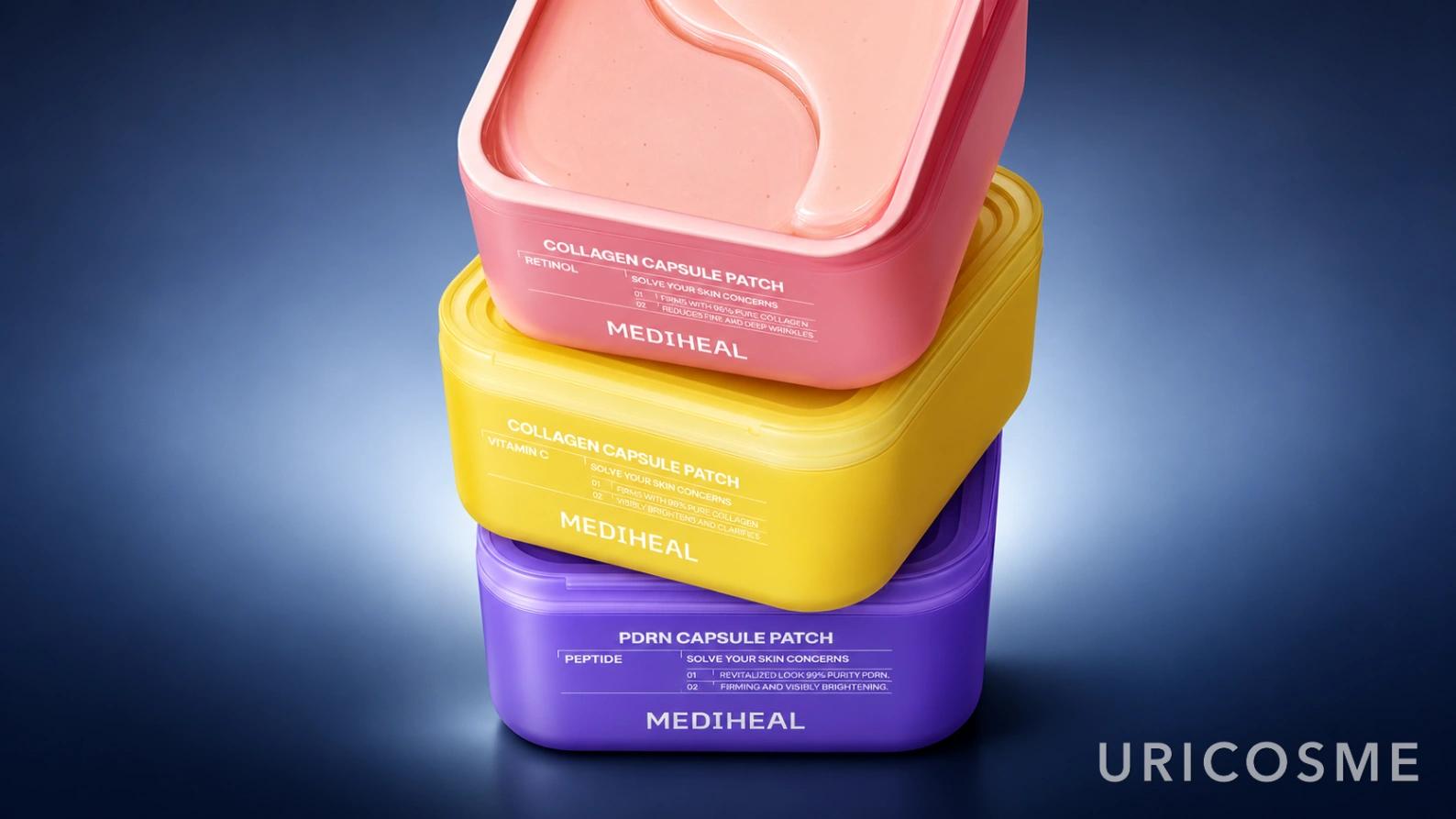
MEDIHEAL Collagen Capsule Patch: Retinol, Vitamin C or PDRN?
Product Guide • 2026-11-03
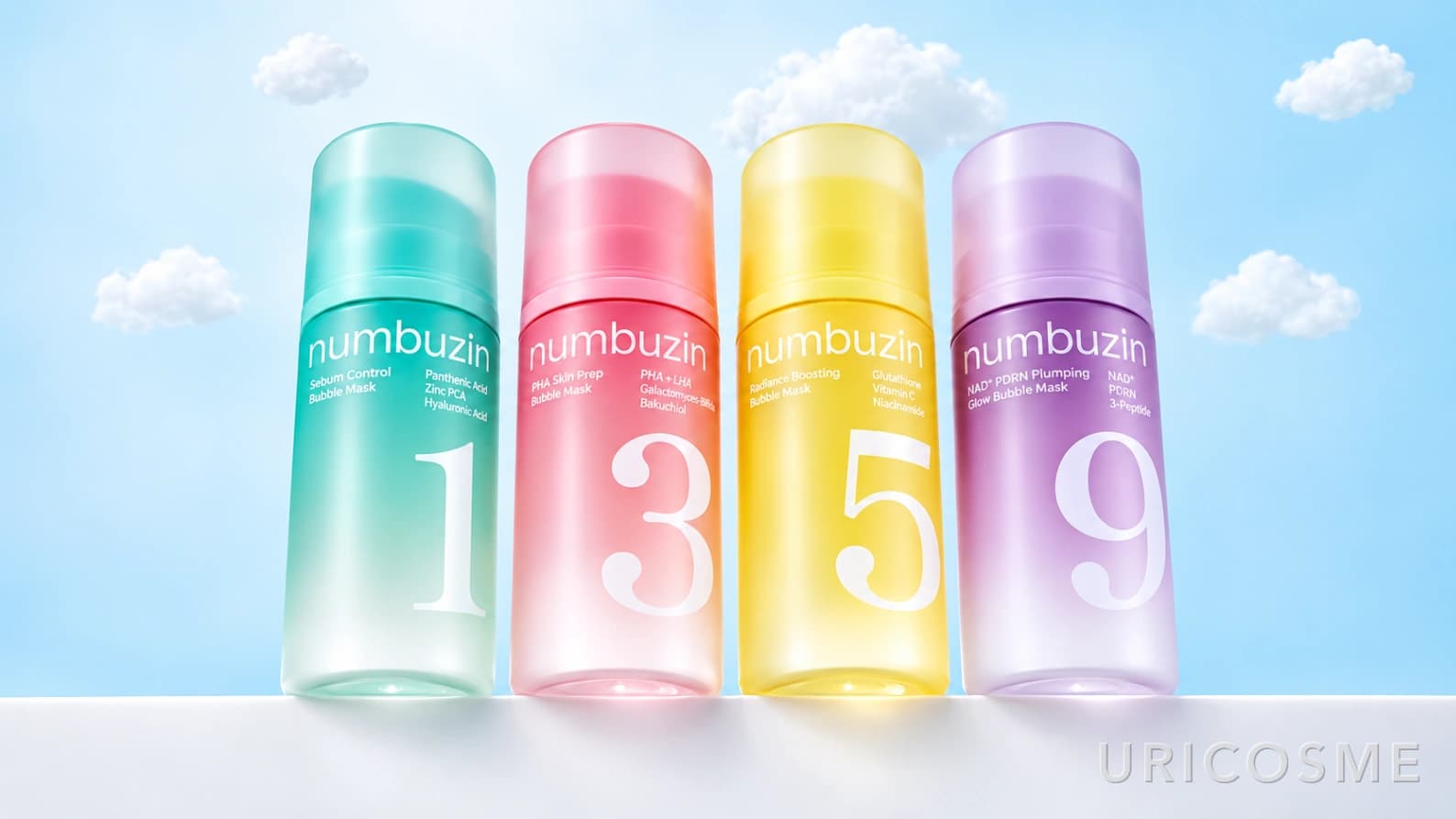
numbuzin Prep Bubble Masks No.1, 3, 5 and 9: How to Choose for Your Skin
Product Guide • 2026-10-28
GASH Bubble Masks: How to Use Them Without Rinsing and Choose Between Four Types

Product Guide • 2026-10-27