What it is
Niacinamide, also called nicotinamide, is water-soluble vitamin B3. It dissolves easily, tolerates heat and light, and appears in everything from toners to creams. It is the most common brightening functional ingredient in Korean cosmetics.
It is one of the rare ingredients studied in several directions at once. Beyond tone, research covers barrier lipid synthesis, sebum output, pore appearance and irritation relief, which is why it shows up in acne, pore and soothing products as well as brightening lines.
Role in cosmetics
Evening tone (brightening functional)
Rather than reducing melanin itself, it slows the step where melanin transfers into keratinocytes. Korea recognizes it as a brightening functional ingredient at 2 to 5 percent, and Japan approves it as a whitening active under the name nicotinamide.
Barrier and sebum
Studies show it supports synthesis of barrier lipids including ceramides and lowers transepidermal water loss. Other work reports reduced sebum output and less visible pores, so it is common in products for oily and acne-prone skin.
Wrinkle improvement
Japan has also approved nicotinamide as an anti-wrinkle active since 2016. It is not a listed anti-wrinkle ingredient in Korea, so Korean products label it for brightening only.
Evidence and scope
Niacinamide has multiple randomized controlled studies in humans. A 5 percent product improved hyperpigmentation, fine lines and uneven tone after 8 to 12 weeks; a 2 percent product reduced sebum; other studies showed increased ceramide synthesis and lower transepidermal water loss. Most measured results over 4 to 12 weeks, and effects fade gradually once use stops.
Classification in Korea and Japan
| Korea · Functional cosmetics | Japan · Quasi-drug | |
|---|---|---|
| Listed name | 나이아신아마이드 | ニコチン酸アミド |
| Category | Whitening | Whitening · Anti-wrinkle |
| Concentration | 2~5% | Set per approved formula |
Concentration and formulation
The Korean functional claim uses 2 to 5 percent, and general cosmetics range from 1 to 10 percent. Evidence that levels above 10 percent work better is thin, while irritation reports increase. It is water-soluble, easy to formulate in toners and serums, and stable at pH 5 to 7. Near the top of the list it is there for function; near the end it is a supporting amount.
Cautions
Some people feel temporary flushing or warmth with high-strength products. This usually comes from trace nicotinic acid in the raw material and disappears at lower concentrations. The idea that it cannot be used with vitamin C is outdated; many current products combine the two.
Similar ingredients
| Tranexamic AcidTranexamic Acid | Tranexamic acid also evens tone but works by reducing signals that trigger melanin production. Because niacinamide acts at a different step, slowing melanin transfer, the two are often combined. |
| Vitamin CAscorbic Acid | Vitamin C inhibits the melanin-producing enzyme and adds antioxidant activity. It is less stable and more irritating than niacinamide, so gentle daily care tends to start with niacinamide. |
Frequently asked questions
Is 10 percent niacinamide twice as effective as 5 percent?+−
No. Most clinical work used 2 to 5 percent, and there is little evidence that effect scales above 10 percent, while irritation reports rise with concentration.
Can I use it with vitamin C?+−
Yes. The concern about the two reacting to form nicotinic acid applies to prolonged high heat, not real product conditions, and many products combine them.
How long until tone changes show?+−
Studies generally measured pigmentation changes around 8 weeks. Daily use plus sun protection is needed to keep the result.
Sources and review date
- 기능성화장품 기준 및 시험방법 (식약처 고시): 나이아신아마이드식품의약품안전처 · 2024
- 医薬部外品 承認有効成分: ニコチン酸アミド (美白・シワ改善)厚生労働省 · 2024
- Safety Assessment of Niacinamide and Niacin as Used in CosmeticsCosmetic Ingredient Review · 2005
Last reviewed 2026.09.23 · Next review 2027.03.23
Related products
View all products →
Related journal
Product Guide • 2026-11-12
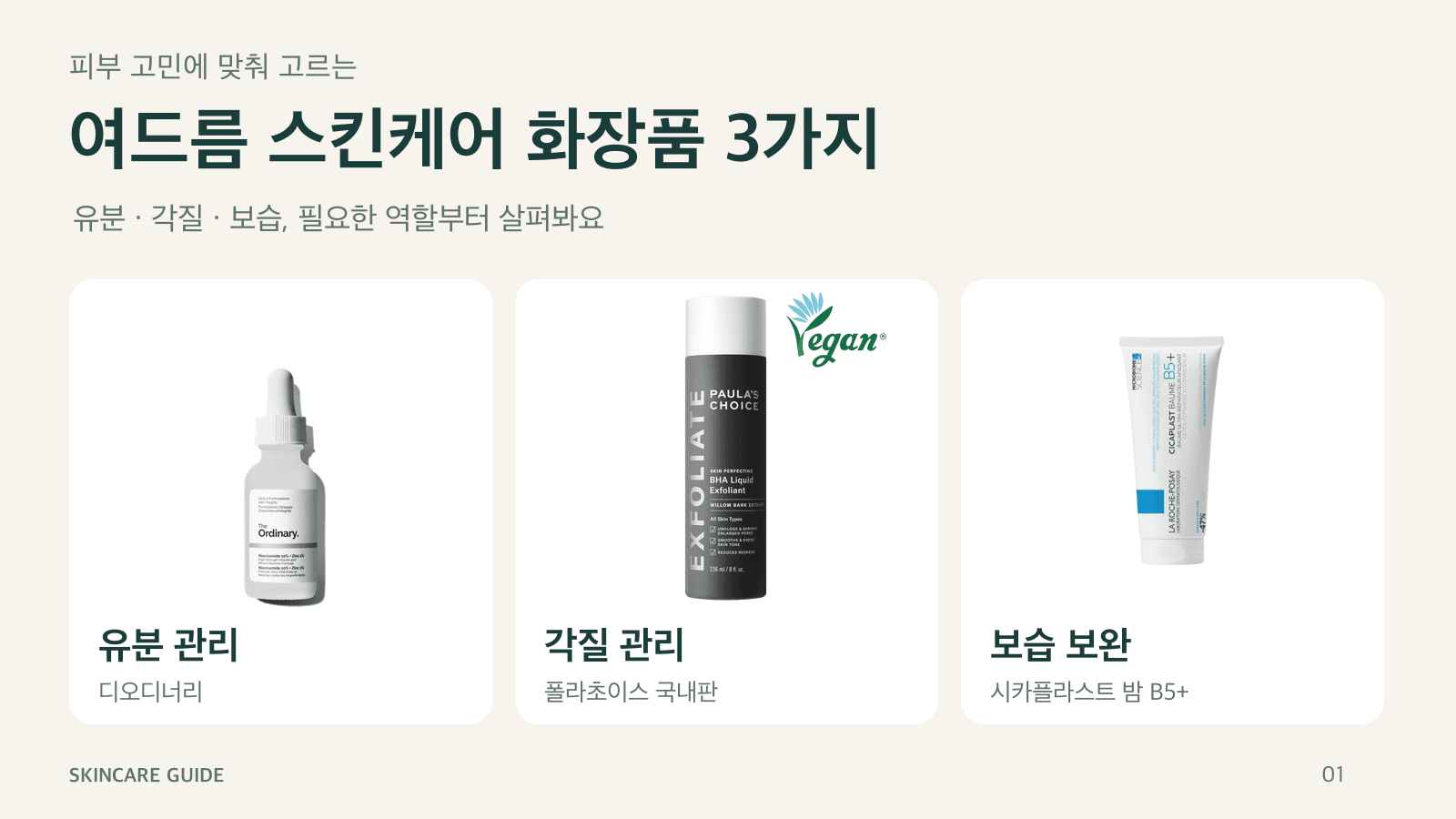
3 Skincare Picks for Acne-Prone Skin: Clogged Pores, Oiliness and Dryness
Product Guide • 2026-11-12
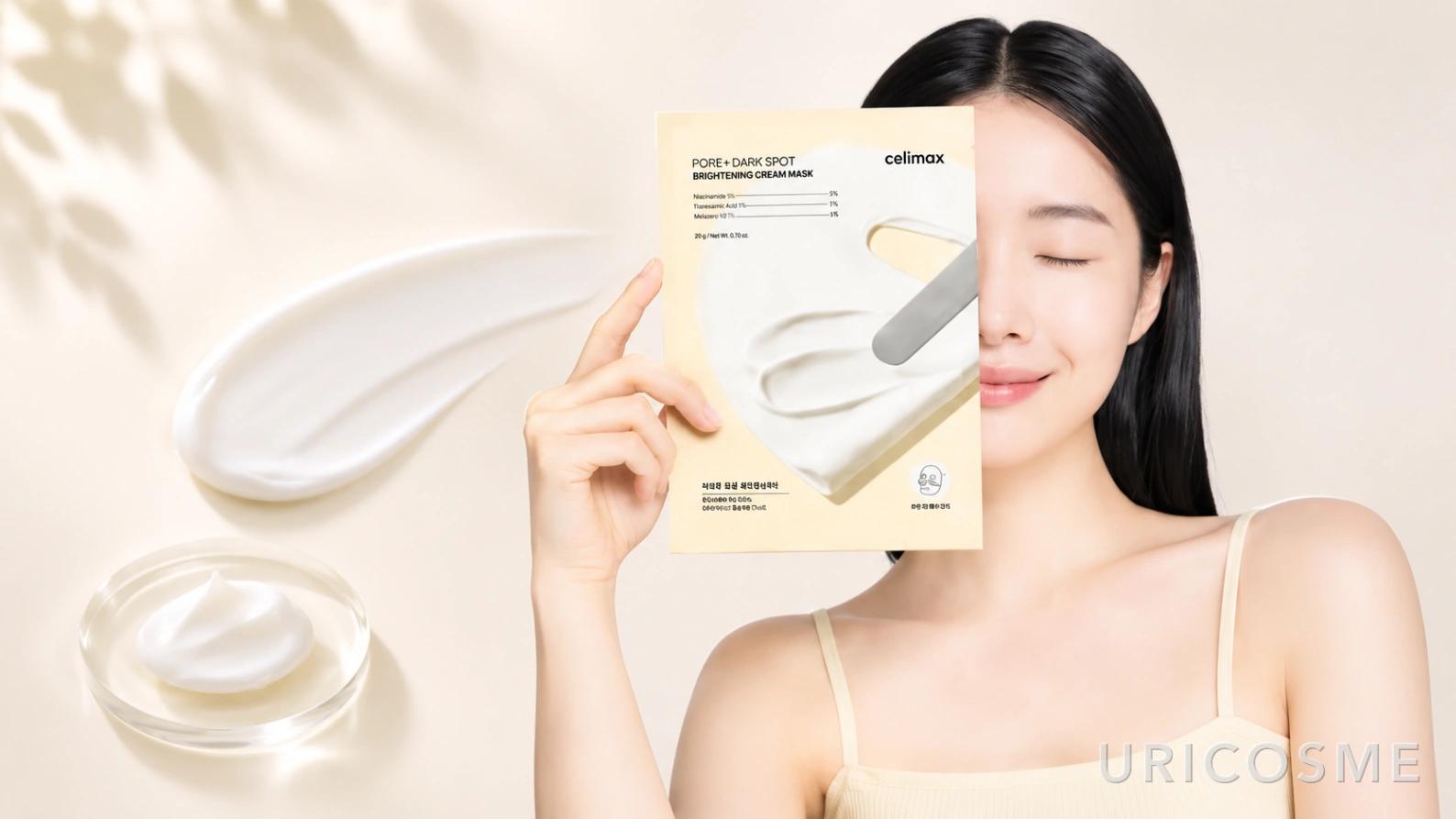
Celimax Pore+Dark Spot Brightening Cream Mask: Which Half Goes on First?
Product Guide • 2026-11-06
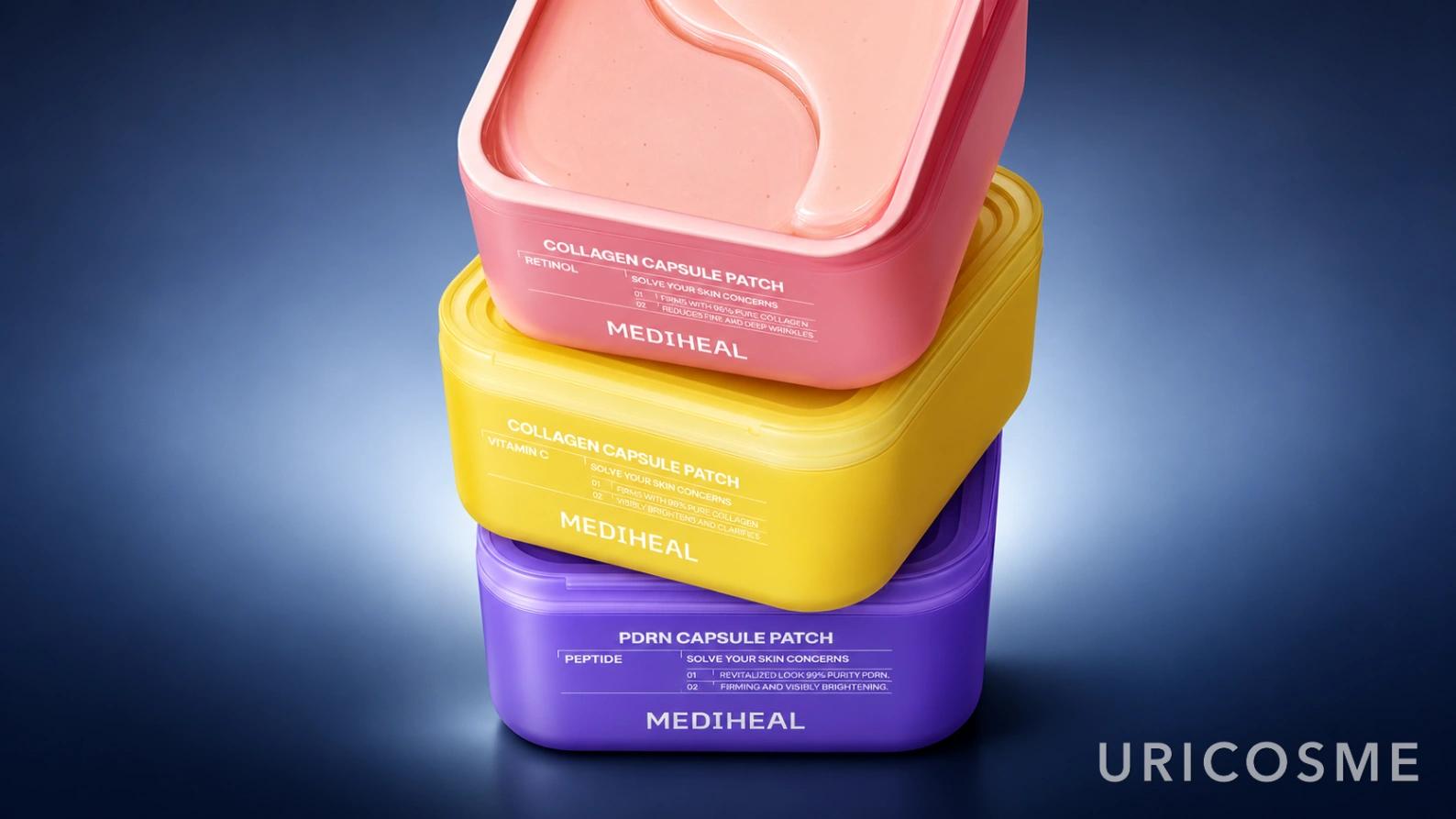
MEDIHEAL Collagen Capsule Patch: Retinol, Vitamin C or PDRN?
Product Guide • 2026-11-03