Anti-Aging Skincare at Olive Young: How to Choose Sunscreen, Retinoids and More
By URITRIP

When fine lines start to bother you and dark spots seem more noticeable, searching Olive Young for anti-aging skincare can quickly turn into an overflowing cart. Sunscreen, retinol, vitamin C, dark-spot serums and barrier creams can all feel essential. If you are just getting started, try building a daily routine around sunscreen and moisturizer, then adding one targeted product for your main concern. Layering several products simply because they contain promising ingredients may be more than your skin can comfortably tolerate.
When choosing a product, consider the change you want to see, the evidence behind that expectation and whether you can keep using it in everyday life. An expensive, potent formula loses much of its value if stinging makes you stop using it. And if you already have basic products that feel comfortable on your skin, starting an anti-aging routine does not mean replacing everything.
Choose anti-aging skincare at Olive Young by the concern you want to address
Products grouped under “anti-aging” do not all address the same issue. It helps to separate preventing further UV damage, moisturizing to soften the appearance of dryness-related lines, and caring for uneven texture or pigmentation.
| Your first priority | Product category to consider | An example to compare |
|---|---|---|
| Everyday UV exposure | Sunscreen | La Roche-Posay UVidea Anthelios Melt-in Cream |
| Dryness and insufficient moisture | Barrier moisturizer | AESTURA ATOBARRIER365 Cream |
| Fine lines and uneven texture | Retinoid | The Ordinary Granactive Retinoid 2% Emulsion |
| Dullness and uneven skin tone | Vitamin C serum | COSRX Advanced The Vitamin C 23 Serum |
| Noticeable pigmentation | Pigmentation-focused serum | Eucerin Thiamidol Booster Serum |
This table is neither a ranking by potency nor a list of products everyone needs to buy. Even products aimed at the same concern can have different ingredients and usage requirements. Check the exact product name and full ingredient list rather than choosing by brand alone.
Sunscreen comes first because of future damage, not instant wrinkle correction

Being told to start with sunscreen may feel underwhelming when wrinkles are your main concern. But adding a wrinkle serum while leaving ongoing sun exposure unaddressed leaves an important gap in your routine. Sun protection matters because it helps reduce additional sun damage, rather than immediately smoothing existing wrinkles.
The American Academy of Dermatology recommends looking for broad-spectrum protection against both UVA and UVB, SPF 30 or higher, and water resistance. When outdoors, reapply about every two hours, and again after swimming or sweating. A high protection rating can make it tempting to assume that one application will last all day, but how much you apply and when you reapply matter too.
If dryness makes sunscreen uncomfortable to wear, La Roche-Posay UVidea Anthelios Melt-in Cream is one option to compare. The official product description presents it as a moisturizing SPF50+ PA++++ sunscreen for dry, rough skin. However, “moisturizing” does not guarantee that everyone will find it non-greasy or free of eye sting.
After checking the protection rating, consider whether the sunscreen still feels wearable when you apply enough. Pilling under makeup and the effort of reapplying are practical selection criteria too. For extended time outdoors, use a hat and seek shade as well. If you need sunscreen for swimming, check the specific product’s water-resistance labeling separately.
Think about dryness first when considering AESTURA ATOBARRIER365 Cream

If your skin feels tight after cleansing and fine lines look more noticeable, check your moisturizing routine before adding another active serum. Moisturizing helps skin retain water and can make some fine lines less prominent. Keep that effect separate from expectations of improving deep wrinkles or sagging itself.
AESTURA ATOBARRIER365 Cream is a product to consider primarily for moisture and barrier care for dry, sensitive skin. Its official description and ingredient list identify ceramides, cholesterol and fatty acid ingredients. That composition and the product’s main purpose offer a clearer reason to buy than elaborate anti-aging claims.
The reason to consider a barrier cream here is not that it will automatically eliminate retinoid irritation. Moisturizer helps manage underlying dryness and keep skin comfortable. If burning or redness persists even with moisturizer, stop using the irritating product and assess your skin rather than layering on more potentially irritating formulas.
If you already have a moisturizer that works well for you, it is fine to keep using it. If your skin becomes shiny easily or rich creams feel heavy, compare textures and application amounts too. An anti-aging routine does not depend on using one particular brand’s cream.
The Ordinary’s 2% retinoid is not the same as 2% retinol

If you already moisturize and use sunscreen but fine lines or texture remain a concern, you might consider a retinoid. “Retinoids” is an umbrella term for vitamin A-related ingredients, and retinol is one member of that group. Similar names do not mean identical ingredients or formulas, so percentages alone cannot tell you how their strength compares.
The “2%” in The Ordinary Granactive Retinoid 2% Emulsion should not be read as its concentration of pure retinol. Its official ingredient list includes both hydroxypinacolone retinoate and retinol. That is why you cannot place it next to a 0.1% or 0.5% retinol product and calculate how many times stronger it is. General evidence for retinoids should not be stretched into a claim that this product delivers the same results as every prescription retinoid, either.
The brand advises using a small amount in the evening and avoiding use with other retinoid products. It also specifies refrigeration after opening and use within three months. Alongside the purchase price, consider whether you can follow those storage and usage requirements.
Rather than committing to daily use from the outset, start less frequently and adjust according to your skin’s response. If your skin is already very dry or red, address its condition first. You do not need to endure stinging or peeling as proof that a product is working. The brand advises avoiding retinoid skincare, including this product, during pregnancy and breastfeeding; discuss other options with a healthcare professional.
With COSRX Vitamin C 23 Serum, usage requirements matter more than a high percentage
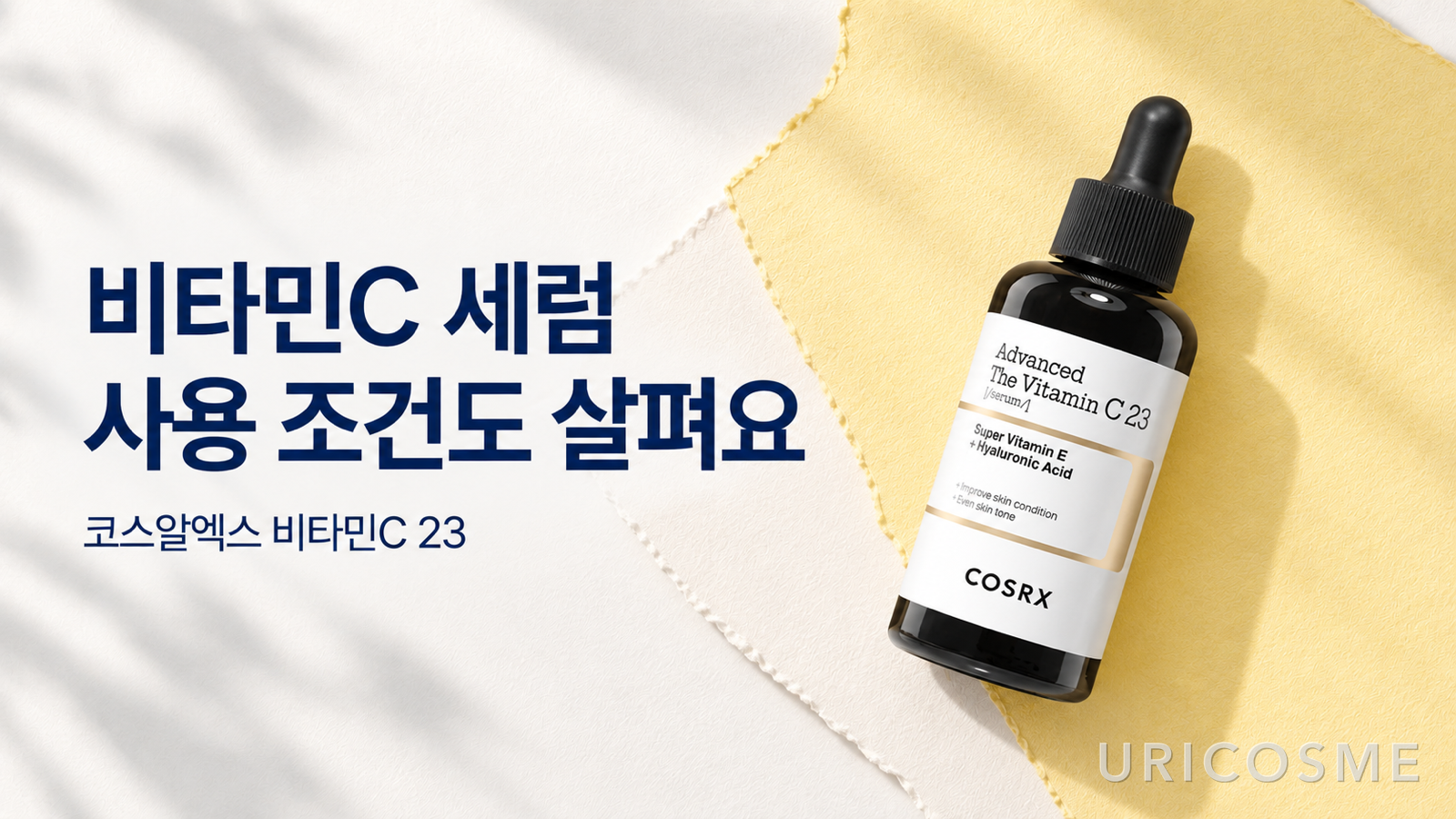
If dullness and uneven tone matter more to you than fine lines, a vitamin C serum may be worth considering. COSRX Advanced The Vitamin C 23 Serum contains 23% ascorbic acid. Its name resembles the earlier “The Vitamin C 23 Serum,” so check the “Advanced” designation, ingredient list and bottle size before buying.
A high concentration does not automatically make it the best choice for a beginner. The brand also describes experienced vitamin C users as its main audience. If many skincare products make your skin sting, finding a formula you can tolerate matters more than increasing the percentage.
The official instructions say to use this product within two months of opening. If you plan to use it only occasionally, whether you can finish one bottle within that period is a more practical consideration than a multipack discount. Opening several serums at once can also make it harder to tell which one suits you.
Check the products you intend to use alongside it. COSRX recommends separating high-concentration vitamin C and potent actives such as retinol into morning and evening routines. The Ordinary also advises against using its retinoid product at the same time as pure vitamin C. If you choose both, you could separate them into vitamin C in the morning and a retinoid at night, but there is no need to introduce both at once. Morning vitamin C does not replace sunscreen.
Consider a Thiamidol serum when pigmentation is a clear priority
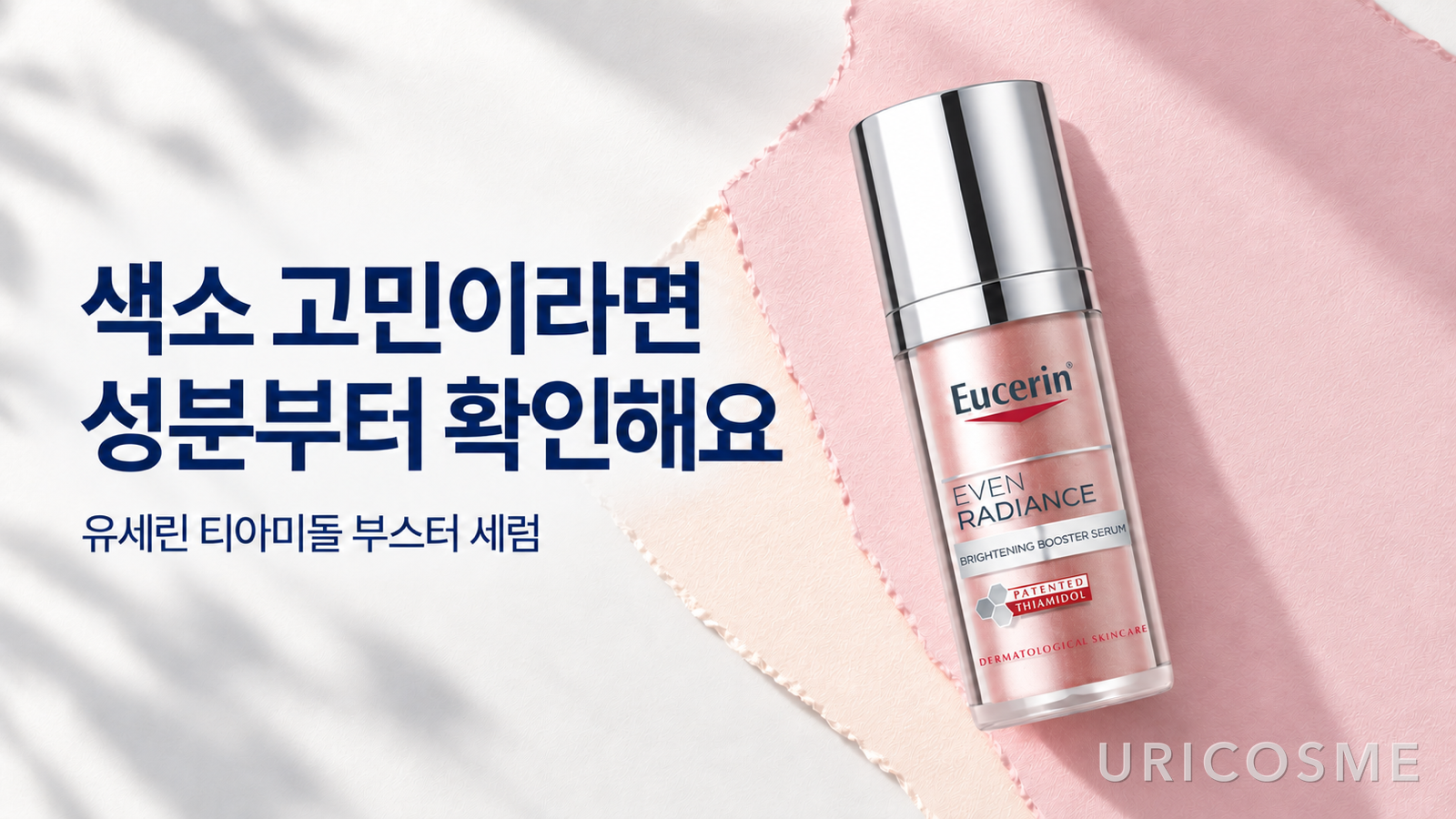
If specific areas of pigmentation bother you more than overall dullness, you can compare products designed for that purpose. Eucerin Thiamidol Booster Serum is one candidate. Eucerin describes its patented ingredient Thiamidol as acting on melanin production to help address pigmentation concerns.
Pay close attention to product names. “Spotless Brightening Booster Serum” is used in overseas markets, while Olive Young in Korea has listings labeled “Thiamidol Booster Serum” and “Even Radiance Brightening Booster Serum.” Similar names do not mean that all formulas, including overseas Anti-Pigment products, are identical. Base your choice on the ingredients and instructions of the exact product you will buy.
When shopping for skincare, avoid assuming that every brown mark on your face is the same type of melasma. The appropriate approach can differ depending on the cause of the pigmentation and your skin’s condition. If the affected area is spreading or the concern persists, a clinical assessment may be more helpful than continually adding products.
Do not increase frequency on the assumption that more applications will produce better results. Official guidance in overseas markets limits Thiamidol-containing products to a maximum of four applications in total per day when using multiple products containing the ingredient. This is a ceiling, not a target, and the instructions for the individual product you purchased take priority. It is also a reason to check for overlapping ingredients before pairing a serum and cream from the same range.
A pigmentation serum does not replace sun protection. As you become more interested in managing dark spots or melasma, review your daytime sun-protection habits alongside any decision to add a new serum.
Add one targeted step to your morning or evening routine
If you are starting out, keep mornings simple with moisturizer and sunscreen, and evenings with cleansing followed by moisturizer. Once that basic routine feels comfortable, add one product for your main concern. Follow the formula and manufacturer’s guidance for application order, keeping morning sunscreen as the final step of your skincare routine.
For example, if texture and fine lines come first, consider a retinoid in your evening routine. If tone is your priority, consider morning vitamin C. You do not need to fill every slot with a pigmentation product as well. Introducing products one at a time also makes it easier to trace what changed if redness or stinging develops.
The time needed to assess results varies by product. Lines that look softer immediately after moisturizing cannot be judged on the same timeline as texture changes over several weeks. Instead of increasing concentration or the amount applied after only a few days without visible results, record your skin under consistent lighting and review whether you have followed the instructions. Irritation, however, is not something to endure indefinitely while waiting.
When editing your cart, write one problem you want each product to address next to its name. Reduce serums with overlapping purposes and fill any gaps in basic care first. Choosing a product with a clear role for your skin that you can comfortably keep using gives you a much clearer reason to include it in an anti-aging routine.