What it is
Allantoin occurs in plants such as comfrey root, but cosmetic allantoin is synthesized from urea. It is a white crystalline powder with limited water solubility, so concentrations stay low, mostly 0.1 to 0.5 percent.
In Korean soothing products it often appears with panthenol and centella extract. In Japan it is an approved quasi-drug active for anti-inflammatory (rough skin prevention) claims and is common in medicated cosmetics, lip balms and hand creams. Aftershave, baby care and post-procedure products have used it for decades.
Role in cosmetics
Softening and calming
It softens keratin in the stratum corneum to smooth rough texture and calms redness in irritated skin. It suits products used after peeling or shaving, when the surface has taken physical stress.
Supporting other soothing agents
It is rarely the star ingredient; more often it joins panthenol, bisabolol and centella to lower the overall irritation of a formula. Most soothing lines carry it in small amounts near the end of the list.
Evidence and scope
As a long-established ingredient, allantoin's literature is dominated by safety assessments and wound-healing work rather than recent large clinical trials. Japan's approval as an anti-inflammatory active rests on rough-skin prevention testing, and CosIng registers it for skin conditioning and soothing. Animal studies suggest it supports wound healing, but human data at cosmetic concentrations are limited.
Classification in Korea and Japan
| Korea · Functional cosmetics | Japan · Quasi-drug | |
|---|---|---|
| Listed name | 알란토인 | アラントイン |
| Category | Not applicable | Anti-inflammatory |
| Concentration | — | Set per approved formula |
Concentration and formulation
0.1 to 0.5 percent is typical, and poor water solubility makes levels above 1 percent impractical. Japanese medicated cosmetics commonly use 0.1 to 0.2 percent as the active. Water-based formulas dissolve it with heat; creams and balms disperse it.
Cautions
Irritation and allergy are rare, so it is widely used in baby and sensitive-skin products. Its effect is gentle and supportive, so judge a soothing product by the full ingredient list rather than this one component.
Similar ingredients
| PanthenolPanthenol (Vitamin B5) | Panthenol leans toward holding water and barrier recovery, while allantoin softens keratin and reduces irritation. Most Korean soothing products include both. |
| BisabololBisabolol | Bisabolol is an oil-soluble soothing agent from chamomile with more anti-inflammatory research behind it. Formulas often pair water-soluble allantoin with oil-soluble bisabolol to cover both phases. |
Frequently asked questions
Is allantoin a plant ingredient?+−
It occurs in plants like comfrey, but cosmetic allantoin is synthesized for purity and stability. The structure and label name are the same.
Why is allantoin in so many aftershave products?+−
It calms skin stressed by the blade and smooths roughened texture. The same logic applies to lip balms and hand creams.
Is it fine for acne-prone skin?+−
It does not clog pores and is non-irritating, so it is common in soothing products for acne-prone skin.
Sources and review date
- 医薬部外品 承認有効成分: アラントイン (抗炎症)厚生労働省 · 2024
- CosIng 성분 정보: AllantoinEuropean Commission · 2025
Last reviewed 2026.09.23 · Next review 2027.03.23
Related products
View all products →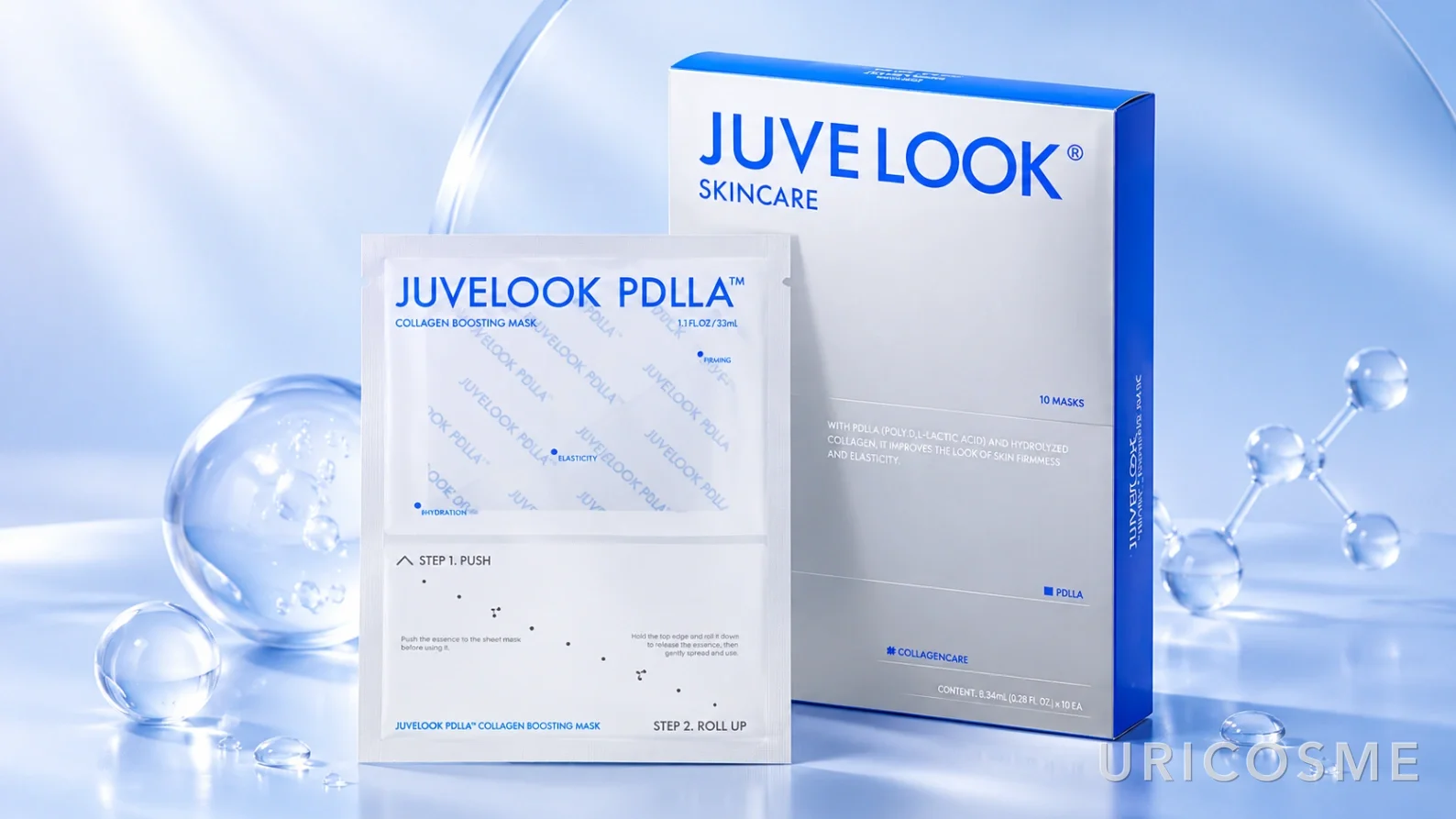
JUVELOOK
JUVELOOK PDLLA Collagen Boosting Mask — 4+1 Promotion / Individual Options
Mask Pack
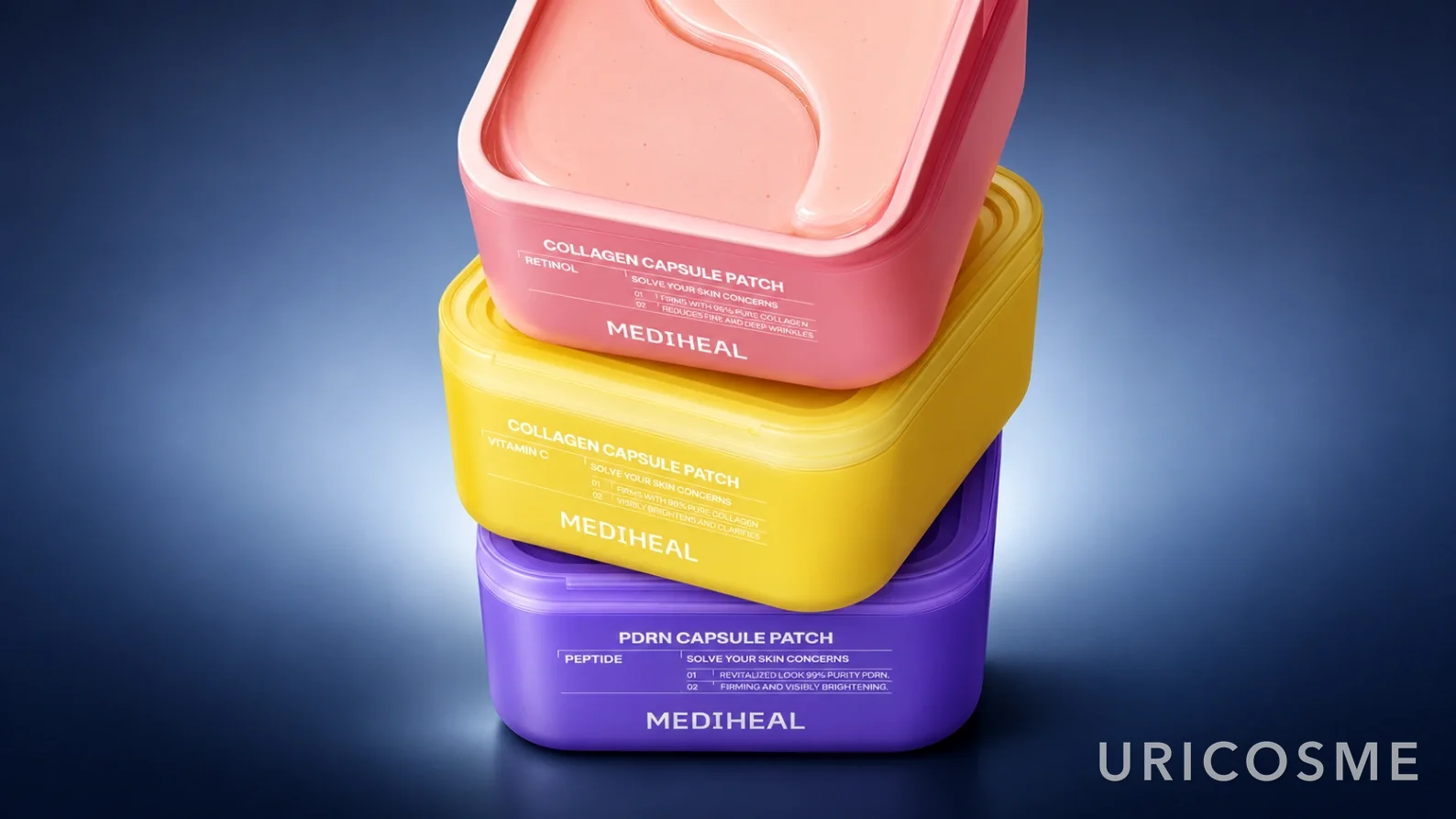
MEDIHEAL
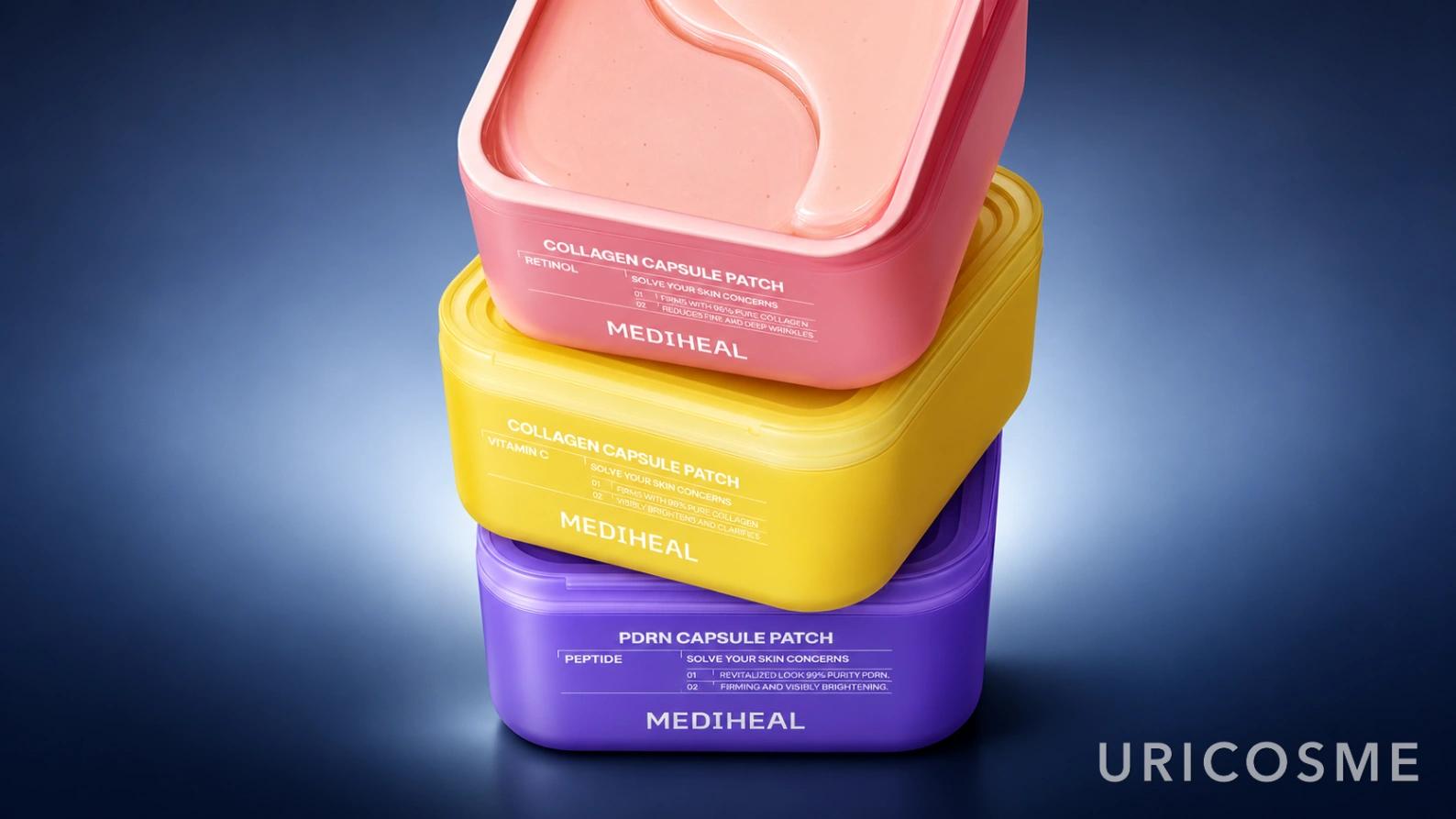
MEDIHEAL Collagen Capsule Patch 60+60 Patches — Retinol, Vitamin C or PDRN
Mask Pack
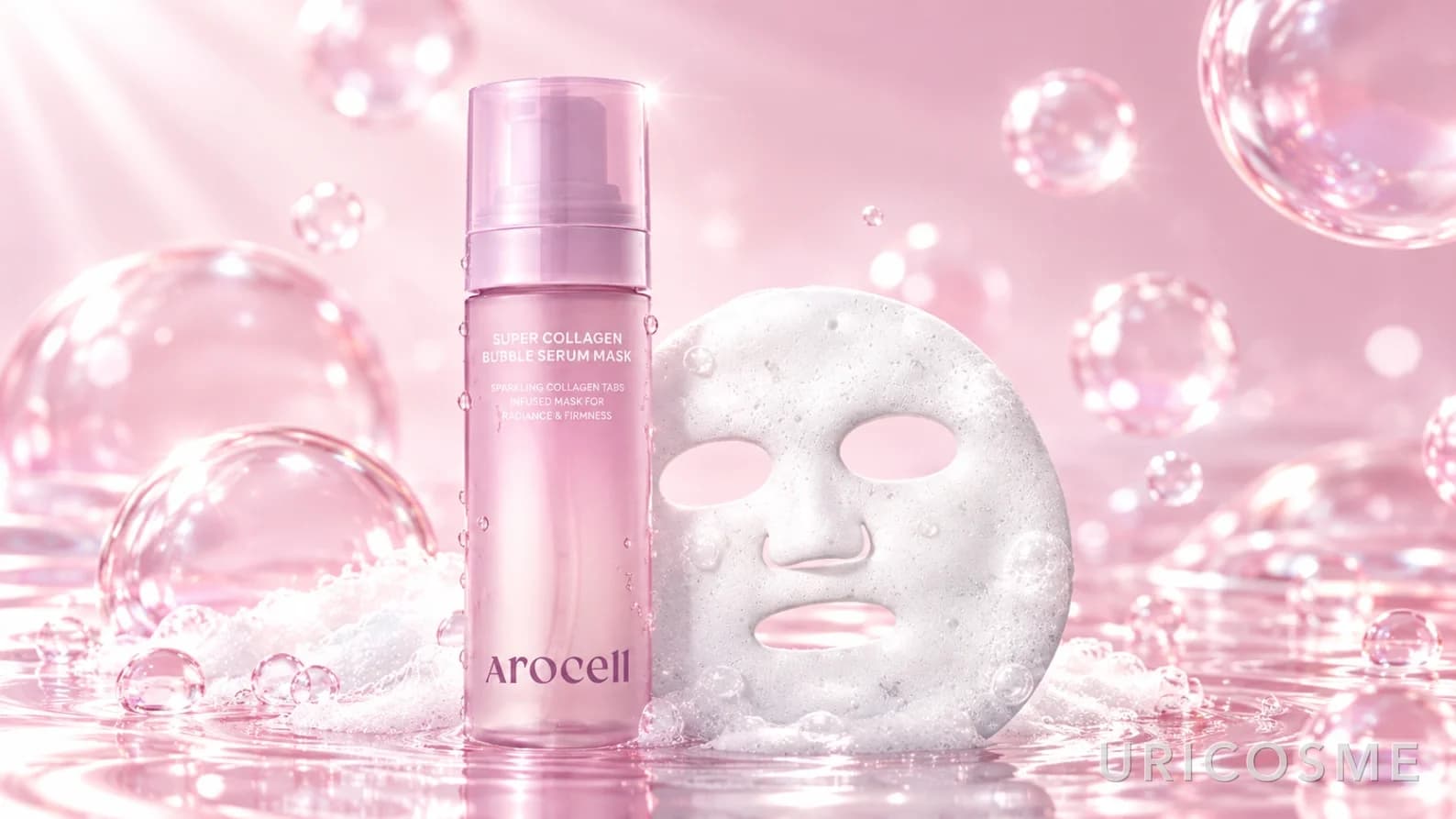
AROCELL
AROCELL Super Collagen Bubble Serum Mask 90 Uses
Mask Pack

Medicube
Medicube Pads — Three Types, 140-Pad Refill Listing
Mask Pack