What it is
Bifida ferment lysate is made by culturing and fermenting Bifidobacterium, known as a beneficial gut microbe, then breaking the cells open to include their contents. It contains ferment products and cell components rather than live bacteria, so it is called a postbiotic.
It became known as the ingredient of a flagship overseas repair essence and spread to over 50 Korean products, appearing in ferment essences, barrier serums and microbiome lines alongside lactobacillus ferment.
Role in cosmetics
Barrier support and UV damage recovery
Studies show bifidobacteria lysate reduces immune suppression and barrier damage after UV exposure, so it is used in repair essences and barrier serums.
Calming and microbiome
Research shows it lowered reactivity in sensitive skin, so it appears in sensitive-skin products and is a core ingredient of formulas built around skin flora balance.
Evidence and scope
Human studies show bifidobacteria lysate reducing skin damage after UV exposure and aiding barrier recovery, and a randomized controlled study found it lowered reactivity in sensitive skin. Among ferment materials it has relatively solid human evidence, but results vary by strain and conditions, so products need individual review.
Concentration and formulation
1 to 10 percent is typical, and essences using the ferment as their base list it near the top. Water-soluble, it fits essences and serums, and its ferment odor means fragrance is often included.
Cautions
Irritation and allergy are rare. Whether milk or soy was used in the fermentation medium varies, so those with severe allergies should check.
Similar ingredients
| Lactobacillus FermentLactobacillus Ferment | Lactobacillus ferment is the lactic acid bacteria counterpart leaning toward calming and barrier, while bifida lysate has more UV damage recovery research. Most microbiome products include both. |
| Galactomyces Ferment FiltrateGalactomyces Ferment Filtrate | Galactomyces ferment filtrate is a yeast ferment used for texture and tone. Bifida is a bacterial lysate with barrier and calming strengths. |
Frequently asked questions
Are the bifidobacteria in the product alive?+−
No. It is a postbiotic of broken-open cells; live bacteria do not remain stable in cosmetics.
Does it work like the famous overseas essence?+−
It is the same family of ingredient, but strain, fermentation conditions and concentration vary by product, so the same result is not guaranteed.
Is it fine for acne-prone skin?+−
It is non-irritating and used in soothing acne products, but evidence that it acts directly on acne bacteria is thin.
Sources and review date
- CosIng 성분 정보: Bifida Ferment LysateEuropean Commission · 2025
- Bifidobacterium lysate 피부 장벽·광손상 연구 (PubMed 검색)PubMed · 2024
Last reviewed 2026.09.23 · Next review 2027.03.23
Related products
View all products →


Related journal
Ingredient Focus • 2026-07-29
10 Key K-Beauty Ingredients for 2026 | From PDRN, Exosomes and Azulene to NAD and NMN

Brand Stories • 2026-05-12
The "Jang Wonyoung Mist" Up Close — A Beauty Editor's Breakdown of Dr.Althea's 345 Cream Mist
Trend Report • 2026-04-02
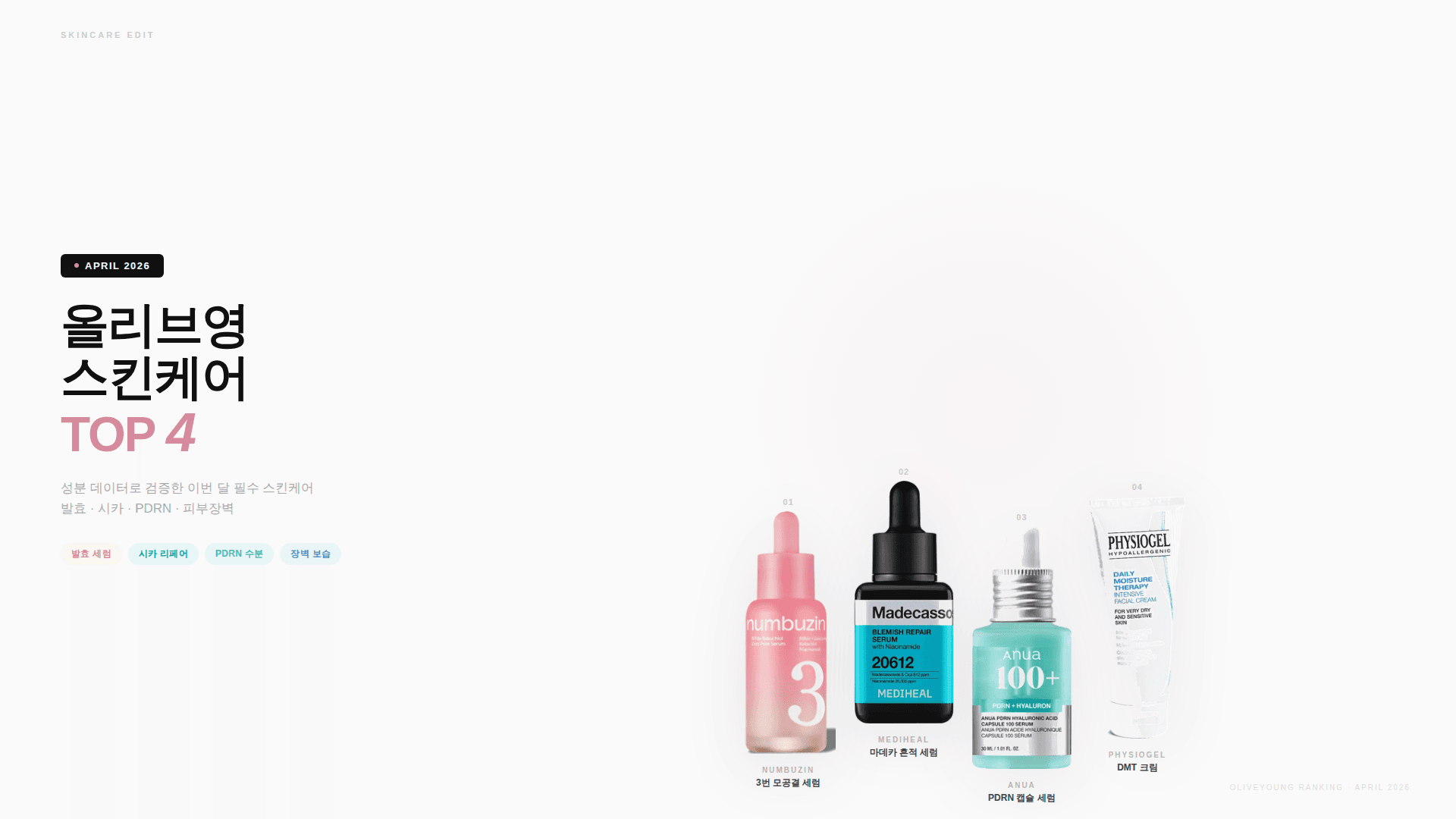
Olive Young Skincare Ranking April 2026: Top 4 Serums & Creams Backed by Ingredient Data
Trend Report • 2026-03-22