What it is
Ceramides are lipids made of a sphingoid base linked to a fatty acid, and they account for roughly 50 percent of the lipids between stratum corneum cells. Types are classified by the base and fatty acid combination; cosmetics mainly use ceramide NP (formerly ceramide 3), AP (6-II), EOP (1), NS (2) and AS (5). Labels list each subtype separately, but since they share a role this dictionary treats them as one entry while product pages keep the label spelling as written.
Cosmetic ceramides are mostly skin-identical molecules made by yeast fermentation or synthesis. They have become the core of barrier creams and appear in over 400 Korean products. The standard formula combines several types with cholesterol and fatty acids in a set ratio.
Role in cosmetics
Replenishing barrier lipids
Many studies show dry, aged and atopic skin has reduced stratum corneum ceramides. Supplying ceramides from outside to refill the lipid layers and cut water loss is the basic principle of a barrier cream.
Roles by subtype
NP and AP are the most common and stable. EOP has a long-chain structure that ties the lipid layers together, so even small amounts matter. NS and AS are added with the others to mirror the real composition of skin lipids.
Ratio with other lipids
Studies suggest formulas with ceramides, cholesterol and free fatty acids in ratios such as 3:1:1 support barrier recovery, which is why ceramide products often include cholesterol and fatty acids.
Evidence and scope
Several clinical studies show ceramide-containing moisturizers reduce transepidermal water loss and ease symptoms of dry and atopic skin, some against prescription-grade moisturizers. Work on lipid ratios is frequently cited for faster recovery. The Cosmetic Ingredient Review found ceramides safe in current use.
Concentration and formulation
A combined total of 0.1 to 1 percent is typical; ceramides are oil-soluble and hard to dissolve, so high concentrations are difficult. Results depend less on the amount than on the mix of types, the ratio with cholesterol and fatty acids, and the formulation technology that keeps the lipids stable. Several ceramides listed alongside cholesterol signal a product designed as a barrier formula.
Cautions
As skin-identical lipids they rarely cause irritation or allergy. Ceramide creams tend to be rich, so oily skin may prefer a lighter texture.
Similar ingredients
| CholesterolCholesterol | Cholesterol is a stratum corneum lipid alongside ceramides; if ceramides are the framework of the lipid layers, cholesterol provides their flexibility. Studies show barrier recovery is faster when both are present. |
| PhytosphingosinePhytosphingosine | Phytosphingosine is the base that forms the backbone of ceramides and a precursor that skin converts into ceramide. It is also the raw material for ceramide NP and is used on its own for soothing. |
Frequently asked questions
Are ceramide NP and ceramide 3 different?+−
They are the same. Older names used numbers; current names use letters based on structure. NP is 3, AP is 6-II, EOP is 1, NS is 2 and AS is 5.
Is a product with more ceramide types better?+−
The ratio with cholesterol and fatty acids and the formulation matter more than the count. Multiple types aim to mirror real skin lipids, and a formula that includes even a little EOP is well designed.
Should acne-prone skin use ceramides?+−
They help skin whose barrier has been weakened by acne treatments. A ceramide gel or lotion is a safer pick than a rich cream.
Sources and review date
- CosIng 성분 정보: Ceramide NP / AP / EOP / NS / ASEuropean Commission · 2025
- Safety Assessment of Ceramides as Used in CosmeticsCosmetic Ingredient Review · 2015
Last reviewed 2026.09.23 · Next review 2027.03.23
Related products
View all products →

Related journal
Product Guide • 2026-11-12
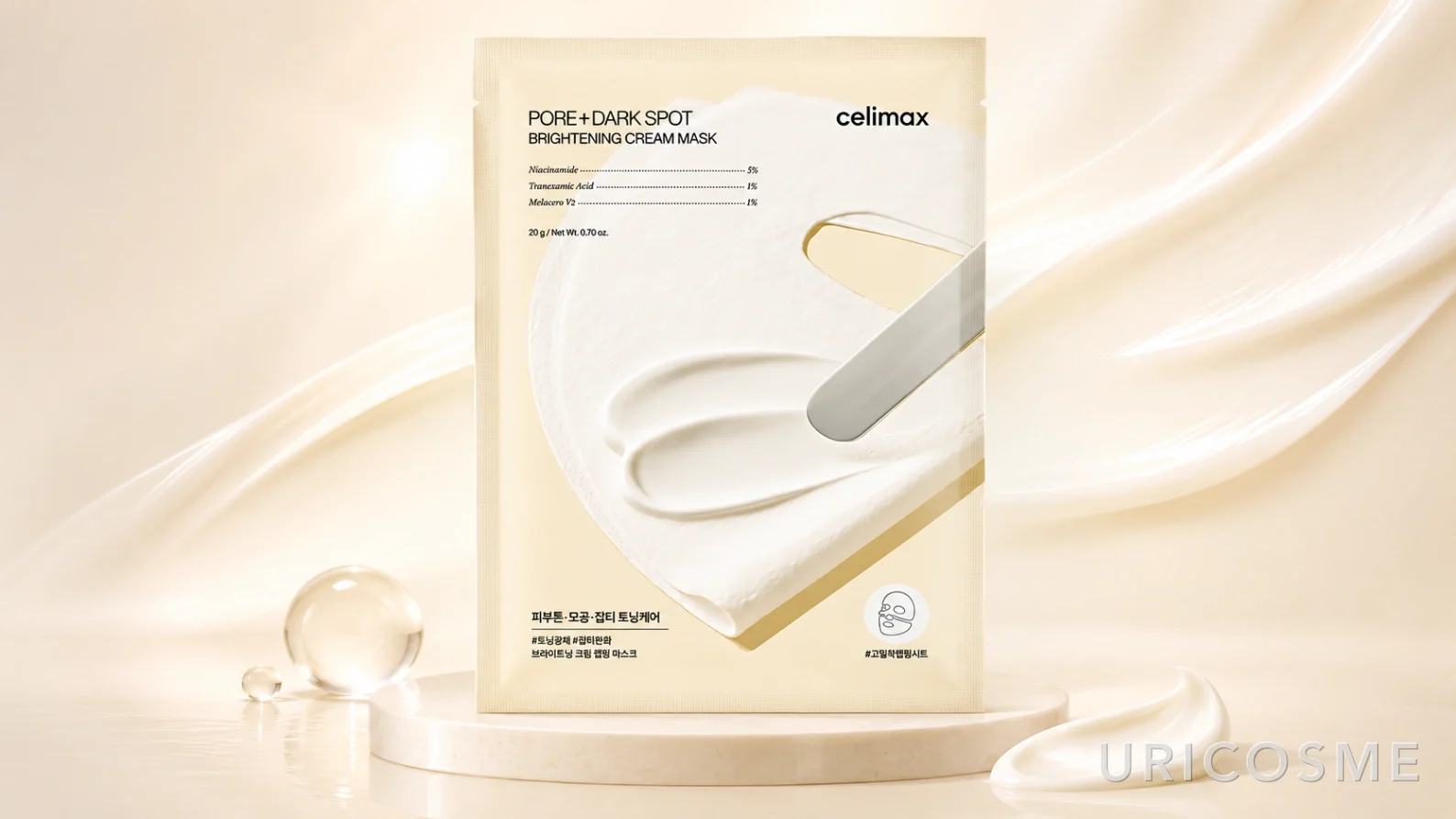
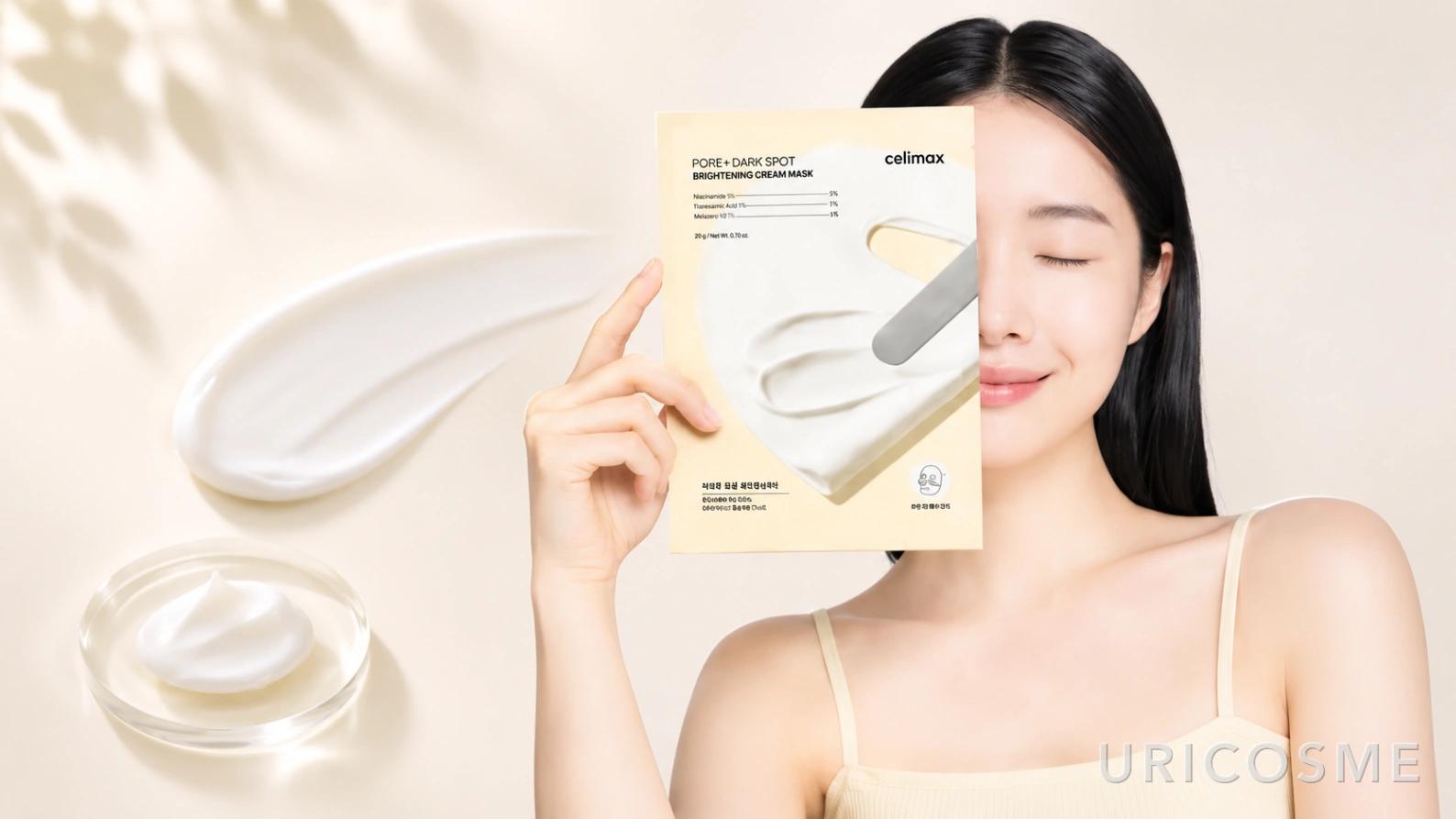
Celimax Pore+Dark Spot Brightening Cream Mask: Which Half Goes on First?

Product Guide • 2026-10-28
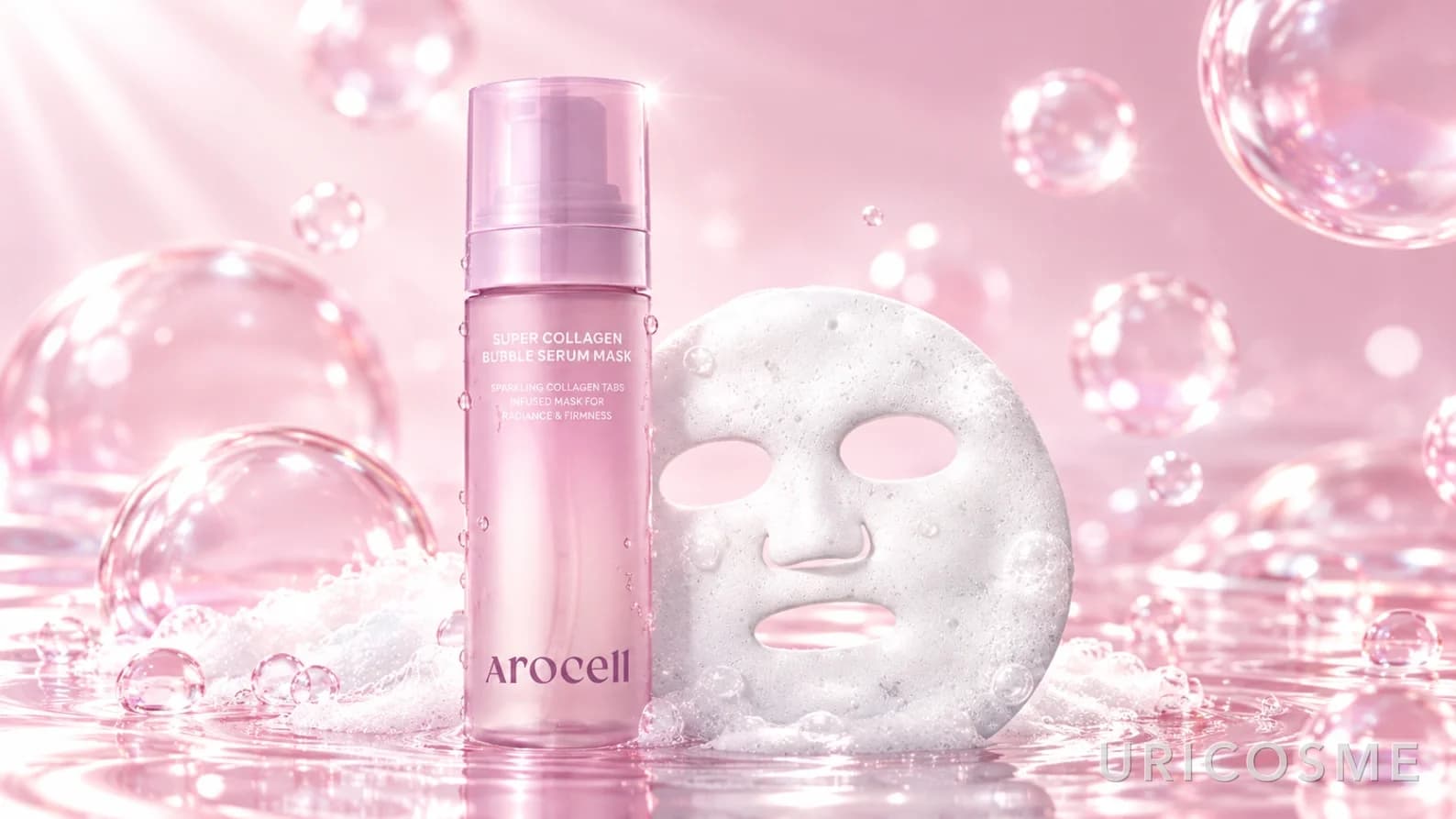
GASH Bubble Masks: How to Use Them Without Rinsing and Choose Between Four Types

Product Guide • 2026-10-27
Anti-Aging Skincare at Olive Young: How to Choose Sunscreen, Retinoids and More
Trend Report • 2026-10-02