What it is
Collagen makes up over 70 percent of the dermis, but collagen in cosmetics cannot replace it directly. The molecule is too large to pass through the stratum corneum, so its real role is a surface film that holds water.
Labels list collagen, soluble collagen, hydrolyzed collagen or collagen extract, mostly from fish scales and skin. Hydrolyzed collagen is cut into smaller pieces that cling to the surface a little better but still do not reach the dermis. This dictionary treats these spellings as one entry.
Role in cosmetics
Surface hydrating film
It lays a protein film on the surface that slows water loss and leaves a smooth feel. The instant firmness from a collagen mask or cream comes from this film.
Hydration from hydrolyzed collagen
Cut to peptide size, hydrolyzed collagen binds to the stratum corneum as a humectant. Hair products use it to coat the hair surface.
Evidence and scope
Studies show topical collagen raises stratum corneum hydration and smooths the surface, but there is no evidence it increases dermal collagen or structurally improves wrinkles. Oral collagen peptide research is often misapplied to topical products. The Cosmetic Ingredient Review found hydrolyzed proteins safe in current use.
Concentration and formulation
0.1 to 2 percent is typical; collagen masks and ampoules list it near the top but the actual amount stays modest. Water-soluble, it fits toners, ampoules and masks. To build dermal collagen, look to retinol, peptides or vitamin C, which stimulate synthesis, rather than collagen itself.
Cautions
Irritation is rare, but with fish-derived material those with fish allergy should patch test. Vegan products' plant collagen is not collagen but a plant protein of similar structure.
Similar ingredients
| Hyaluronic AcidHyaluronic Acid | Both are dermal components applied topically, but hyaluronic acid splits surface and stratum corneum hydration by molecular weight while collagen mainly forms a surface film. For hydration, hyaluronic acid has more evidence. |
| Palmitoyl Pentapeptide-4Palmitoyl Pentapeptide-4 | Palmitoyl pentapeptide-4 is a signal peptide modeled on a collagen fragment that stimulates the skin's own collagen synthesis. Applying collagen and prompting collagen production are different approaches. |
Frequently asked questions
Does a collagen cream increase skin collagen?+−
No. Topical collagen is too large to reach the dermis and instead forms a surface hydrating film. To stimulate collagen synthesis, look at retinol or peptides.
Is hydrolyzed collagen better than regular collagen?+−
Smaller pieces cling to the surface a little better and feel hydrating, but they do not reach the dermis. Treat it as a difference in feel.
Is plant collagen real collagen?+−
It is not the same protein as animal collagen; the name is used for plant proteins with a similar structure or purpose.
Sources and review date
- CosIng 성분 정보: Collagen / Hydrolyzed Collagen / Soluble CollagenEuropean Commission · 2025
- Safety Assessment of Animal- and Plant-Derived Amino Acids and Hydrolyzed ProteinsCosmetic Ingredient Review · 2014
Last reviewed 2026.09.23 · Next review 2027.03.23
Related products
View all products →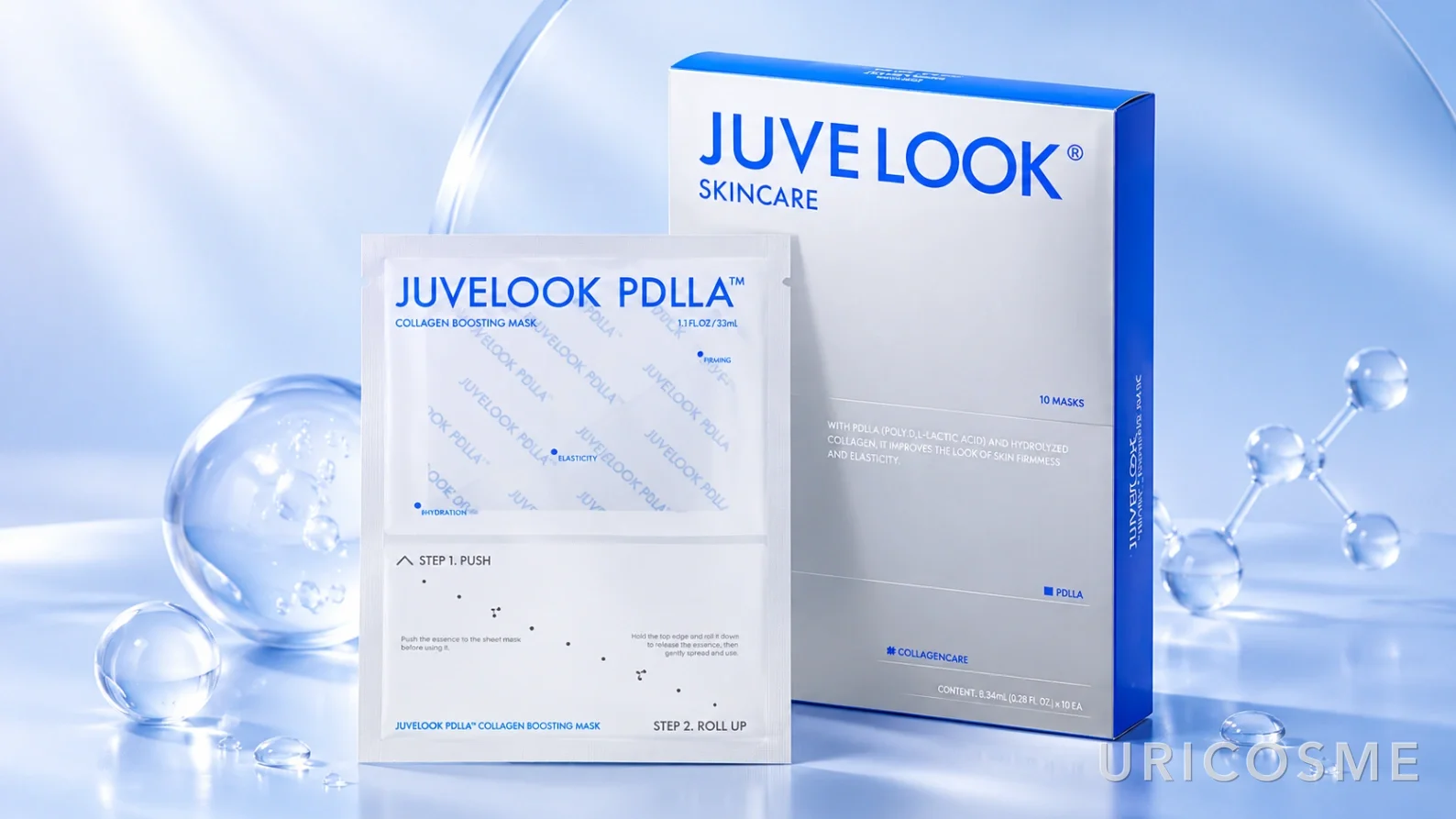
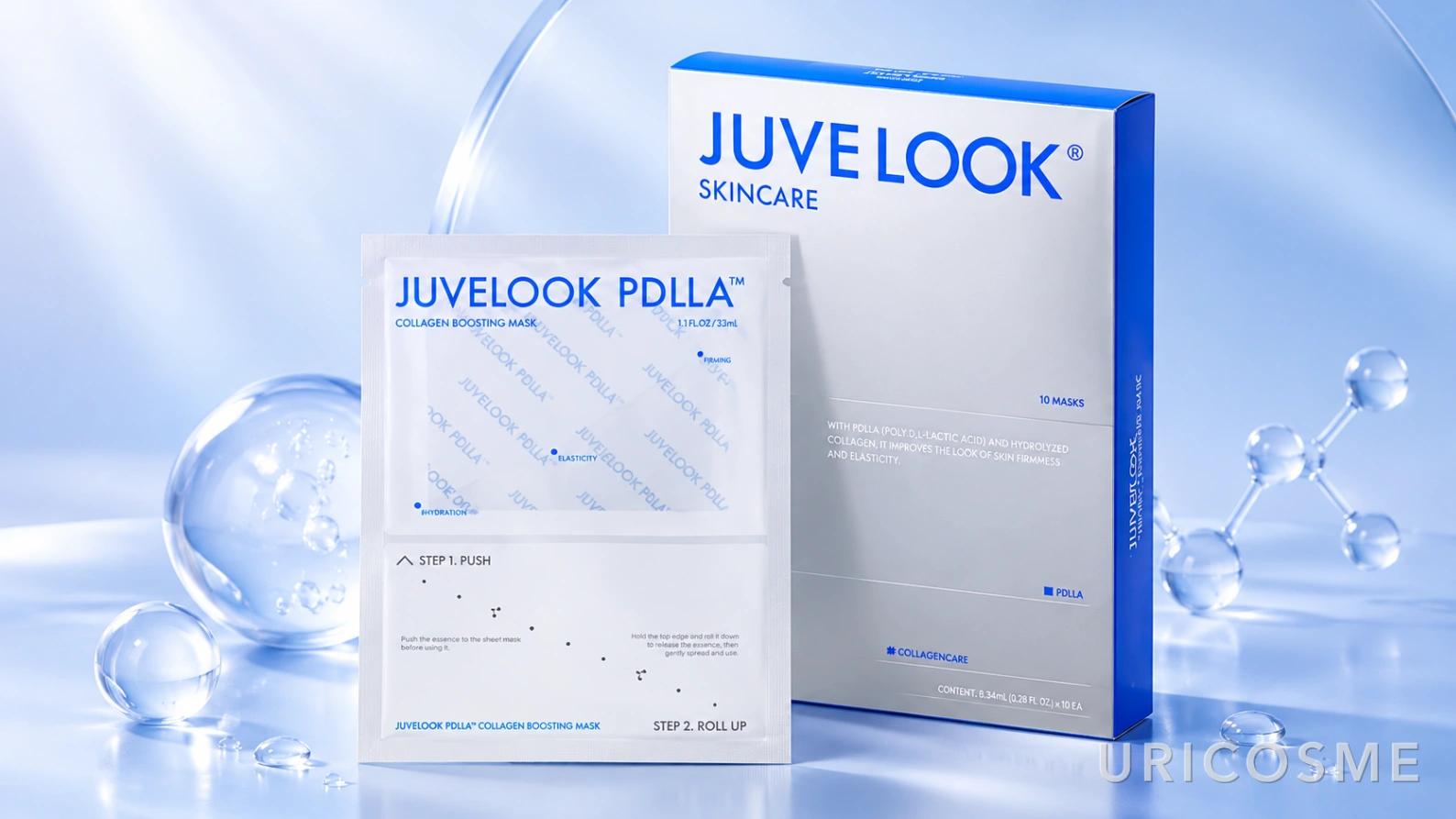
JUVELOOK
JUVELOOK PDLLA Collagen Boosting Mask — 4+1 Promotion / Individual Options
Mask Pack
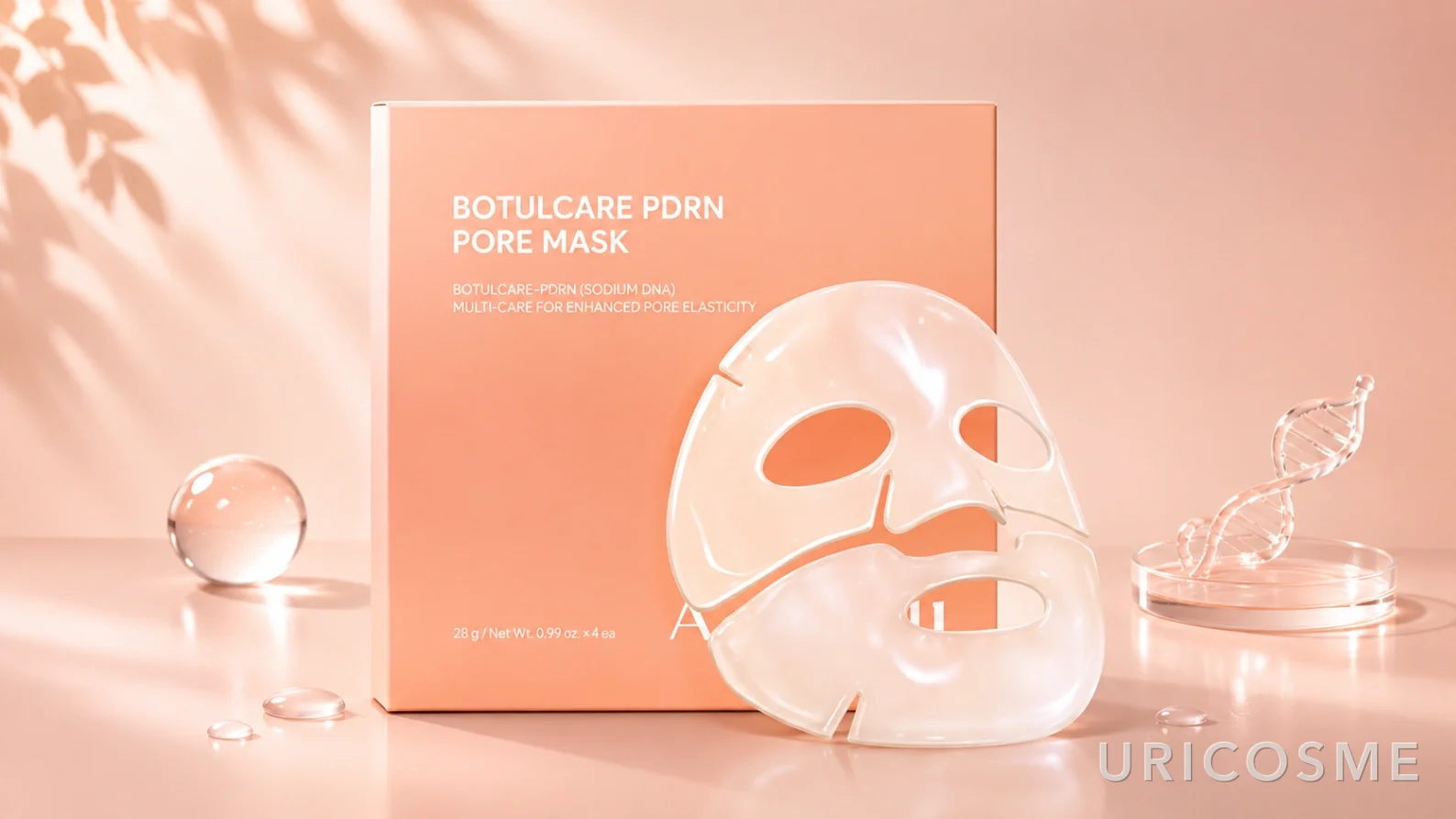
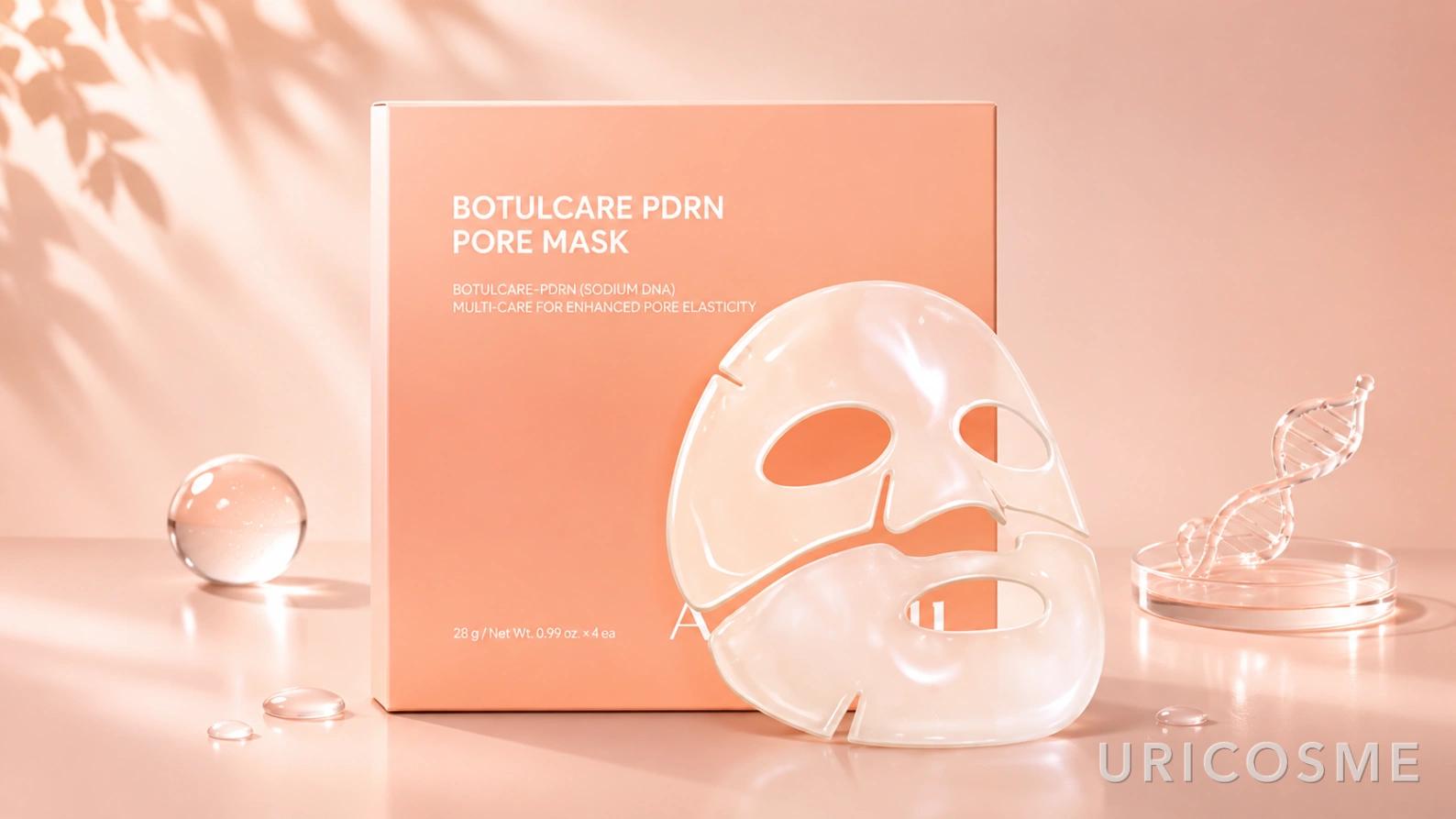
AROCELL
AROCELL Botulcare PDRN Pore Mask 3+2 Sheets
Mask Pack
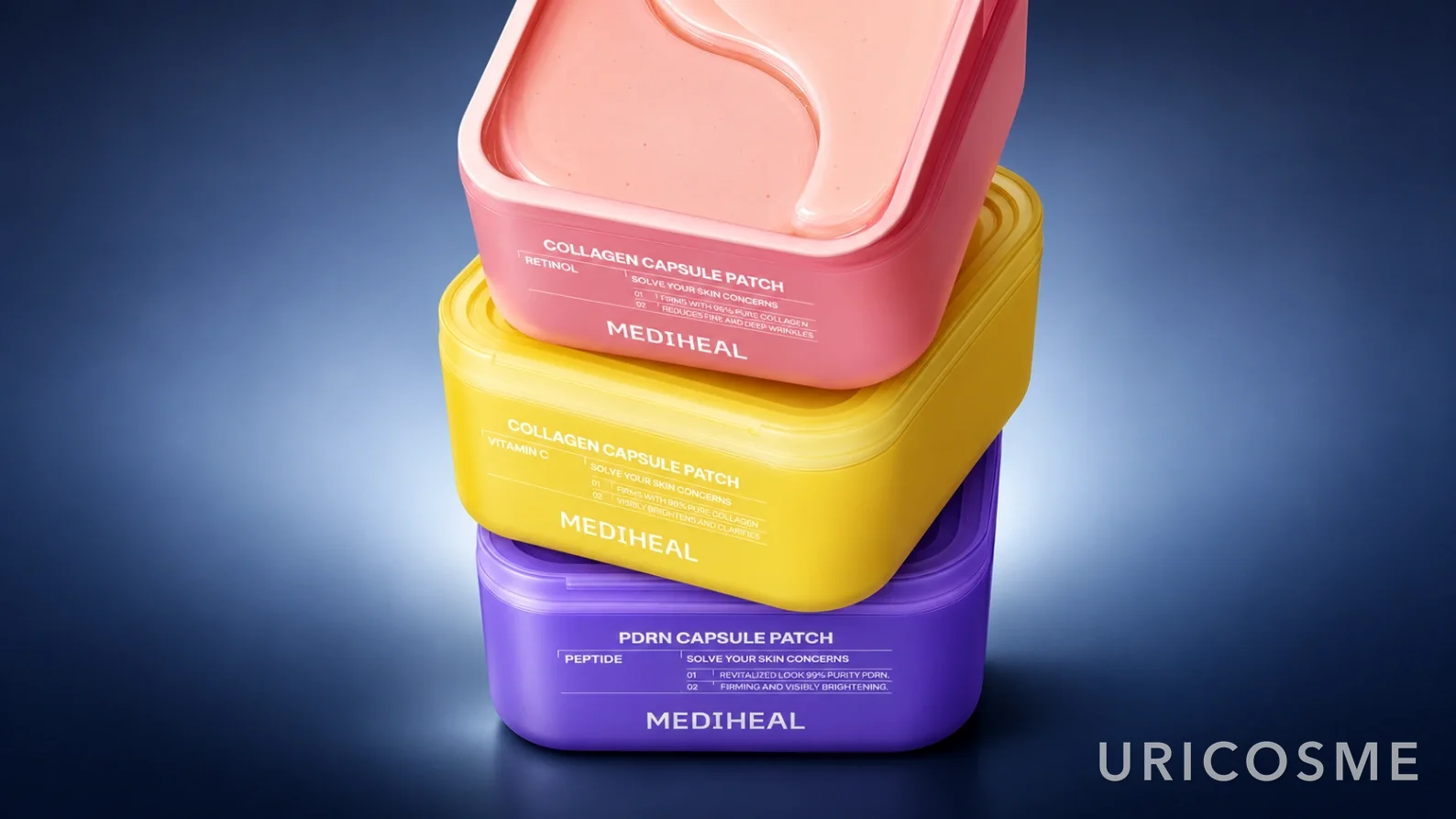
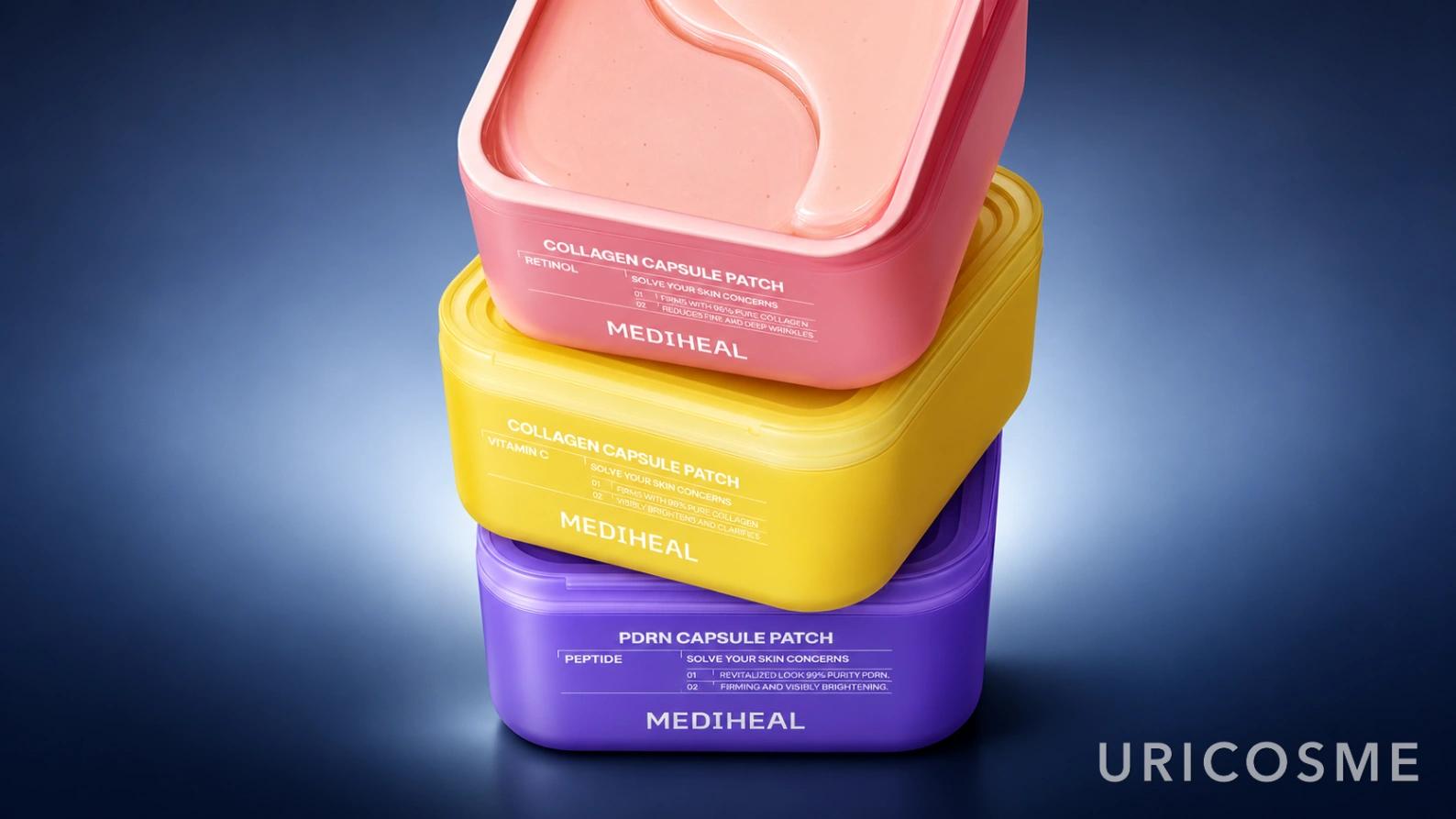
MEDIHEAL
MEDIHEAL Collagen Capsule Patch 60+60 Patches — Retinol, Vitamin C or PDRN
Mask Pack
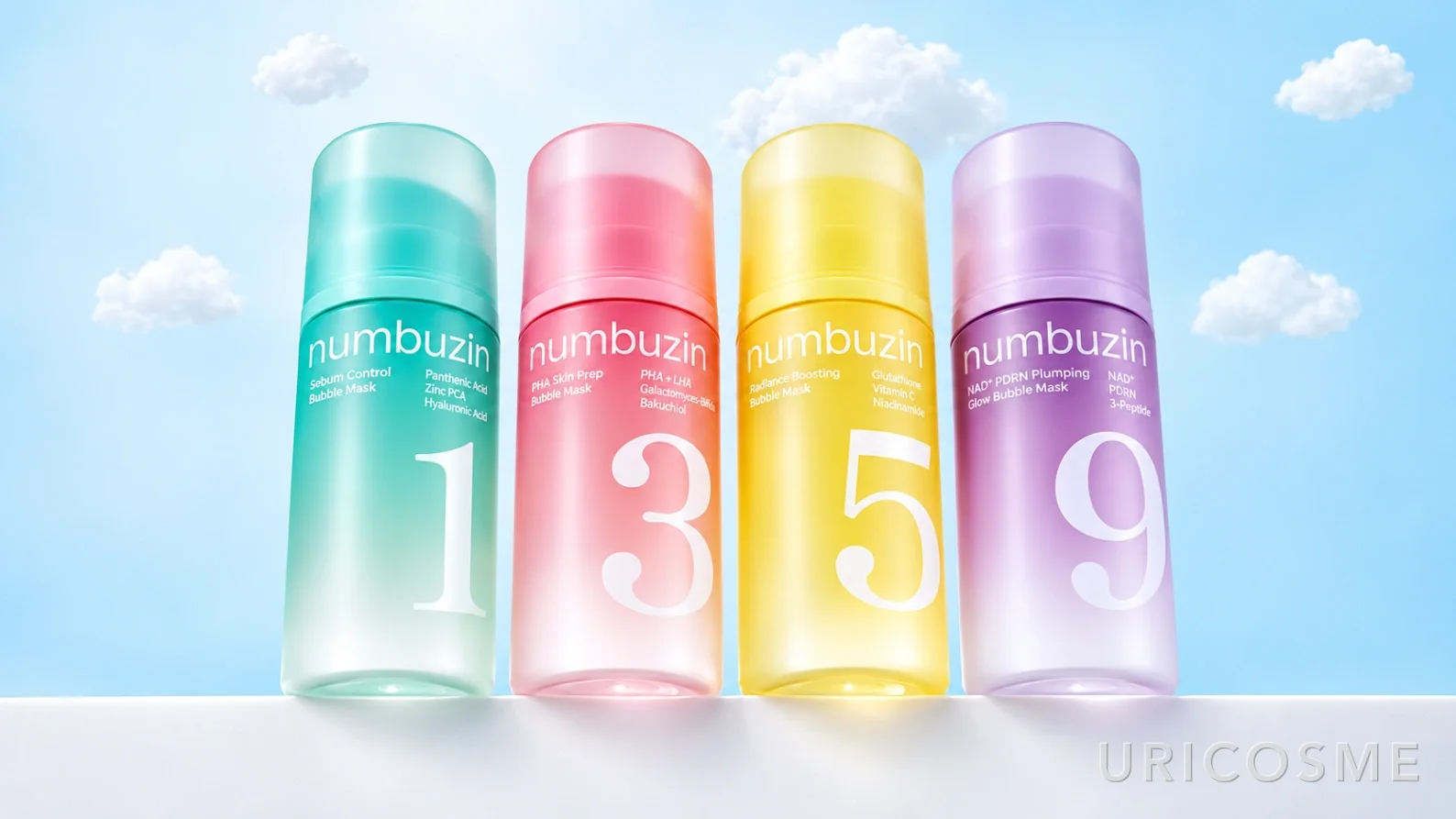
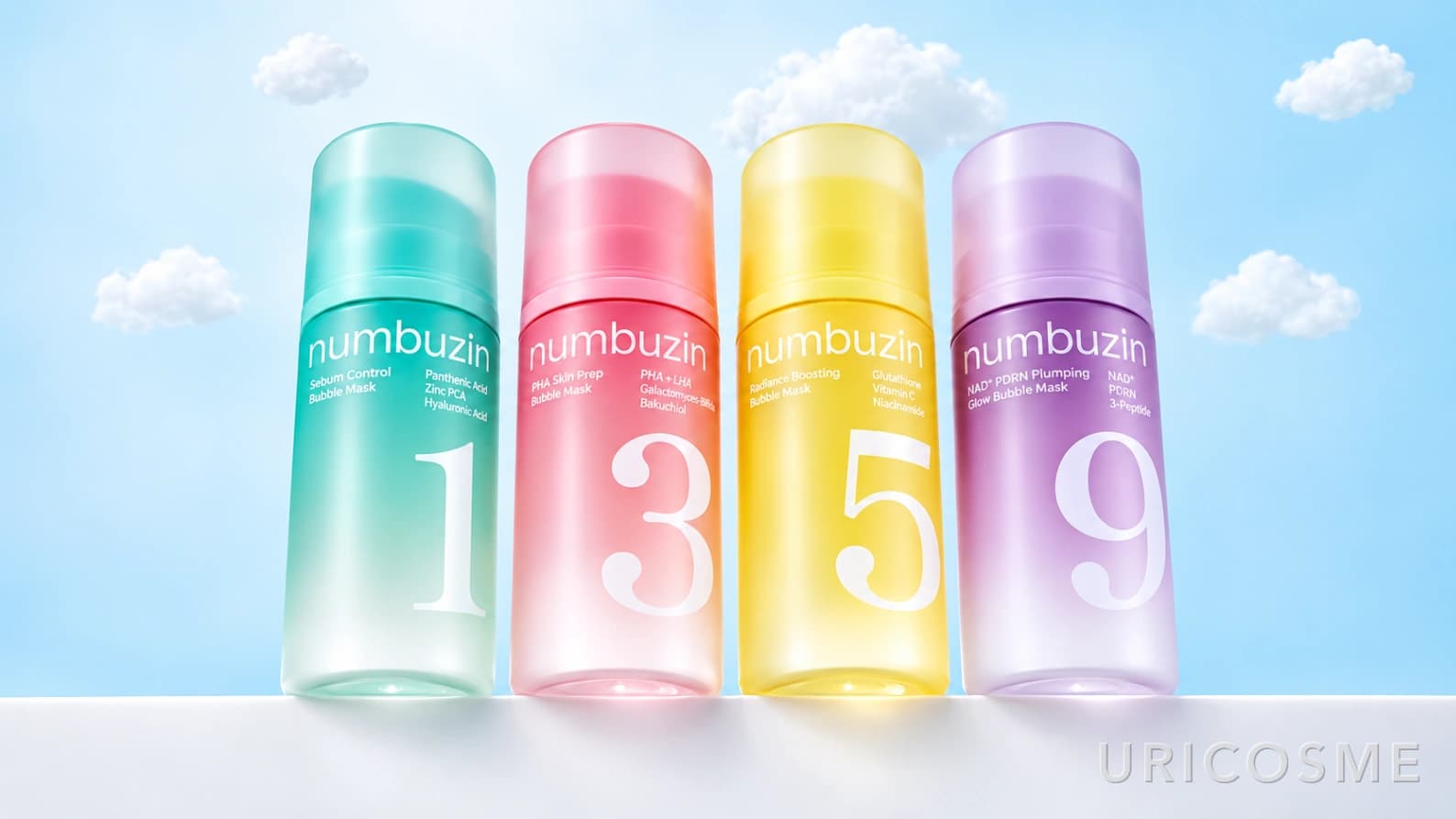
numbuzin
numbuzin Prep Bubble Masks — Choose 1 of 4
Mask Pack
Related journal
Product Guide • 2026-11-18
Juvelook PDLLA Collagen Boosting Mask: Mix Before Opening
Product Guide • 2026-11-13
Arocell Botulcare PDRN Pore Mask: Which Way Does the Grid Side Face?
Product Guide • 2026-11-06
MEDIHEAL Collagen Capsule Patch: Retinol, Vitamin C or PDRN?
Product Guide • 2026-11-03