What it is
Lecithin is a phospholipid mixture obtained from soybeans or sunflower seeds, and its main component is phosphatidylcholine. Adding hydrogen to remove the double bonds gives hydrogenated lecithin, which resists rancidity and keeps a stable color and odor, so cosmetics use this form far more. Lecithin, hydrogenated lecithin and hydrogenated phosphatidylcholine on labels all belong to the same family, so this dictionary lists them together.
It appears in over 400 Korean products, mostly as a formulation material rather than an active. Its structure is friendly to both water and oil, which makes it an emulsifier, and it forms cell-membrane-like bilayers that encapsulate actives in liposome technology.
Role in cosmetics
A gentle emulsifier
It blends the water and oil phases of creams and lotions in place of synthetic surfactants. Its similarity to skin lipids keeps irritation low and the feel light, so sensitive-skin products favor it.
Liposomes and delivery
Phospholipid bilayers form tiny vesicles that wrap vitamins, peptides and ceramides. The goal is to protect the active and help it mix with stratum corneum lipids, which is why it sits near the top of ampoule and serum ingredient lists.
Barrier support
Because it resembles stratum corneum lipids, it joins ceramides and cholesterol in barrier creams, working as both emulsifier and barrier lipid.
Evidence and scope
Lecithins have a long history in food and pharmaceuticals, so safety data are extensive. The Cosmetic Ingredient Review found lecithin and hydrogenated lecithin safe in current use. Many studies show liposomes improve ingredient delivery, but the effect in a finished product depends on vesicle size and composition and has to be checked product by product.
Concentration and formulation
Emulsifier use is typically 1 to 3 percent, liposome production 0.5 to 2 percent. Near the top of the list it is the main material of a liposome or emulsion base; near the end it is a secondary emulsifier. Being amphiphilic it fits gels, creams and ampoules alike.
Cautions
Soy lecithin can occasionally trigger reactions in people with soy allergy. Refining removes most protein, but with severe soy allergy a sunflower-derived lecithin product is the safer choice.
Similar ingredients
| CeramideCeramide | Ceramides are stratum corneum lipids themselves; hydrogenated lecithin is a phospholipid with a similar structure. In barrier creams lecithin wraps and stabilizes ceramides, serving as emulsifier and carrier. |
| CholesterolCholesterol | Cholesterol is one of the three barrier lipids alongside ceramides and fatty acids, while lecithin holds those lipids stably in the formula. That is why all four appear together in barrier creams. |
Frequently asked questions
Are lecithin and hydrogenated lecithin different?+−
Hydrogenated lecithin is the same phospholipid stabilized with hydrogen. Cosmetics use the hydrogenated form far more because it resists rancidity, and the role is the same.
If it is near the top of the list, is it an active?+−
It is the main material of a liposome or emulsion base rather than an active. High on an ampoule's list, it usually signals a liposome formula carrying other actives.
Should I avoid it with a soy allergy?+−
Refined lecithin contains almost no protein and rarely causes issues, but with severe allergy check the source or choose sunflower lecithin products.
Sources and review date
- CosIng 성분 정보: Hydrogenated Lecithin / LecithinEuropean Commission · 2025
- Safety Assessment of Lecithin and Hydrogenated Lecithin as Used in CosmeticsCosmetic Ingredient Review · 2020
Last reviewed 2026.09.23 · Next review 2027.03.23
Related products
View all products →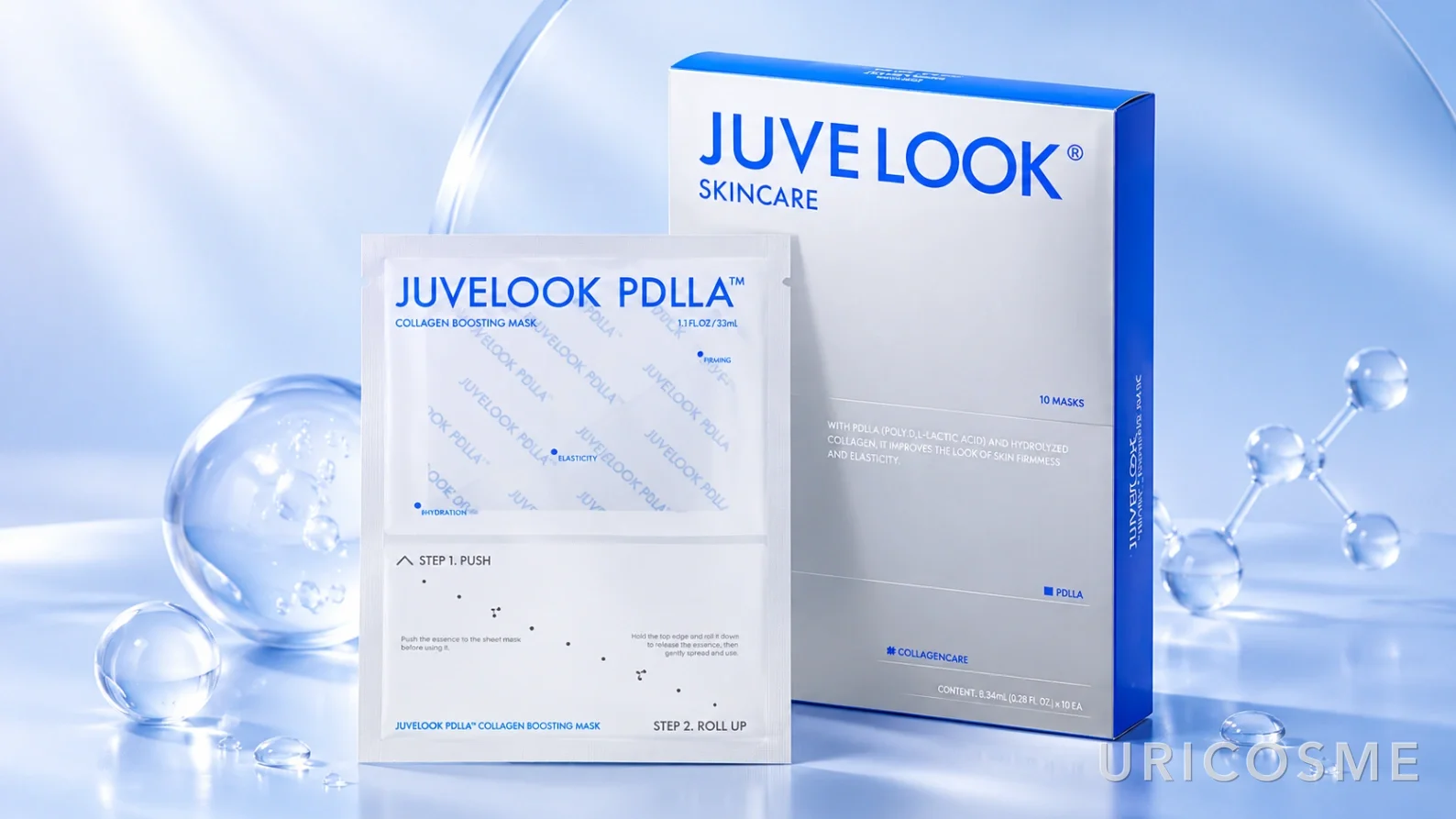
JUVELOOK
JUVELOOK PDLLA Collagen Boosting Mask — 4+1 Promotion / Individual Options
Mask Pack
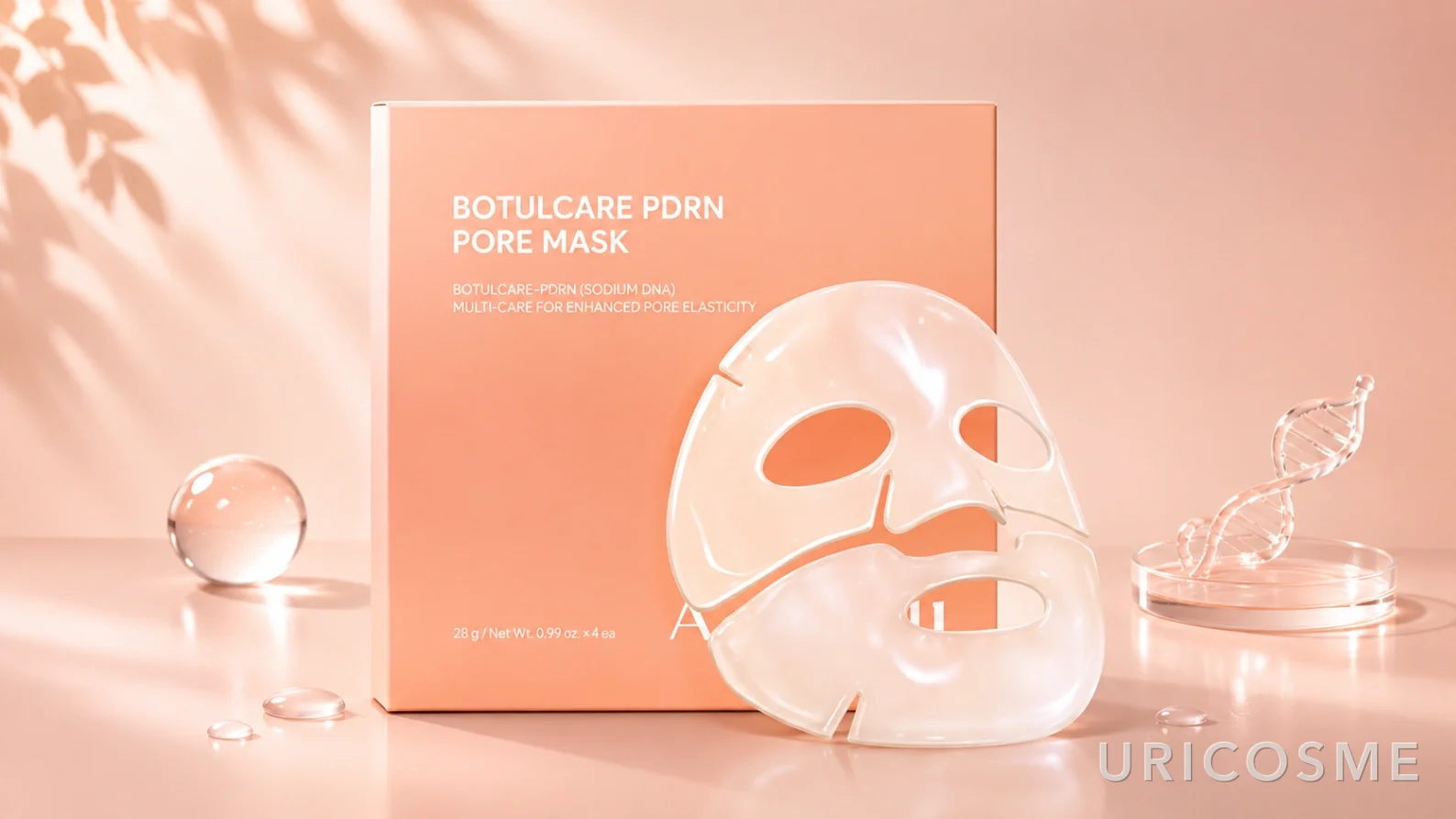
AROCELL
AROCELL Botulcare PDRN Pore Mask 3+2 Sheets
Mask Pack
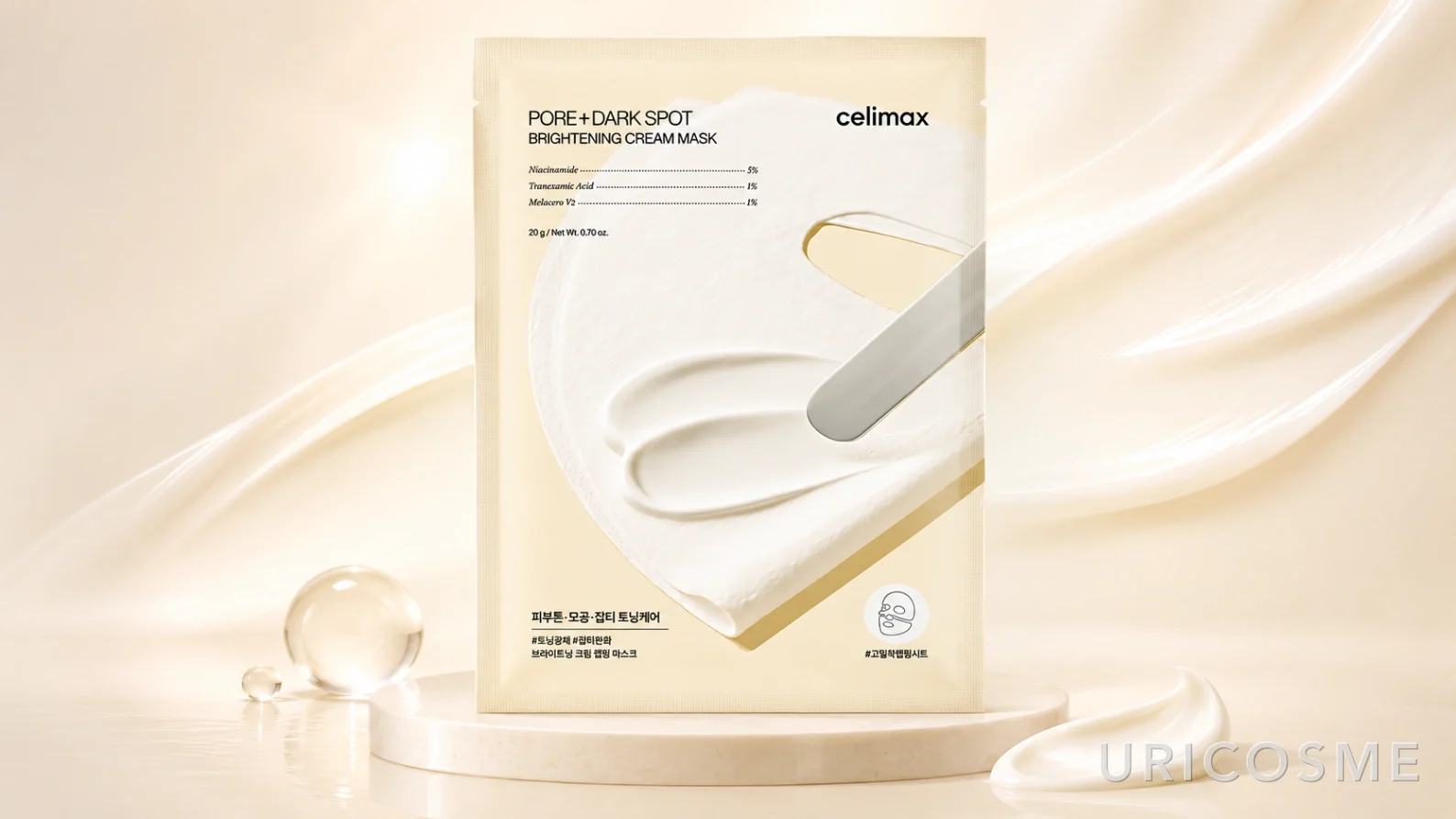
celimax
celimax Tranexamic Acid Brightening Cream Wrapping Mask 5 Sheets
Mask Pack
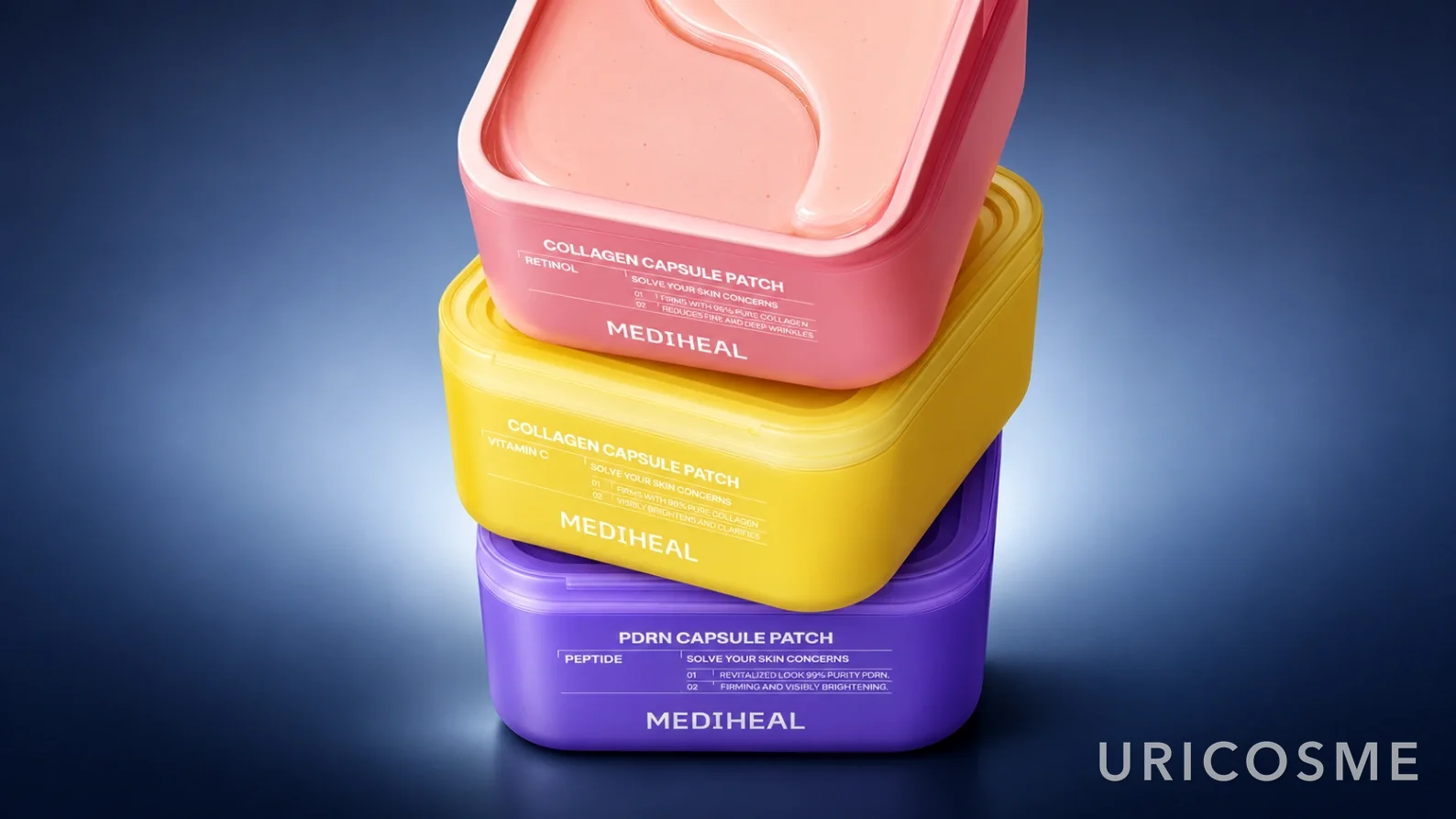
MEDIHEAL
MEDIHEAL Collagen Capsule Patch 60+60 Patches — Retinol, Vitamin C or PDRN
Mask Pack
Related journal
Trend Report • 2026-10-02
What's Getting Attention at Olive Young Right Now
Product Guide • 2026-11-24
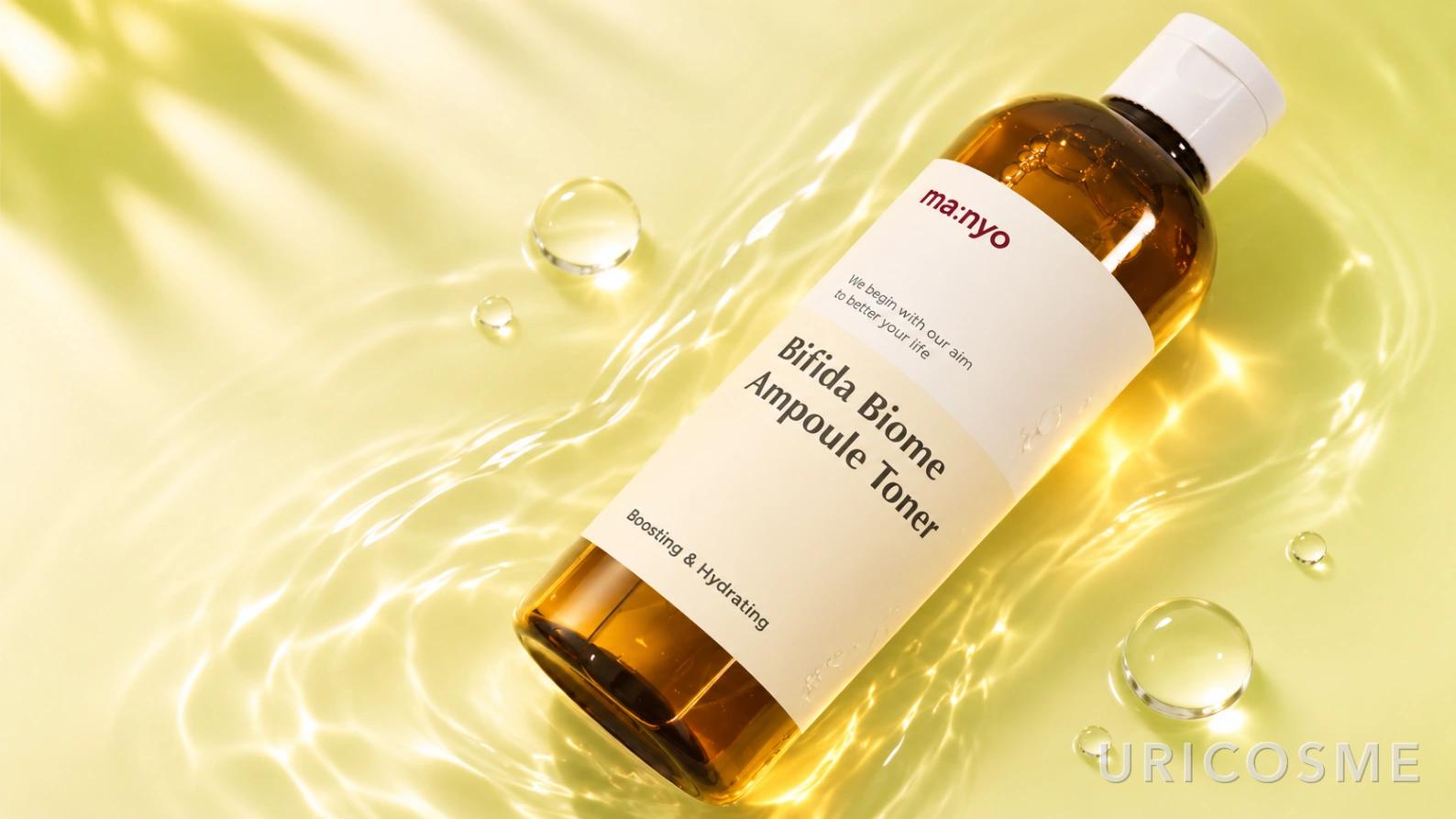
ma:nyo Bifida Biome Ampoule Toner: Ingredients and How to Use It After Cleansing

Routine Guides • 2026-11-21
Soft, Muted Makeup with Tooq A09 Cotton Cloudy and a Base for Dry Skin

Product Guide • 2026-11-21