What it is
Tocopherol is vitamin E obtained from vegetable oils. Labels may list it as tocopherol, tocopheryl acetate or mixed tocopherols. Tocopheryl acetate is tocopherol with an acetic acid group attached, which makes it more stable to light and air; skin enzymes are understood to convert it back to tocopherol. This dictionary treats both spellings as one entry.
By product count it is one of the most common actives, but its role splits in two. A small amount at the end of the list protects the oil ingredients from going rancid; a position near the top signals a formula built around skin antioxidant activity.
Role in cosmetics
Protecting the formula's oils
Plant oils, squalane and ester oils oxidize when exposed to air and light, developing odor and irritating by-products. Tocopherol is added at roughly 0.05 to 0.5 percent to slow this and often follows the oil ingredients on the label.
Defending skin lipids
Stratum corneum lipids and sebum oxidize under UV light and air pollution. Tocopherol settles into the lipid layer and neutralizes free radicals; formulas aiming for this use around 1 percent.
Evidence and scope
Tocopherol's antioxidant activity is consistent across in vitro and animal studies, and human studies report reduced redness and lipid peroxidation after UV exposure. Studies combining it with vitamin C and ferulic acid are often cited for stronger photoprotection. Most human data cover short periods after topical application, so long-term effects remain under study.
Concentration and formulation
Around 0.1 percent is typical for preventing rancidity, 0.5 to 1 percent for skin antioxidant use. Tocopheryl acetate's stability makes it common in creams and sun care, while pure tocopherol goes into oil serums and balms. Being oil-soluble, it needs an emulsifier or oil phase in water-based formulas.
Cautions
Irritation is generally low, but contact dermatitis has occasionally been reported from applying concentrated vitamin E oil directly. Acne-prone skin does better with small amounts in a cream or serum than with a rich oil base.
Similar ingredients
| Vitamin CAscorbic Acid | Vitamin C is water-soluble, tocopherol oil-soluble. They act in different layers, and vitamin C is understood to regenerate oxidized vitamin E, so the two are often formulated together. |
| Ferulic AcidFerulic Acid | Ferulic acid is a plant antioxidant that stabilizes vitamins C and E when used together. Vitamin serums typically present the three as a set. |
Frequently asked questions
Are tocopherol and tocopheryl acetate different ingredients?+−
They belong to the same vitamin E family. Tocopheryl acetate is the stabilized ester form and converts to tocopherol in skin. The label names differ but the role is the same, so this dictionary lists them together.
If tocopherol is last on the list, does it do anything?+−
In that position it keeps the formula's oils from going rancid. If you want antioxidant benefits for skin, look for products with it near the top or middle of the list.
Can I apply vitamin E oil directly to my face?+−
Concentrated oil is heavy and occasionally irritating. A cream or serum containing tocopherol is the safer choice for the face.
Sources and review date
- CosIng 성분 정보: Tocopherol / Tocopheryl AcetateEuropean Commission · 2025
- Safety Assessment of Tocopherols and Tocotrienols as Used in CosmeticsCosmetic Ingredient Review · 2018
Last reviewed 2026.09.23 · Next review 2027.03.23
Related products
View all products →
Related journal
Product Guide • 2026-05-13
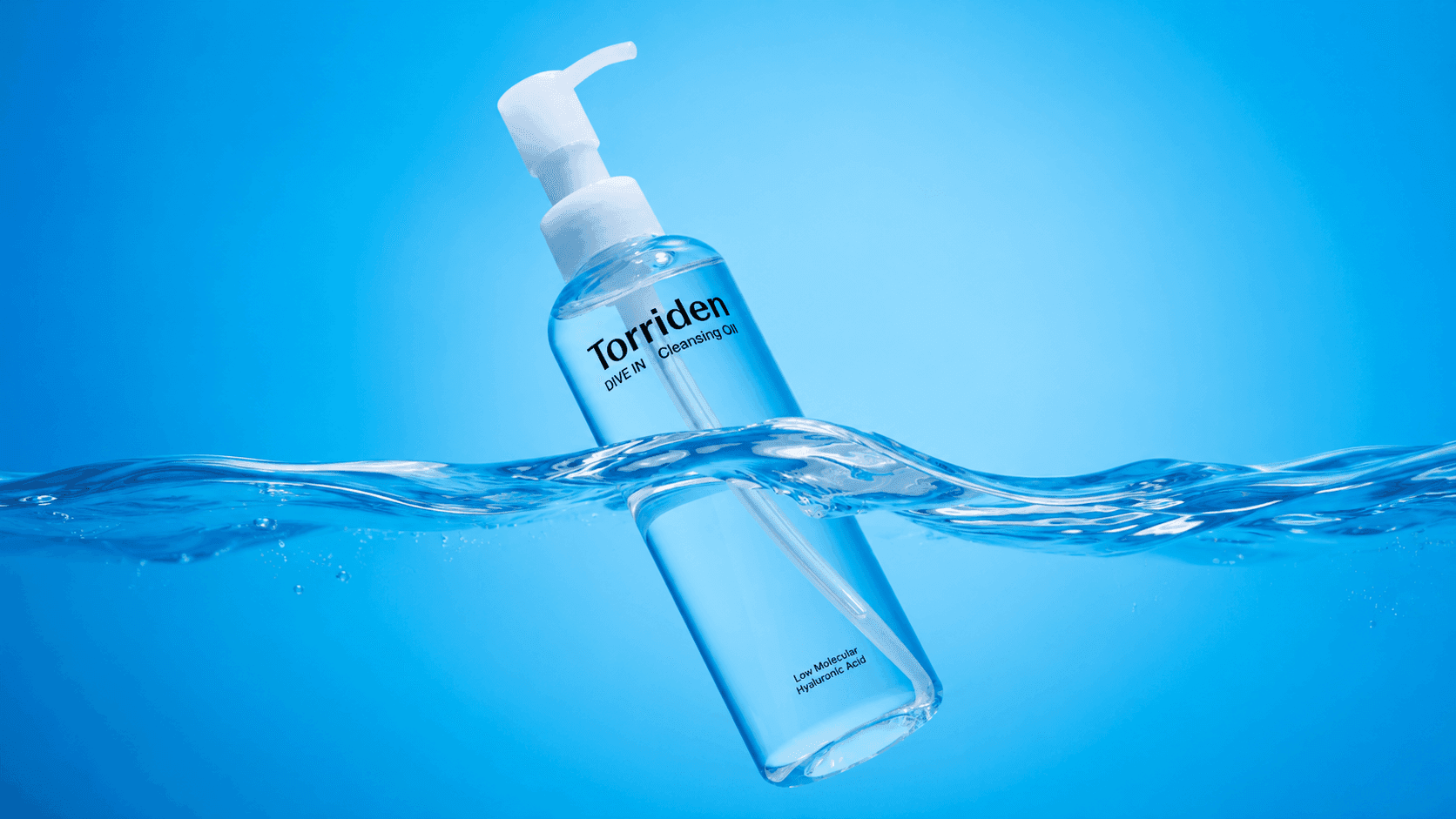
Torriden Dive-In Cleansing Oil, Revisited

Brand Stories • 2026-05-12
The "Jang Wonyoung Mist" Up Close — A Beauty Editor's Breakdown of Dr.Althea's 345 Cream Mist

Routine Guides • 2026-11-21
Soft, Muted Makeup with Tooq A09 Cotton Cloudy and a Base for Dry Skin

Product Guide • 2026-11-21