What it is
Lactic acid is known as the acid that forms when milk sours, but cosmetic grades are mostly made by fermenting sugar. It is the second most common AHA after glycolic acid and slightly gentler because of its larger molecule. It is also a component of the skin's natural moisturizing factor (NMF), so it exfoliates and hydrates at once.
Sodium lactate on labels is its sodium salt, used for hydration and pH adjustment rather than exfoliation. Being one family, this dictionary lists them together. Over 110 Korean products use it in toners, pads, peels and moisturizing creams.
Role in cosmetics
Exfoliation
It loosens bonds between dead cells to smooth texture and even tone. Slower than glycolic acid, it is recommended for skin new to AHAs.
Hydration and pH control
As an NMF component it binds water in the stratum corneum, and studies show it stimulates ceramide synthesis. Sodium lactate serves as a humectant and a buffer to set formula pH.
Evidence and scope
Human studies show 5 to 12 percent lactic acid improving stratum corneum thickness, texture and fine lines, and a classic study with 12 percent reporting increased dermal thickness is often cited. Even under 5 percent, studies show higher stratum corneum hydration and ceramide synthesis. The Cosmetic Ingredient Review considers it safe at pH 3.5 or above and 10 percent or below, with sun protection advised.
Concentration and formulation
Toners and pads use 2 to 5 percent, peels 5 to 10 percent, working in acidic formulas at pH 3.5 to 4. Sodium lactate is used at 1 to 5 percent as a humectant and is non-irritating since it is not acidic. Lactic acid near the top of the list means an exfoliant; sodium lactate alone means a moisturizer.
Cautions
At exfoliating levels it can sting and raise sun sensitivity, so start at two to three times a week with sunscreen. Avoid layering with retinol or other acids on the same day. It is unrelated to milk allergy.
Similar ingredients
| Glycolic AcidGlycolic Acid | Glycolic acid's smaller molecule works faster and stronger with more irritation. Lactic acid is gentler and hydrating, making it the AHA of choice for dry or sensitive skin. |
| PHAPoly Hydroxy Acid | PHA has an even larger molecule and is the gentlest exfoliating acid. Sensitive skin suits PHA; those also wanting tone benefits suit lactic acid. |
Frequently asked questions
Does a product with sodium lactate exfoliate?+−
No. Sodium lactate is the salt form used for hydration and pH adjustment and has no exfoliating action.
Should I avoid it with a milk allergy?+−
Cosmetic lactic acid is a pure acid made by fermentation and unrelated to milk proteins.
Can I use it daily?+−
Many 2 to 5 percent toners are made for daily use, but cut back to two to three times a week if stinging or flaking appears.
Sources and review date
- CosIng 성분 정보: Lactic Acid / Sodium LactateEuropean Commission · 2025
- Safety Assessment of Alpha Hydroxy Acids (Glycolic and Lactic Acid) as Used in CosmeticsCosmetic Ingredient Review · 2019
Last reviewed 2026.09.23 · Next review 2027.03.23
Related products
View all products →


Related journal
Product Guide • 2026-11-18
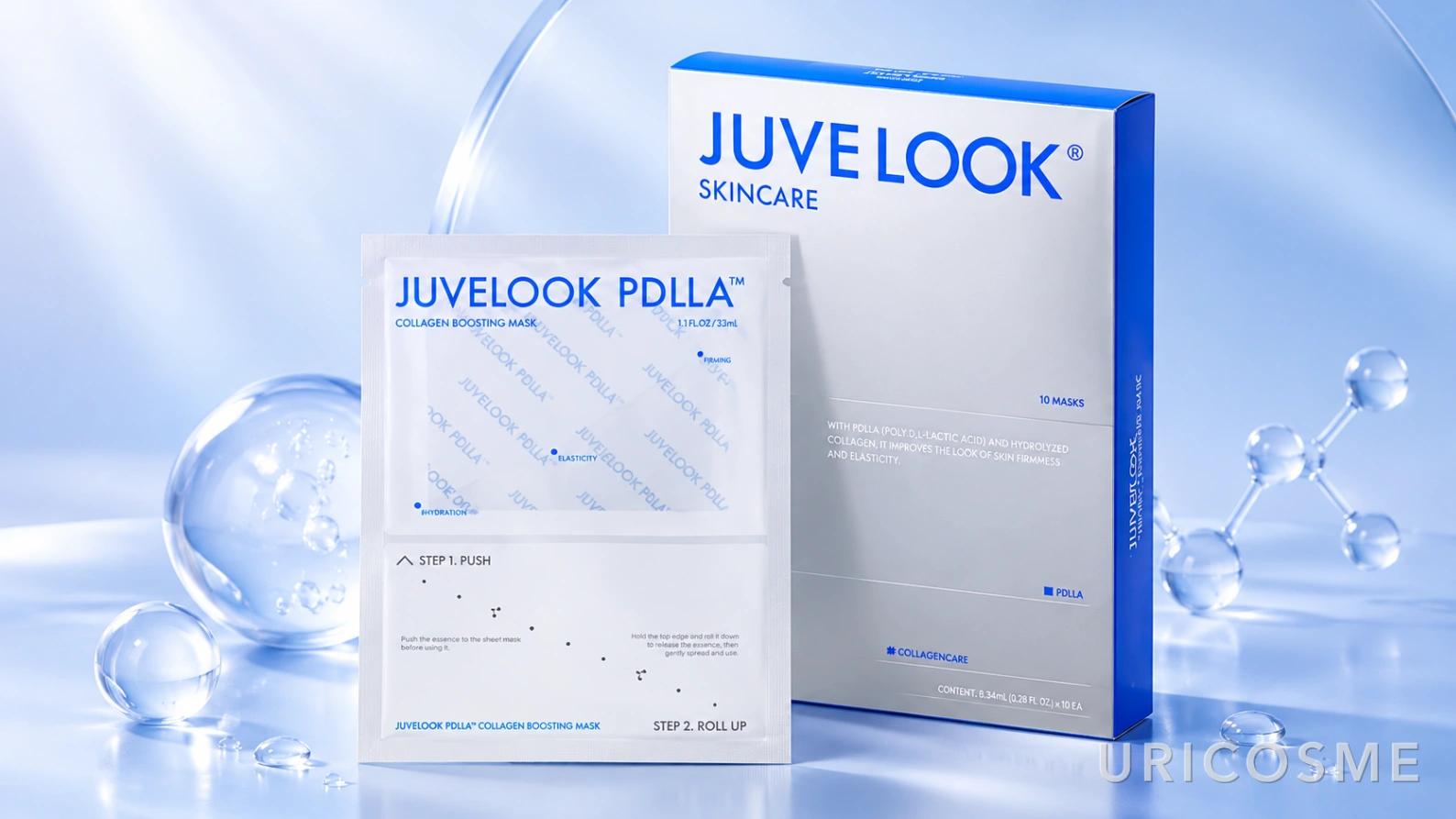
Juvelook PDLLA Collagen Boosting Mask: Mix Before Opening
Routine Guides • 2026-11-12
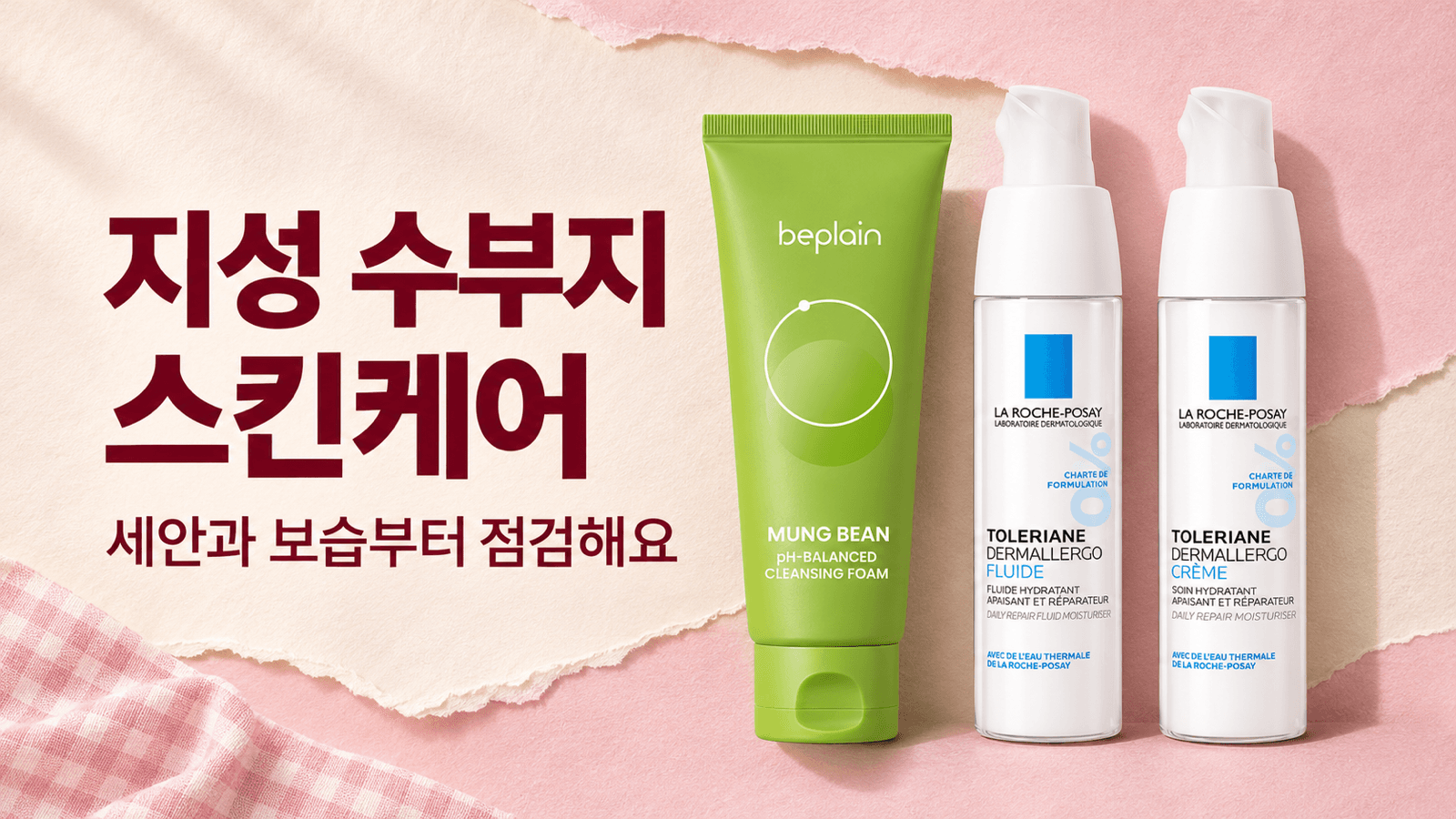
Oily but Tight? A Guide to Cleansing, Moisturizing and Choosing Skincare
Product Guide • 2026-10-27
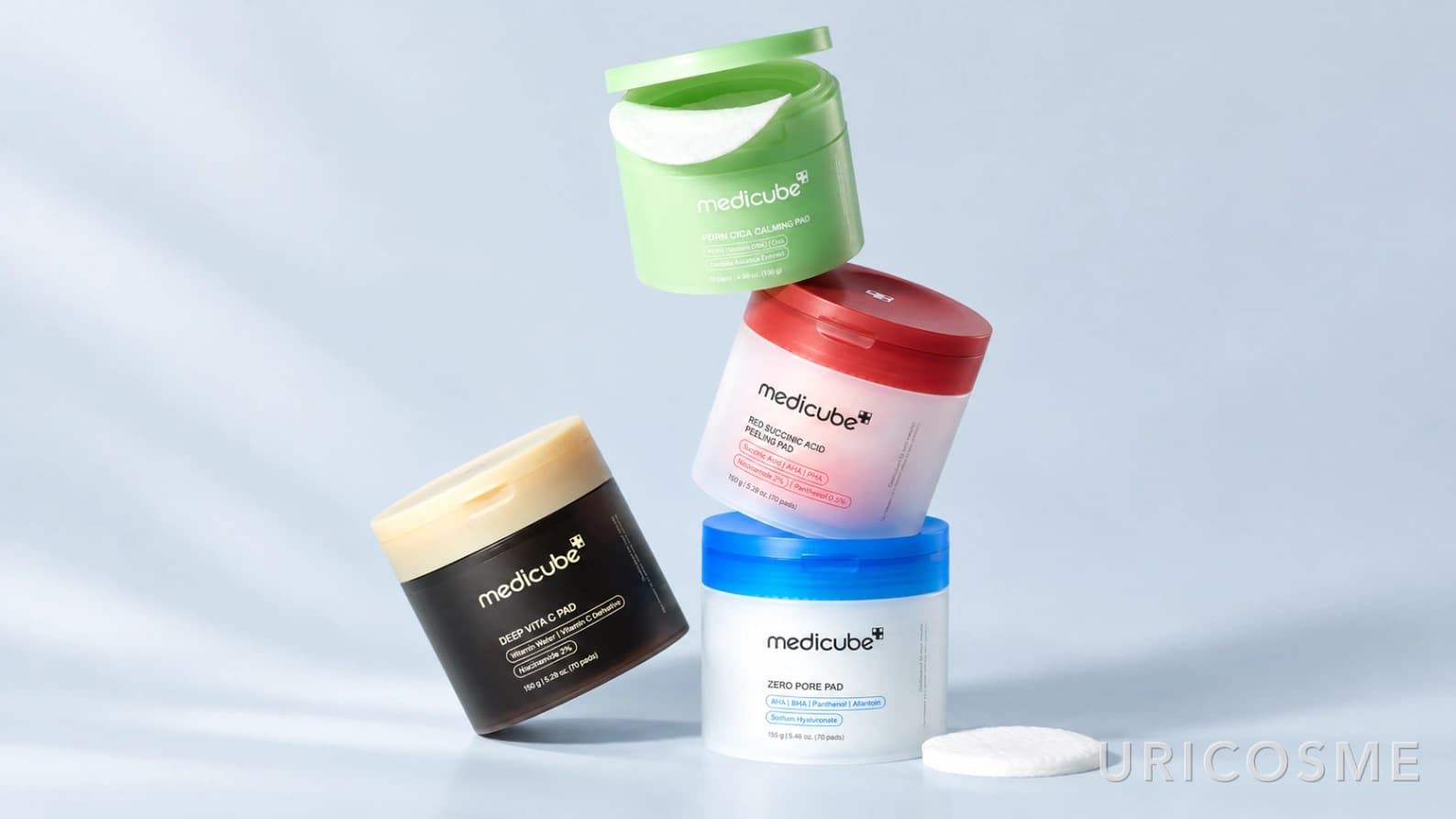
Three medicube Pads: Pore Care, Hydration or Skin Tone—Which Should You Choose?

Product Guide • 2026-07-30