What it is
PHA, or polyhydroxy acid, is a collective term for exfoliating acids with several hydroxyl groups. The compounds actually used are mostly gluconolactone and lactobionic acid; labels list those names, and PHA is the marketing term.
They loosen the bonds between dead cells the same way AHAs such as glycolic and lactic acid do, but their larger molecules penetrate slowly and irritate less. They also bind water and show antioxidant activity, so they appear in toners and pads that combine exfoliation with hydration. Over 150 Korean products use them.
Role in cosmetics
Gentle exfoliation
They loosen bonds between dead surface cells to smooth texture. Their large size keeps them from penetrating deep, so stinging and sun sensitivity are lower than with AHAs.
Hydration and antioxidant activity
Multiple hydroxyl groups let them act as humectants, and gluconolactone has reported antioxidant activity. That is why skin feels less dry after exfoliation.
Evidence and scope
Human studies show gluconolactone improving texture and fine lines in photodamaged skin, and comparative studies often cited show effects similar to glycolic acid with less irritation and sun sensitivity. Lactobionic acid also has studies on stratum corneum hydration and texture. Most are small studies of 4 to 12 weeks.
Concentration and formulation
Toners and pads use 1 to 5 percent, peels up to 8 to 10 percent. They work in mildly acidic formulas at pH 3.5 to 4.5 and are gentle enough for daily products. Gluconolactone or lactobionic acid near the top of the list signals a PHA-led exfoliant.
Cautions
Gentler than AHAs but still acids, so start at two to three times a week and avoid layering with retinol or other acids on the same day. Sun sensitivity is low, but keep using sunscreen during any exfoliation routine.
Similar ingredients
| Glycolic AcidGlycolic Acid | Glycolic acid is the smallest AHA, acting fast and strongly with irritation and sun sensitivity. PHA works in the same direction more slowly, making it the right first exfoliant for sensitive skin. |
| Salicylic Acid (BHA)Salicylic Acid | Salicylic acid is oil-soluble and reaches sebum inside pores, suiting acne-prone skin, while water-soluble PHA focuses on surface texture and hydration. Some products combine both. |
Frequently asked questions
How do I find PHA on a label?+−
PHA is not an ingredient name; look for gluconolactone or lactobionic acid. Either one means a PHA product.
Can I use it daily?+−
Many low-strength toners and pads are designed for daily use. Start at two to three times a week and increase as your skin allows.
Can I use it with AHA or BHA?+−
Combinations built into one product are designed to work together, but layering several acid products on the same day increases irritation.
Sources and review date
- CosIng 성분 정보: Gluconolactone / Lactobionic AcidEuropean Commission · 2025
- Polyhydroxy acids vs alpha hydroxy acids 비교 연구 (PubMed 검색)PubMed · 2024
Last reviewed 2026.09.23 · Next review 2027.03.23
Related products
View all products →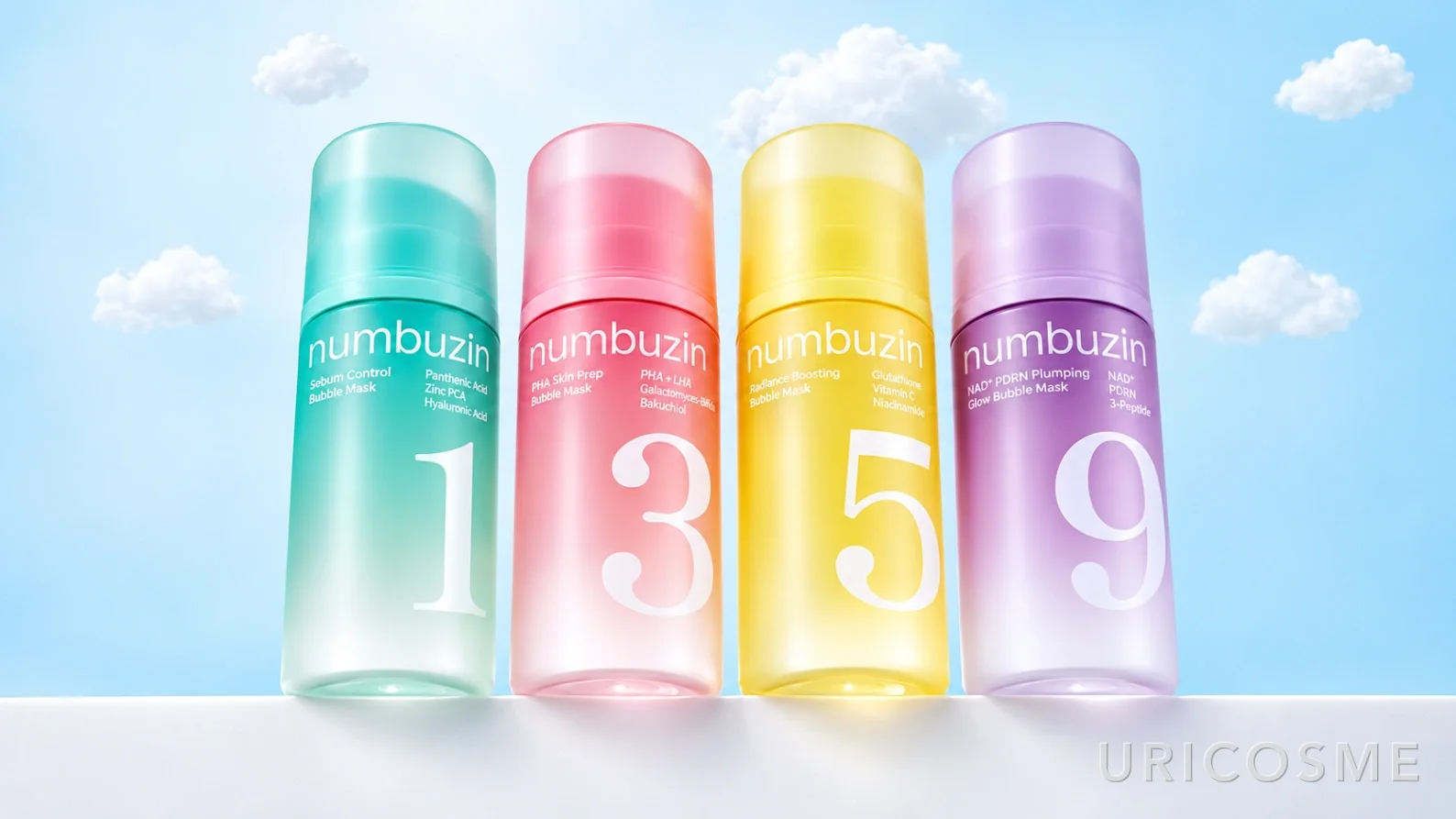


Related journal

Product Guide • 2026-11-21
Makeup for Dry Skin: Chanel and Prada Cushions, Where to Powder, and When to Add Color
Product Guide • 2026-11-16
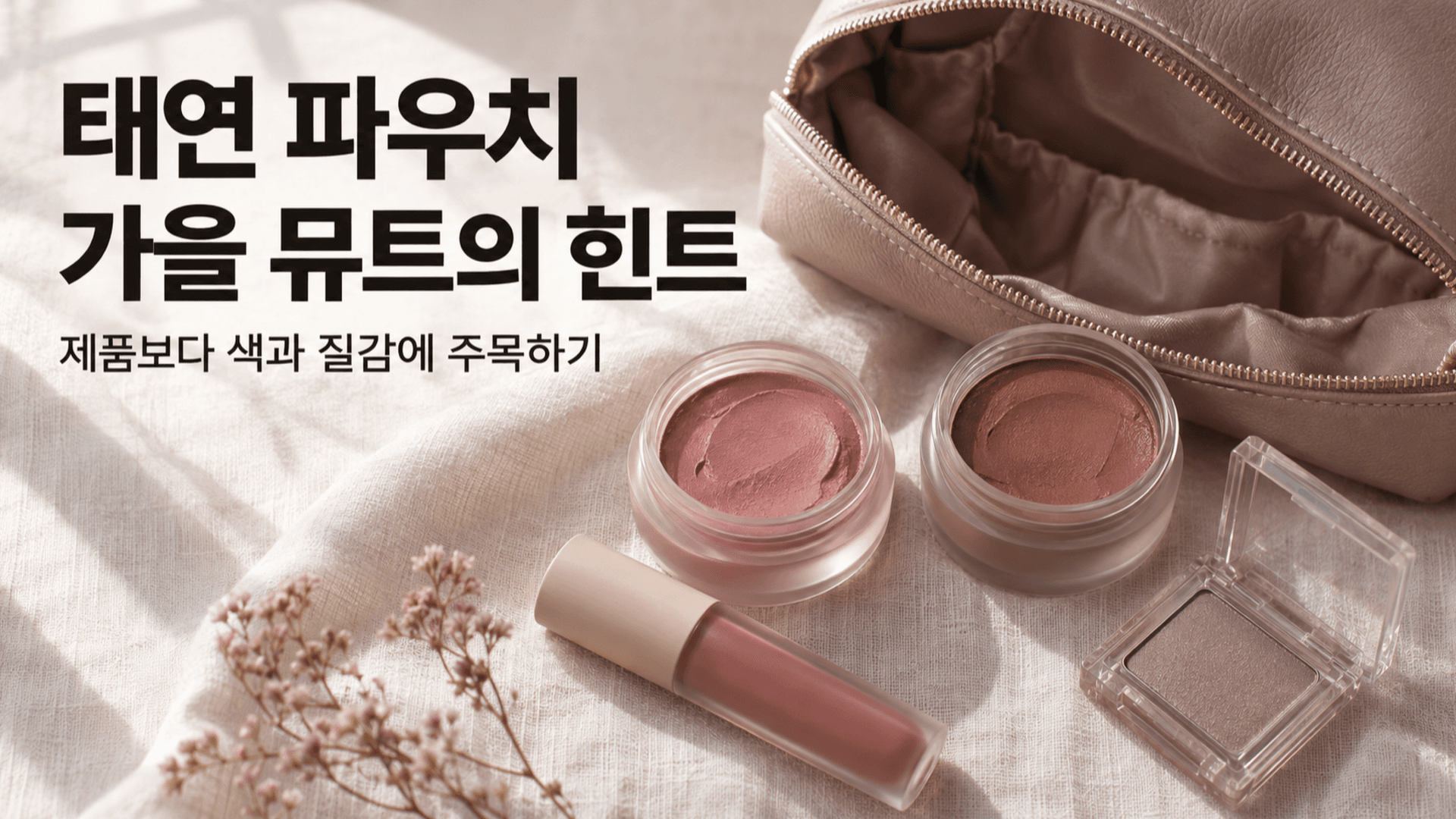
Taeyeon's Makeup Pouch: Muted Autumn Shades for Cool Undertones
Routine Guides • 2026-11-14
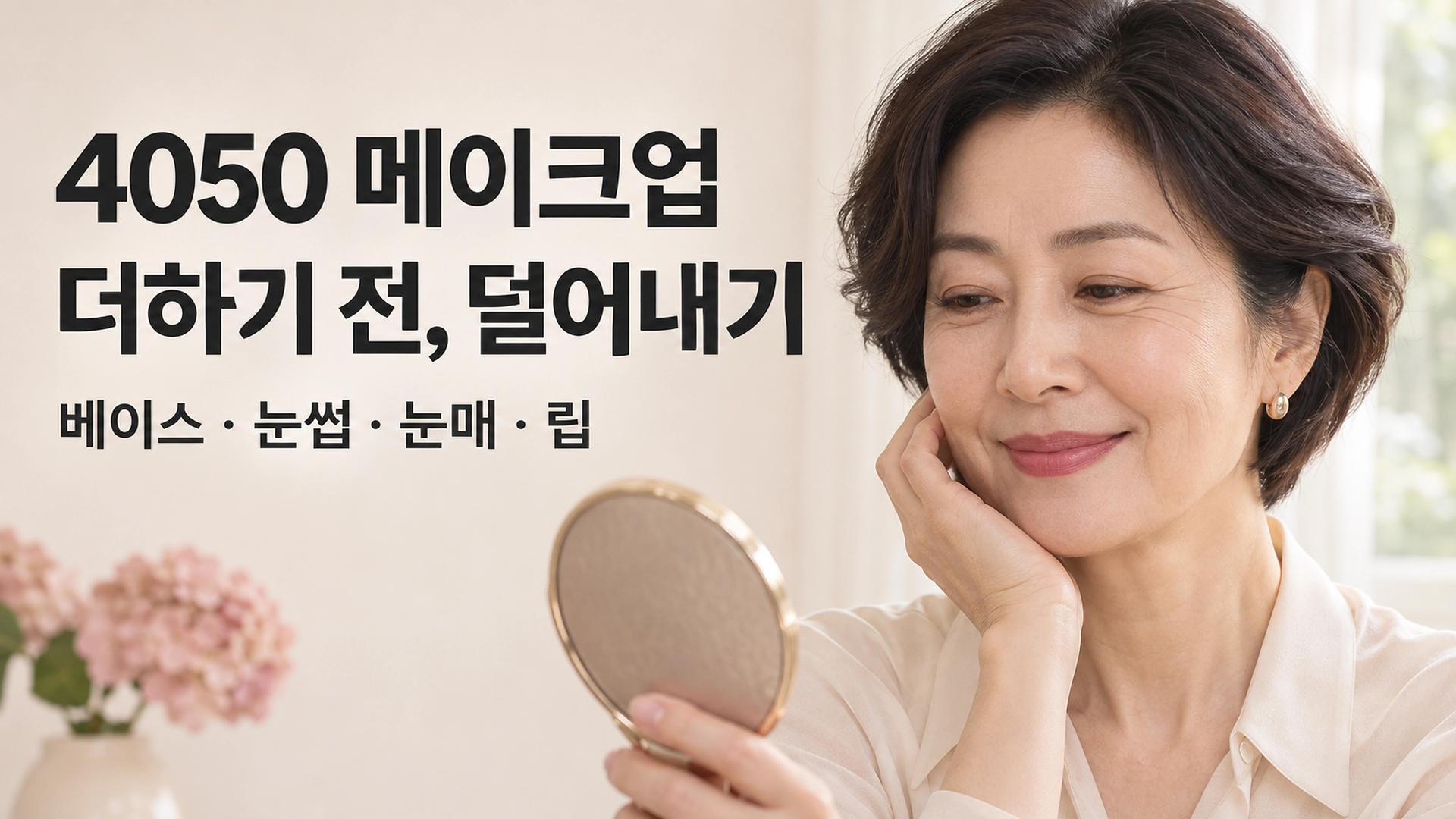
Makeup Mistakes in Your 40s and 50s—and How to Create a Softer Finish

Routine Guides • 2026-11-14