What it is
Salicylic acid is a beta hydroxy acid named after salicin from willow bark. Unlike AHAs it dissolves in oil, so it travels into sebum-filled pores to loosen dead cells, and it also has anti-inflammatory activity.
Korea recognizes it as a functional ingredient for acne-prone skin at 0.5 percent, which is also the limit for leave-on cosmetics (2 percent for rinse-off). It appears in 120 Korean products, in toners, pads, spot treatments and cleansers, and the concentration differs from the 2 percent products common in the US and Europe.
Role in cosmetics
Clearing inside pores
Oil solubility lets it mix with sebum and loosen cell bonds inside pores, which is why it is used for blackheads and clogged pores, unlike surface-acting AHAs and PHAs.
Easing acne-prone skin
Combined anti-inflammatory and exfoliating action reduces acne lesions in studies, the basis for its functional listing. It is a staple of spot treatments and acne toners.
Evidence and scope
Several randomized controlled studies show 0.5 to 2 percent salicylic acid reduces acne lesions and blackheads, and 2 percent products have been compared with benzoyl peroxide. Korea's 0.5 percent sits at the low end of that range, so the effect is gradual. The Cosmetic Ingredient Review considers it safe in current use with sun protection advised.
Classification in Korea and Japan
| Korea · Functional cosmetics | Japan · Quasi-drug | |
|---|---|---|
| Listed name | 살리실릭애씨드 (BHA) | サリチル酸 (BHA) |
| Category | Acne-prone skin | Not applicable |
| Concentration | 0.5% | — |
Concentration and formulation
Korean leave-on products cap at 0.5 percent and most use exactly that; rinse-off cleansers may use up to 2 percent. It works in acidic formulas at pH 3 to 4 and dissolves poorly in water, so alcohol or glycols often accompany it. Even near the top of the list it does not exceed 0.5 percent.
Cautions
Dryness and flaking are common, so start at two to three times a week. Avoid it with aspirin allergy, and guidance advises against high concentrations during pregnancy. Layering with retinol or AHAs on the same day increases irritation.
Similar ingredients
| Glycolic AcidGlycolic Acid | Glycolic acid is a water-soluble AHA acting on surface texture and tone, while salicylic acid is oil-soluble and works inside pores. Oily and acne-prone skin starts with BHA; dryness and tone concerns start with AHA. |
| Capryloyl Salicylic AcidCapryloyl Salicylic Acid | Capryloyl salicylic acid (LHA) is salicylic acid with a fatty chain attached to act more slowly with less irritation. It is not a Korean functional ingredient, so labeling differs. |
Frequently asked questions
Why are Korean BHA products only 0.5 percent?+−
The Korean cosmetic limit is 0.5 percent, and that level qualifies for the acne-prone skin functional claim. It is gentler than 2 percent products abroad but works more gradually.
Can I use it daily?+−
Many 0.5 percent toners and pads are made for daily use, but cut back to two to three times a week if dryness appears.
Is it safe during pregnancy?+−
Topical use at cosmetic levels is generally considered fine, but guidance advises against high-strength peels. Consult a clinician if concerned.
Sources and review date
- 기능성화장품 기준 및 시험방법 (식약처 고시): 살리실릭애씨드 (여드름성 피부 완화)식품의약품안전처 · 2024
- Safety Assessment of Salicylic Acid and Salicylates as Used in CosmeticsCosmetic Ingredient Review · 2019
Last reviewed 2026.09.23 · Next review 2027.03.23
Related products
View all products →


Related journal
Product Guide • 2026-11-12
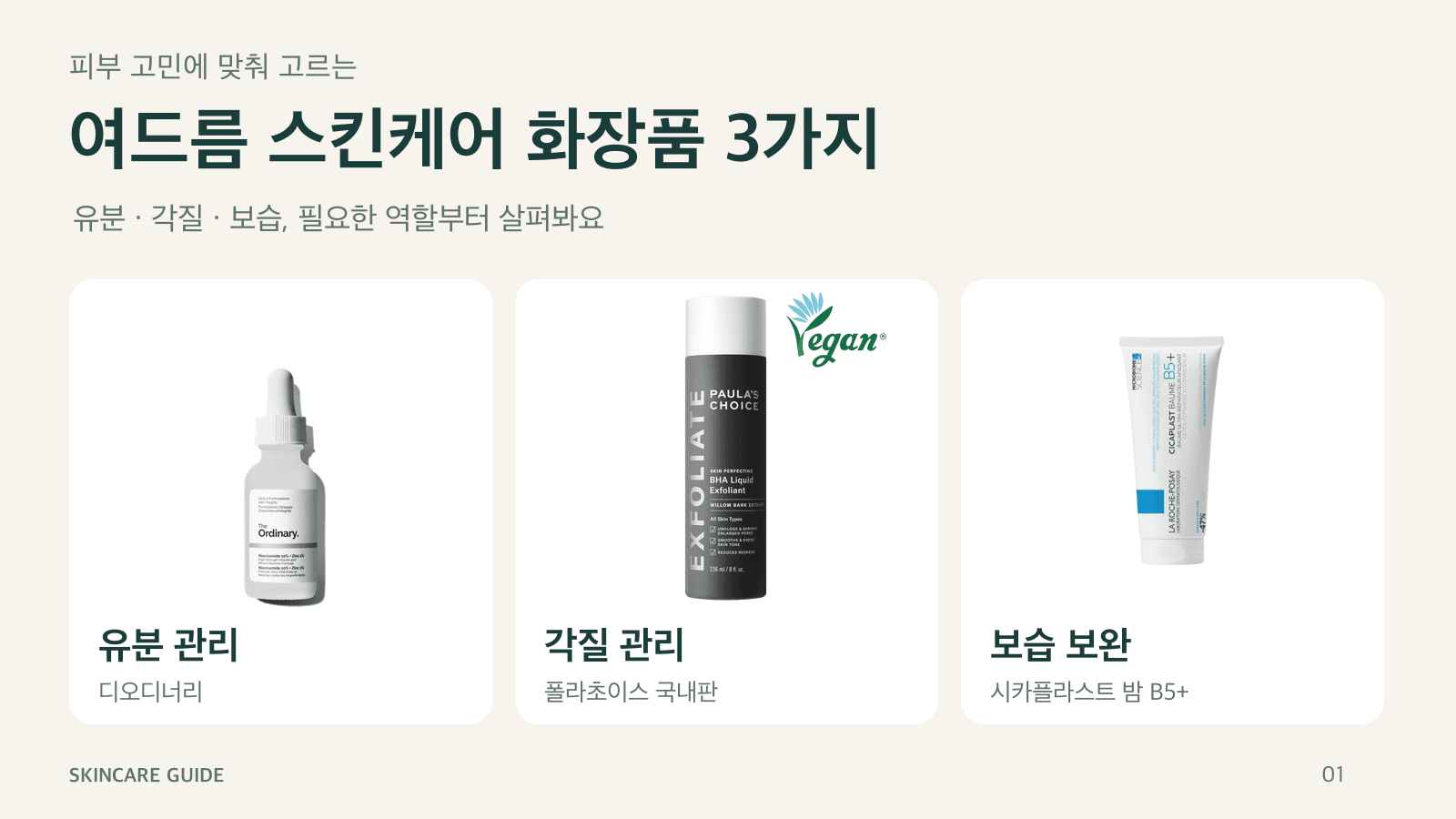
3 Skincare Picks for Acne-Prone Skin: Clogged Pores, Oiliness and Dryness
Product Guide • 2026-11-03
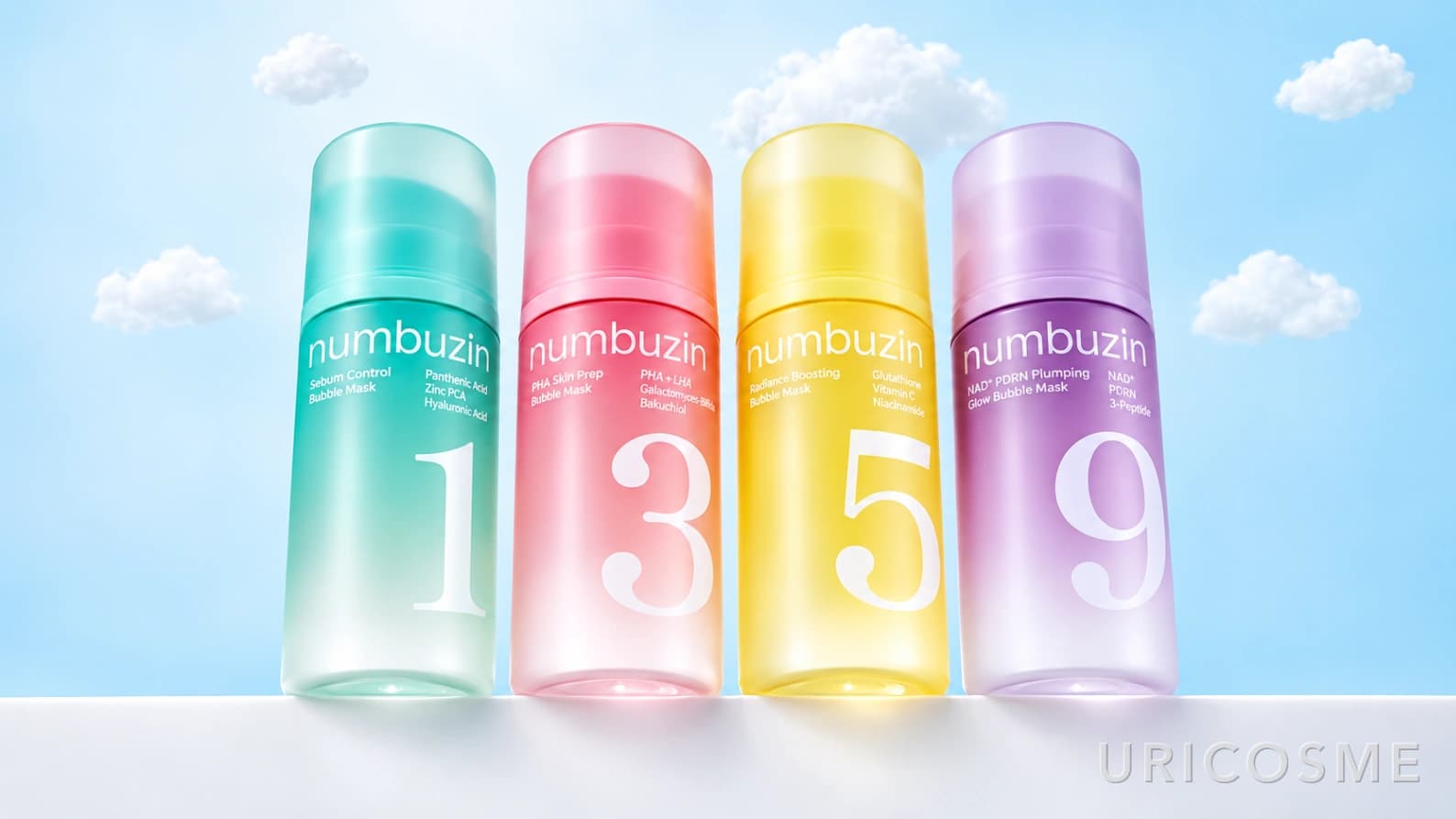
numbuzin Prep Bubble Masks No.1, 3, 5 and 9: How to Choose for Your Skin
Product Guide • 2026-10-27
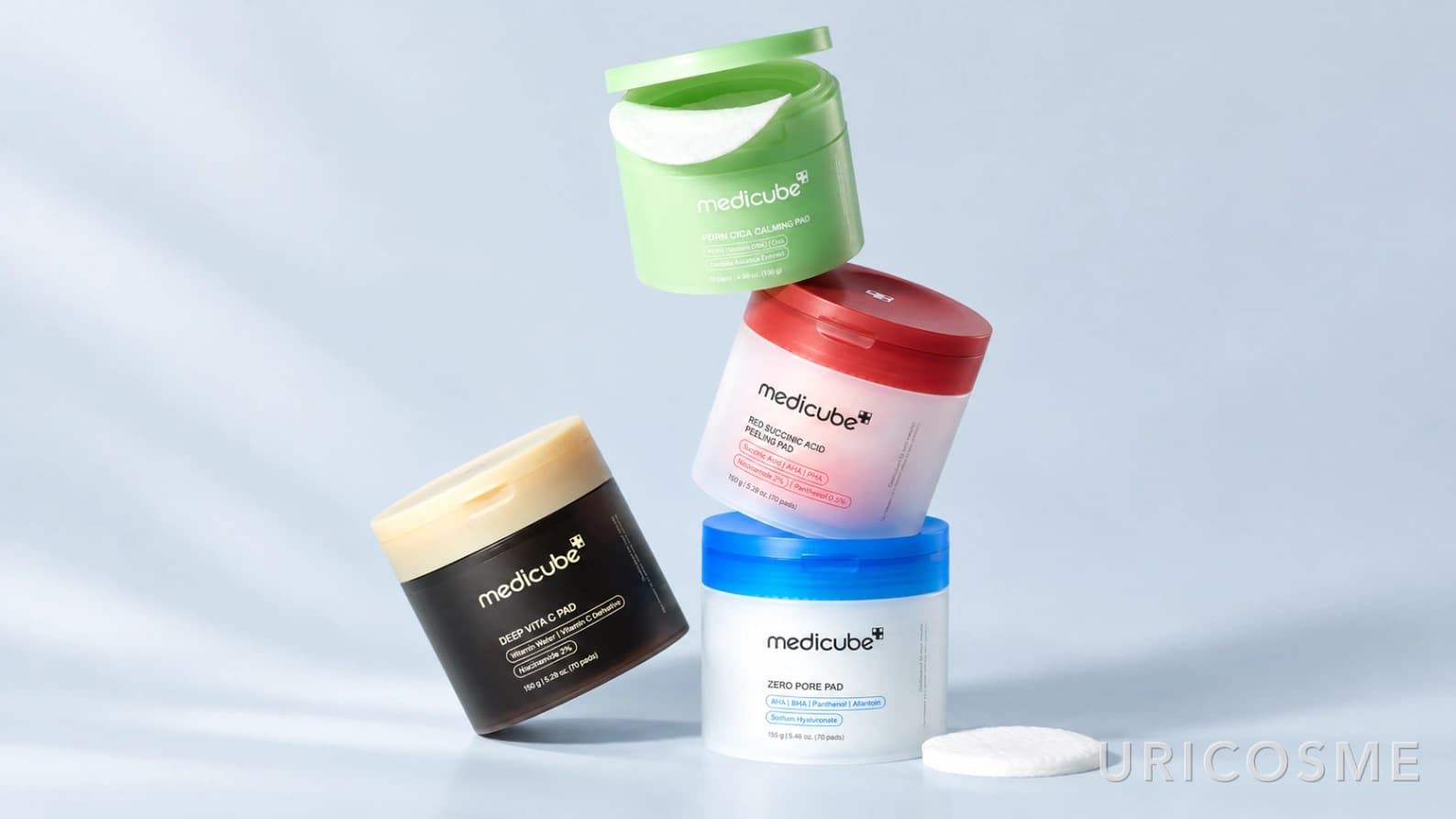
Three medicube Pads: Pore Care, Hydration or Skin Tone—Which Should You Choose?
Trend Report • 2026-09-28