Toasted Apricot Makeup: Soft Colour Pairings and Balanced Intensity
By URITRIP
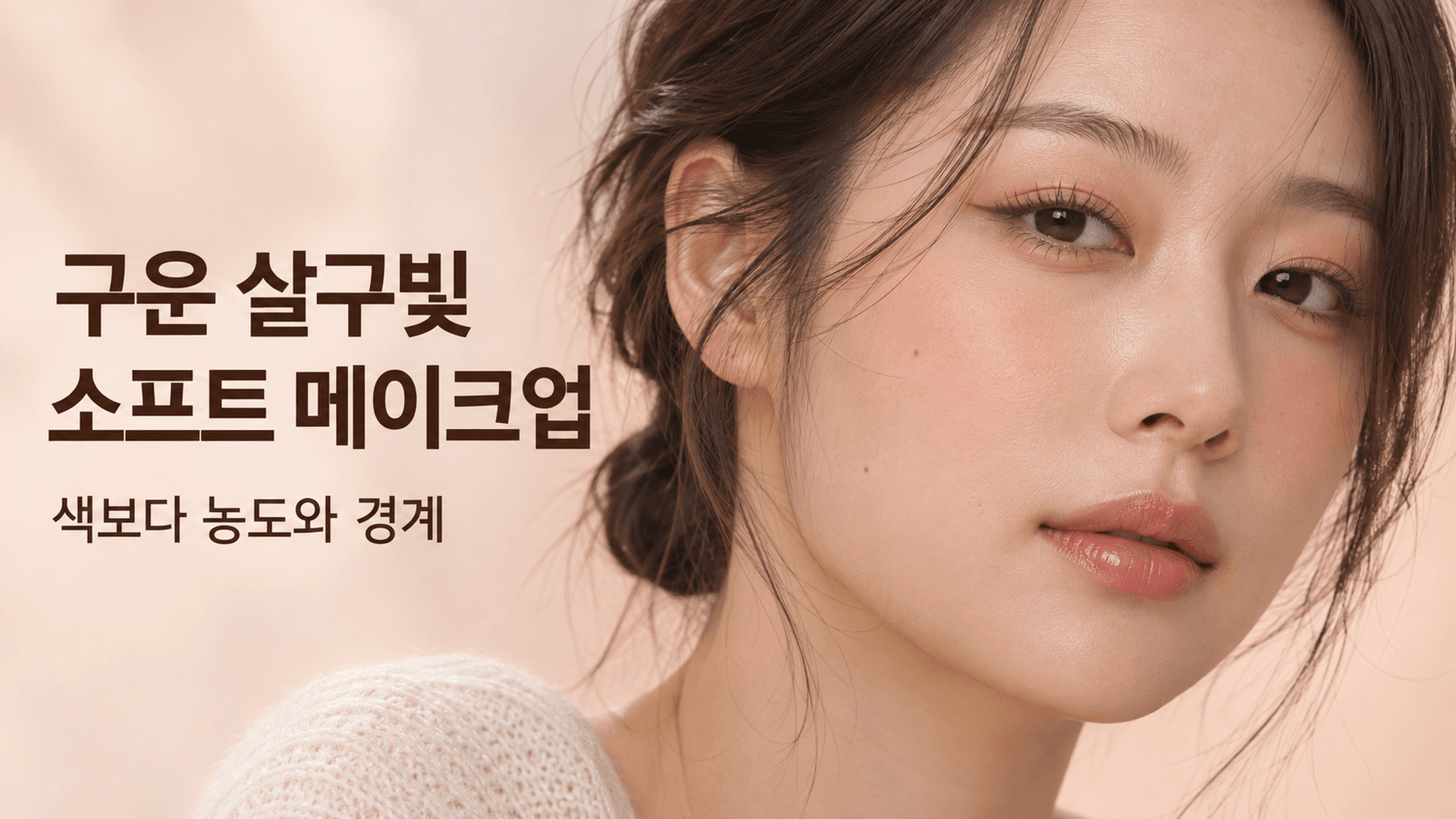
Apricot eyeshadow can look much more orange on your face than it does in the pan. Add brown in pursuit of an autumnal look, and the eye area can end up darker than you intended. A soft toasted apricot look takes more than layering peach and brown: try a sheer wash of light peach beige across the lids, with deep brown kept close to the lashes.
The key is the difference in intensity between your eyes, cheeks and lips. When all three are equally strong, even muted shades can look heavy. Give each area a different job: a light base and a little definition for the eyes, softly diffused colour for the cheeks, and slightly more noticeable colour and shine for the lips.
Think peach beige rather than vivid orange
“Toasted apricot” is a description of a look, rather than a standardised colour name. Think of a muted peach with beige or brown undertones, rather than a bright, punchy apricot. The same shade can look different on different skin tones, so a product name alone cannot tell you how the finished makeup will look.
HOLIKA HOLIKA My Fave Piece Eyeshadow in Grilled Peach is one reference for the base shade. The idea is to keep a hint of apricot without turning the whole lid orange. Add depth with Cinnamon Spice, then place a deep brown such as Cocoa Brûlée close to the lash line. Each shade has its own role.
You can also work with what you already own. Look for a light peach beige, a warm mid-tone brown and a deep brown to define the outer corners. As the colours get darker, reduce the area you cover instead of layering all three over the same space. Before buying another palette, try sorting your existing base and defining shades this way.
You do not need to be a Soft Autumn in seasonal colour analysis to try this combination. A description of the mood you want is different from a personal colour assessment. If yellow undertones feel too strong, try a base with some rosy beige. If grey undertones look dull on your skin, choose a clearer peach instead.
Even out the skin just enough to support the colour
Soft apricot will appear alongside any redness in your skin and the shade of your base makeup. That does not mean you need a lighter layer of foundation all over to make the colour show. Apply a thin layer of your usual base, then add coverage only where you need it, such as beneath the eyes or beside the nose.
Erborian CC Red Correct and HERA Creamy Cover Concealer in Porcelain are examples to consider for this kind of base. One CC formula will not suit every skin tone equally, and Porcelain will not be the right spot-concealing shade for everyone. Brightening an area and covering a mark with a close skin match call for different shade choices.
Once the base looks even enough, lightly powder only where needed and leave some natural sheen on the cheeks. A thick layer of powder where you plan to apply cream blush can make patchiness harder to manage. Start with small amounts and adjust to how your particular products layer together.
Keep the lid colour broad and sheer, the definition narrow and clear
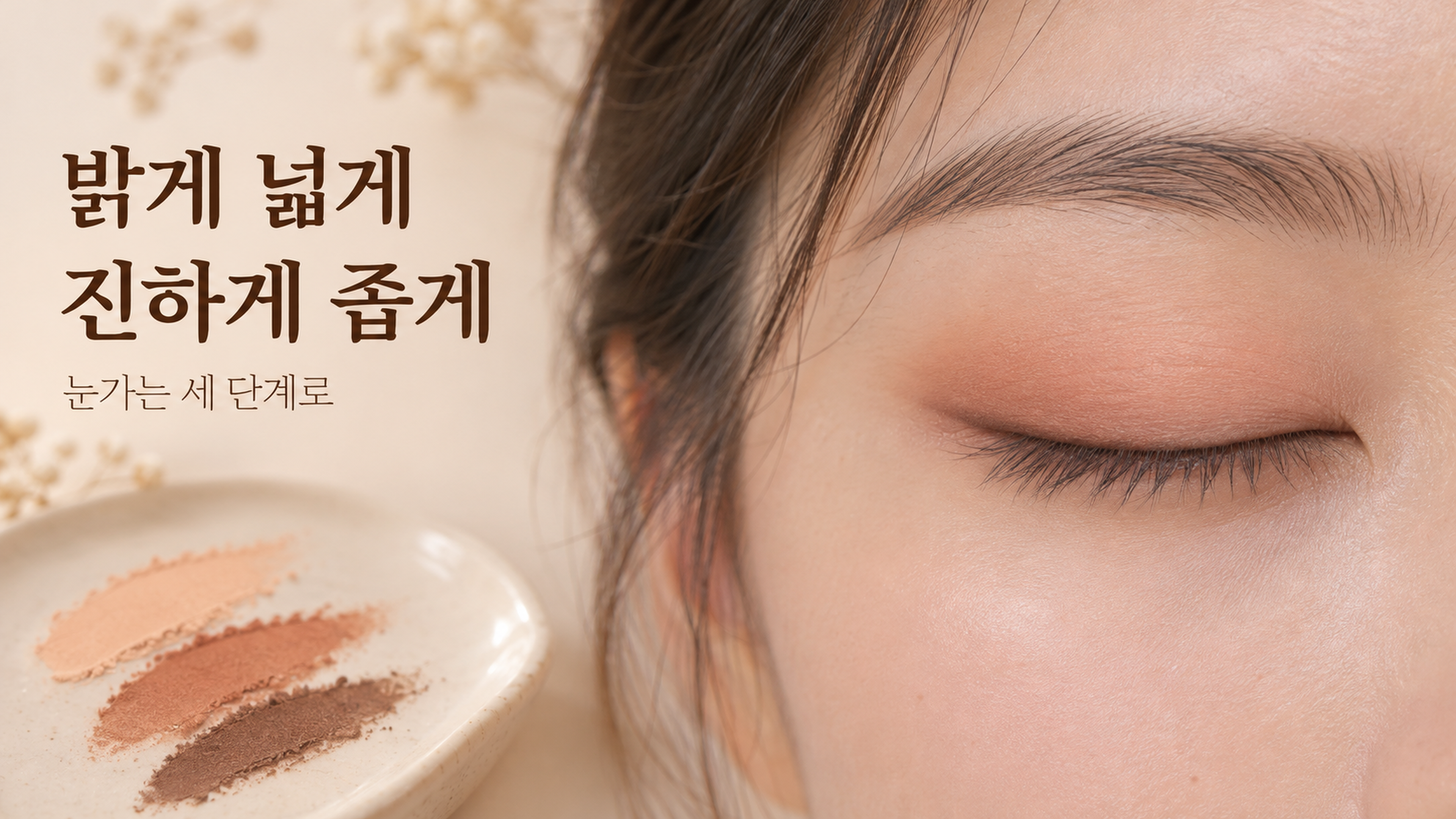
Start with the light base shade. Pick up a little of a colour such as Grilled Peach on your brush and sweep it over the lid. With your eyes open, soften the upper edge using a clean brush. Judge the placement by how much apricot you can see with your eyes open, rather than the size of the area with them closed. Lid shape and crease height affect how much colour shows.
Next, add the mid-tone shade towards the outer corner. With Cinnamon Spice, for example, start in a smaller area than the base and blend just enough to connect the edges. Covering the entire base with a deeper shade can erase that light apricot effect. Each time you add colour, step back from the small mirror and look at your whole face to decide when to stop.
Finally, use a fine brush to place a deep shade such as Cocoa Brûlée close to the lashes and at the outer corner. Keeping the darkest colour in a small area gives you both soft lid colour and a defined eye shape. If the shadow already provides enough definition, use eyeliner only to fill in indistinct areas rather than adding a thick line from end to end.
Soft does not mean every part has to look blurred. Blend the edge of the lid colour, but do not keep rubbing at the outer corner until it disappears. A narrow, clear line beside a broad, sheer wash helps the eyes look defined even from a distance.
Under-eye highlighting is about balance, not maximum brightness
If the upper-eye makeup is muted but a broad strip beneath the eye looks white, that lower area can draw attention first. For this soft apricot look, keep the colour beneath the eyes connected to the surrounding makeup. When highlighting the small fullness just below the lower lashes—often called aegyo-sal in Korean beauty—leave a difference between the brighter centre and the inner and outer ends.
A soft pink such as HOLIKA HOLIKA Creamed Berry is one reference, or you can use a peach beige you own that does not look chalky on your skin. Add only enough colour at the ends to connect with the shading above. If the area has already become too dark, lift away some excess and tidy it up rather than repeatedly adding bright shimmer on top.
Decide whether the under-eye area needs more brightness after looking at the whole face. Trying to finish it in isolation can leave you adjusting it again once blush and lip colour are on. Matching its brightness to the surrounding skin and eye makeup matters more than choosing the lightest product.
Link cheeks and lips through different levels of colour
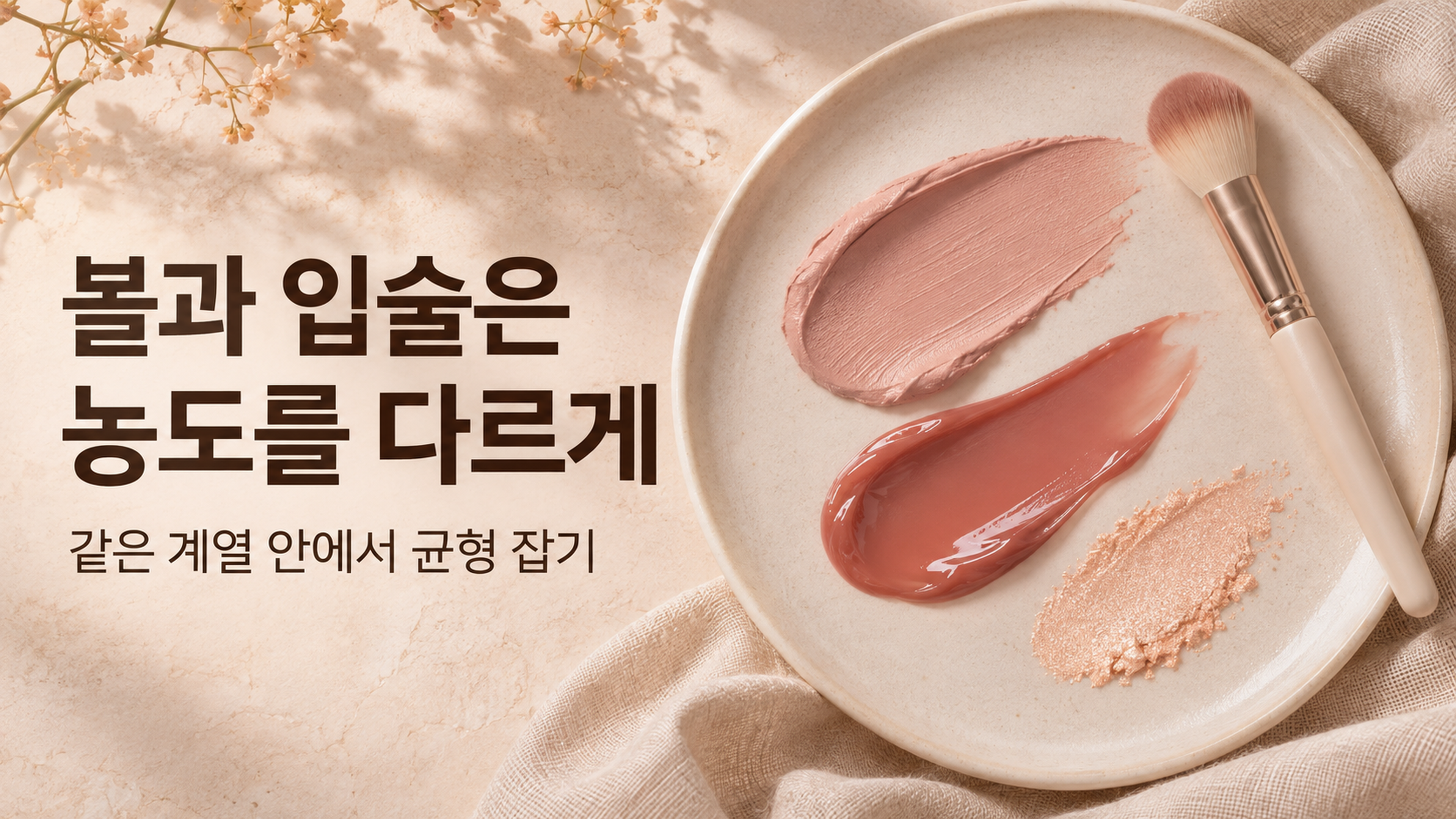
lilybyred Luv Beam Cheek Balm in Nutty Beam and BBIA Lucky Shine Tint in Lucky Nuts are one reference pairing for softly coordinated cheeks and lips. Shade names with a similar theme do not mean identical colours. A cream spread across the cheeks and a tint layered over your natural lip colour sit on different surfaces, cover different areas and reflect light differently.
Pick up a small amount of blush, tap it onto the cheeks and diffuse the edges into a thin layer. Finish your lips before deciding whether to add more blush; this makes the overall intensity easier to judge. Check that the cheek balm has spread evenly before building it up. If a brush or puff moves your base underneath, use less pressure and pick up less product at a time.
Begin with lip colour that reads a little more clearly than the blush. Apply it to the inner part of the lips first, tidy the outer edges, then check its visual weight in the whole face. There is no need to automatically overline or add a strong outline. If your cheeks already have plenty of colour, soften the lips; if the blush is barely there, let the lips be the focus.
Removing all shine from muted makeup can make it look drier than you intended. One option is to leave a little gloss on the lips and keep highlights on the skin small and selective. A warm peach shade such as espoir Strobing Highlighter in Peach Solar is a reference, but apply a thin layer only where you want light to catch, rather than sweeping it over a broad area. Turn your head slightly as well as looking straight ahead to judge how much it reflects.
Choose the role you need before choosing another product
Instead of replacing everything at once, identify one role missing from your current makeup. If your lids always end up too orange or too intense, a lighter base shade may help more than a darker brown. If you like the base but your eyes lack definition, a deeper shade used in a very small area may be the more useful addition.
| Role | Reference product and shade | What to adjust |
|---|---|---|
| Soft lid base | HOLIKA HOLIKA My Fave Piece Eyeshadow, Grilled Peach | Cover a broad area, keeping the colour sheer |
| Warm mid-tone shading | Cinnamon Spice from the same range | Keep it within a smaller area than the base |
| Deep colour close to the eyes | HOLIKA HOLIKA My Fave Piece Geltail, Cocoa Brûlée | Confine it to the outer corners and lash line |
| Muted colour for the cheeks | lilybyred Luv Beam Cheek Balm, Nutty Beam | Decide whether to build it up after finishing the lips |
| Glossy lip focus | BBIA Lucky Shine Tint, Lucky Nuts | Keep the colour slightly more noticeable than the blush |
| A small peach highlight | espoir Strobing Highlighter, Peach Solar | Focus on placement and amount rather than a large area |
This is not a shopping list you need to buy as a complete set. If you already have similar colours and textures, combine them by role. When choosing a shade, pay attention to what remains after blending it into a thin layer, as well as how it looks in a heavy swatch on the back of your hand.
For a soft autumnal look, keep watching the area taken up by your deepest shades. Preserving the peach base and keeping the brown in a small space makes it easier to define the eyes without losing that light apricot effect. If the makeup feels unfinished, decide which feature needs more definition before adding another colour.
Shop the eye and cheek products in this look
Affiliate disclosure: We may earn a commission from qualifying purchases through these OLIVE YOUNG Global links.
These links lead to the product ranges discussed above. Choose the exact shade in the product options; you do not need to buy every colour to try the technique.
Peach base and precise definition — HOLIKA HOLIKA My Fave Piece Eye Shadow
Look for Grilled Peach for the base, Cinnamon Spice for depth, Cocoa Brulee in the Geltail options for a narrow lash line, or Creamed Berry for the under-eye step. Each is a separate shade option on this page.
Soft cheek colour — lilybyred Luv Beam Cheek Balm — 15 Nutty Beam
Select [SINGLE] #15 Nutty Beam to match the shade discussed in the article. Start with a little and diffuse the edges before deciding whether to add more after your lip colour.
Check the shade name, single or set format, current stock and shipping to your country before ordering. Availability can differ by destination.