What it is
Squalene makes up around 10 percent of human sebum but oxidizes quickly in air. Adding hydrogen stabilizes it as squalane. It once came from shark liver oil; today olive, fermented sugarcane and rice bran are the usual sources. Olive squalane or vegetable squalane on labels is the same ingredient with its source named.
Its closeness to skin lipids gives a good absorbing feel, and being odorless and colorless it appears in oil serums, creams, lip products and hair oils. It is in 280 Korean products and sold as a single-ingredient oil.
Role in cosmetics
A light emollient
It coats the stratum corneum smoothly to reduce water loss without heaviness. Because it resembles sebum, it is the oil of choice even for oily skin.
Oil base for formulas
It does not go rancid and mixes well with other oils, so it serves as the base of creams and balms and as a solvent for oil-soluble actives.
Evidence and scope
Squalane has a strong safety record with almost no irritation or sensitization, and the Cosmetic Ingredient Review found it safe in current use. Studies show it reduces transepidermal water loss and softens the stratum corneum, but antioxidant and anti-ageing claims often borrow from squalene research and should be read with care.
Concentration and formulation
Creams use 2 to 10 percent; oil serums go up to 100 percent. It is among the easiest oils to store since it does not oxidize, and it stabilizes blends of several oils. Near the top of the list it means the oil base is squalane-centered.
Cautions
Irritation and allergy are rare and its pore-clogging potential is low. It is still an oil, so severe acne-prone skin should apply it thinly. Check for a plant-derived label if you want to avoid shark sources.
Similar ingredients
| Jojoba Seed OilJojoba Seed Oil | Jojoba oil is a wax ester resembling sebum with a slightly heavier feel. Squalane is lighter and never goes rancid, so it is often the first oil recommended to those new to oils. |
| Shea ButterShea Butter | Shea butter is semi-solid with strong occlusion, suited to dry skin. Squalane is a liquid oil with a quick-absorbing feel that works year-round. |
Frequently asked questions
Are squalane and squalene different?+−
Squalene is the unsaturated lipid naturally in skin; squalane is the hydrogenated version that does not oxidize. Cosmetics use the stable squalane.
Can oily skin use squalane?+−
Its similarity to sebum makes it a frequent recommendation for oily skin. Apply a small amount as the last step.
Is olive squalane different from sugarcane squalane?+−
Only the source differs; the final ingredient is the same. Higher purity means less odor and color.
Sources and review date
- CosIng 성분 정보: SqualaneEuropean Commission · 2025
- Safety Assessment of Squalane and Squalene as Used in CosmeticsCosmetic Ingredient Review · 2019
Last reviewed 2026.09.23 · Next review 2027.03.23
Related products
View all products →

Related journal
Product Guide • 2026-11-18
Juvelook PDLLA Collagen Boosting Mask: Mix Before Opening
Routine Guides • 2026-11-12
Oily but Tight? A Guide to Cleansing, Moisturizing and Choosing Skincare
Product Guide • 2026-11-03
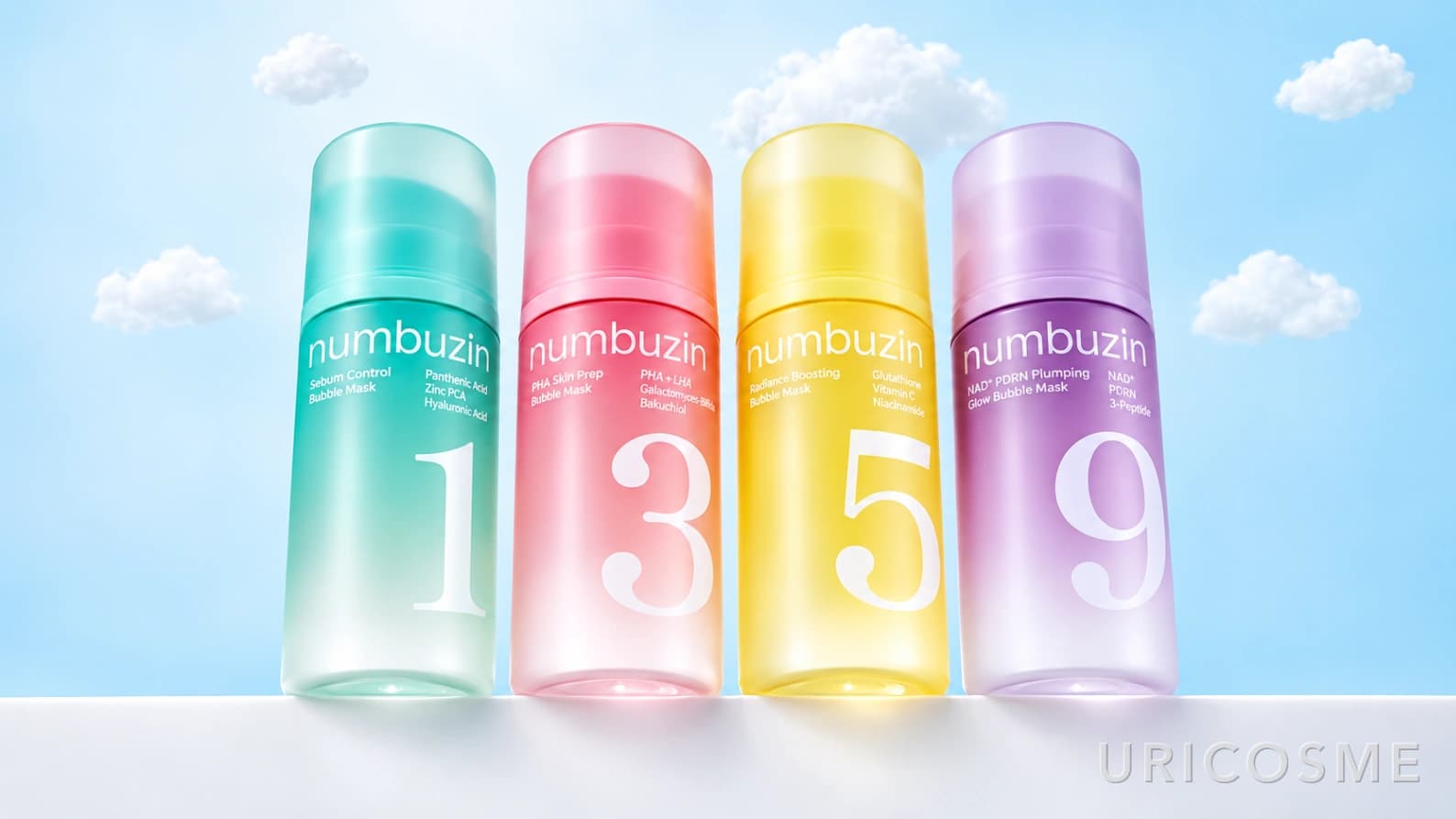
numbuzin Prep Bubble Masks No.1, 3, 5 and 9: How to Choose for Your Skin
Product Guide • 2026-10-22