What it is
Shea butter is the fat of West African shea tree seeds, rich in oleic and stearic acids and notable for a 5 to 10 percent unsaponifiable fraction of triterpene esters and vitamin E. Semi-solid at room temperature, it leaves a substantial film on skin.
Over 190 Korean products use it as the core fat of lip balms, hand creams, body butters and winter creams. It comes unrefined, with scent and color, or refined and odorless, and labels list it as shea butter or Butyrospermum parkii butter.
Role in cosmetics
Occlusive protection
It lays a thick lipid film on the stratum corneum that sharply cuts water loss, suiting cracked lips, dry hands and feet, and winter cheeks.
Calming and lipid replenishment
The unsaponifiable fraction has anti-inflammatory research, so it appears in products soothing dryness-sensitized skin, and its fatty acids replenish barrier lipids.
Evidence and scope
Human studies show shea butter reduces transepidermal water loss and improves roughness in dry skin, and cell studies support the anti-inflammatory activity of its unsaponifiables. The Cosmetic Ingredient Review found shea-derived ingredients safe in current use. Allergy concerns over latex-like proteins were raised, but reports with refined shea butter are rare.
Concentration and formulation
Creams use 2 to 10 percent; balms and body butters use 20 to 100 percent. Because it solidifies, facial creams keep it low to manage texture. Unrefined shea has more unsaponifiables but carries scent, while refined shea is odorless and colorless.
Cautions
Irritation and allergy are rare, but its richness makes thick facial application unwise for acne-prone skin. The link to nut allergy is weakly supported, though those with severe allergy can start small.
Similar ingredients
| SqualaneSqualane | Squalane is a light liquid oil; shea butter is a thick semi-solid. Squalane handles a light finish, shea handles occlusion and protection. |
| CeramideCeramide | Ceramides replenish the barrier lipids themselves, while shea butter lays a protective film on top. Winter barrier creams often combine both. |
Frequently asked questions
Is unrefined shea butter better?+−
It has slightly more unsaponifiables but carries scent and color and varies in quality. Most cosmetics use refined shea, and the moisturizing difference is small.
Can I put pure shea butter on my face?+−
A small amount is fine for very dry skin, but it is heavy for acne-prone skin. A cream with a modest shea level is the safer facial choice.
How does shea differ from cocoa butter?+−
Both are plant butters, but shea has more unsaponifiables and a lower melting point, so it spreads better on skin. Cocoa butter is harder and scented.
Sources and review date
- CosIng 성분 정보: Butyrospermum Parkii (Shea) ButterEuropean Commission · 2025
- Safety Assessment of Butyrospermum Parkii (Shea)-Derived IngredientsCosmetic Ingredient Review · 2019
Last reviewed 2026.09.23 · Next review 2027.03.23
Related products
View all products →


Related journal
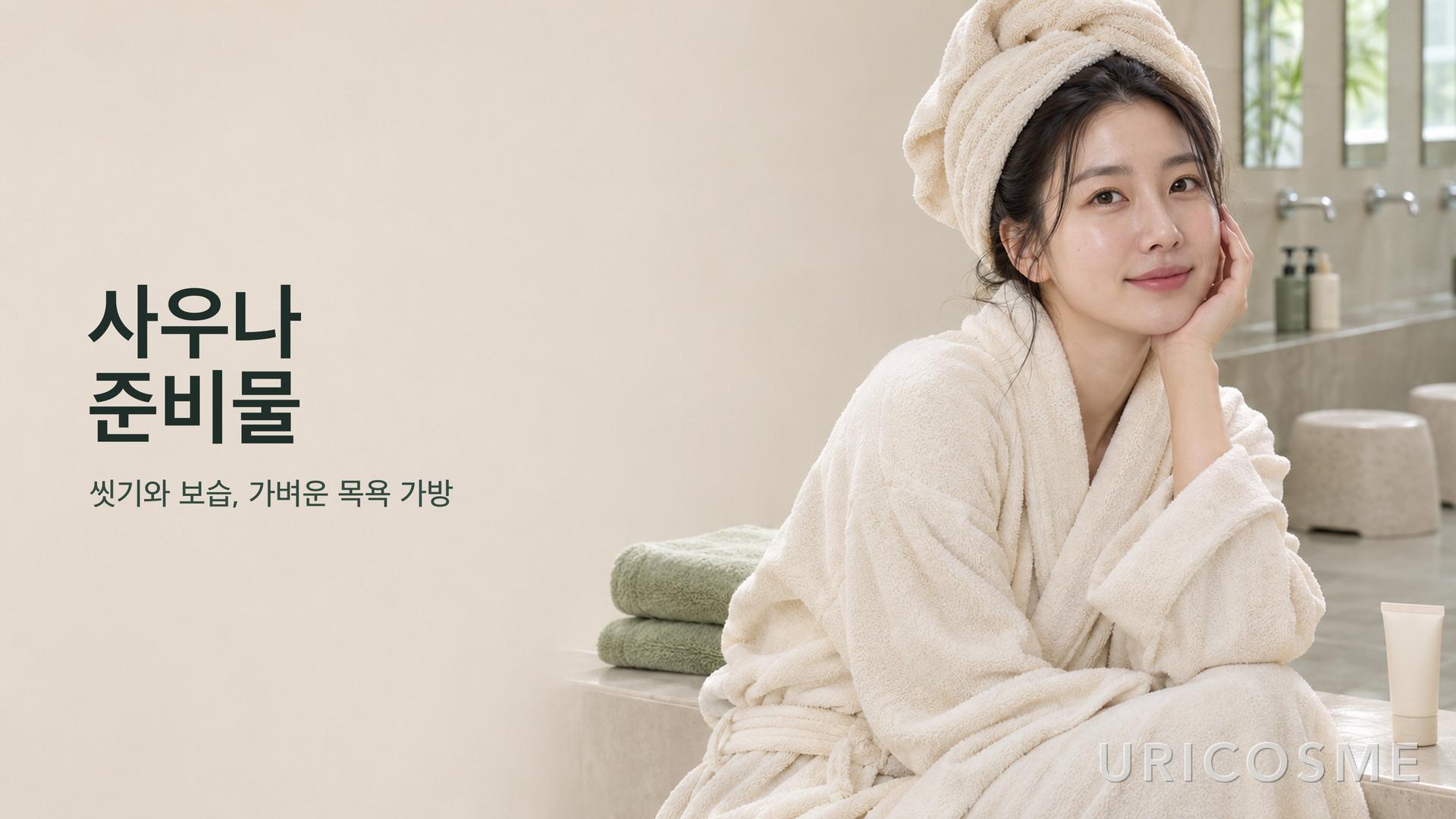
Product Guide • 2026-11-21
What to Pack for a Sauna Visit, from a Hair Wrap to Body Lotion
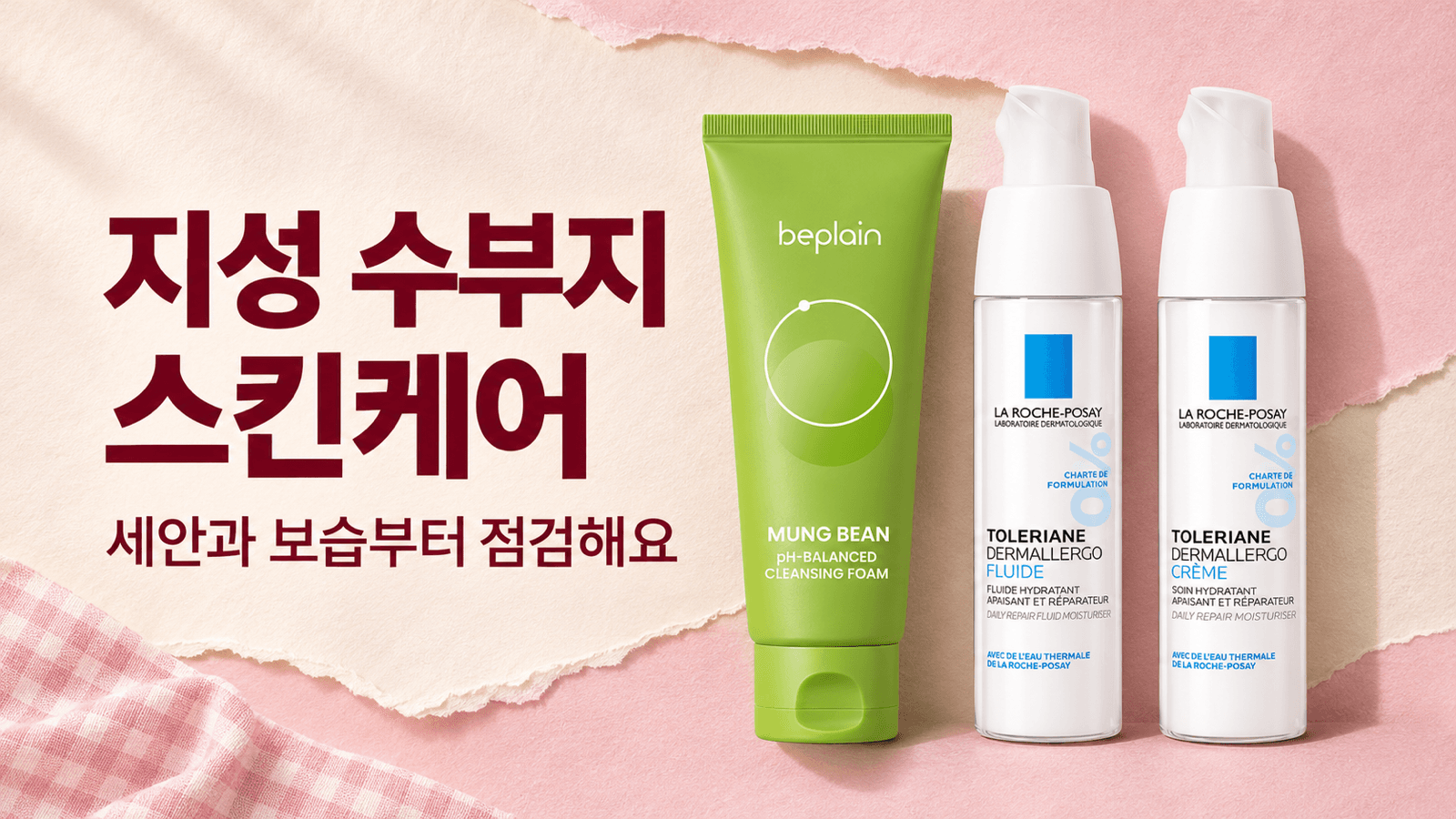
Routine Guides • 2026-11-12
Oily but Tight? A Guide to Cleansing, Moisturizing and Choosing Skincare
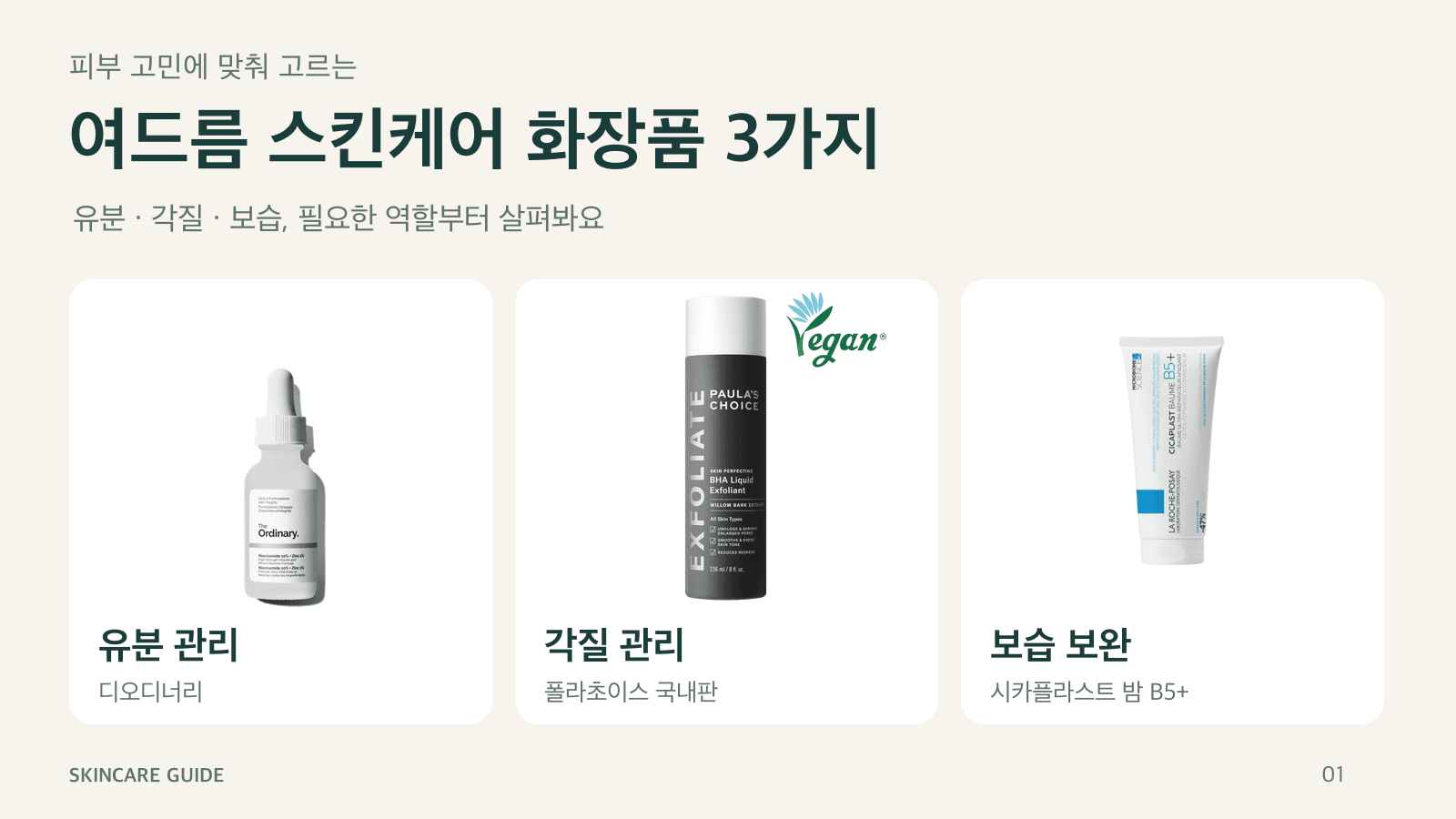
Product Guide • 2026-11-12
3 Skincare Picks for Acne-Prone Skin: Clogged Pores, Oiliness and Dryness
Product Guide • 2026-10-16