What it is
Acetyl glucosamine (NAG) is an amino sugar that forms hyaluronic acid and the material between stratum corneum cells, and it occurs naturally in skin. Cosmetic grades are made from crustacean chitin or by fermentation, with allergen-free fermented material now common.
It appears in 45 Korean products, in brightening serums, hydrating toners and exfoliating products. It became known through research showing strong pigmentation improvement when combined with niacinamide.
Role in cosmetics
Evening tone
Research shows it interferes with maturation of the melanin-producing enzyme, so it is used in brightening products. The human study showing a stronger effect combined with niacinamide is the best known.
Hydration and texture
As material for hyaluronic acid synthesis it supports stratum corneum hydration, and studies show it softens cell bonds to refine texture. It is presented as a non-acid, non-irritating way to address dead cells.
Evidence and scope
A randomized controlled study found 2 percent acetyl glucosamine with 4 percent niacinamide reduced pigmentation after 8 weeks, and used alone it shows increased hyaluronic acid synthesis and stratum corneum hydration. The evidence base is smaller than niacinamide's.
Concentration and formulation
1 to 4 percent is typical, and many products pair it with niacinamide at roughly 1:2. Water-soluble, it fits toners and serums and is stable at pH 5 to 7.
Cautions
Irritation and allergy are rare. Crustacean-derived material calls for a patch test in shellfish allergy, while fermented material carries no such concern.
Similar ingredients
| NiacinamideNiacinamide | Niacinamide slows melanin transfer while acetyl glucosamine interferes with enzyme maturation, different steps. A study found the combination outperformed either alone, so many products include both. |
| Hyaluronic AcidHyaluronic Acid | Hyaluronic acid is the finished hydrating molecule; acetyl glucosamine is its raw material. The approach is helping skin make its own hyaluronic acid. |
Frequently asked questions
Should I avoid it with a shellfish allergy?+−
Material made from crustacean chitin calls for a patch test, but fermented material is unrelated. The source varies by product.
Is it the same as oral glucosamine?+−
It is the same family as the joint supplement but with an acetyl group, and topical and oral actions differ.
Does it exfoliate?+−
It does not peel like an acid; it gently softens cell bonds to refine texture. Treat it as a mild texture-refining support.
Sources and review date
- CosIng 성분 정보: Acetyl GlucosamineEuropean Commission · 2025
- N-acetyl glucosamine + niacinamide 색소 침착 임상 연구 (PubMed 검색)PubMed · 2024
Last reviewed 2026.09.23 · Next review 2027.03.23
Related products
View all products →


Related journal

Routine Guides • 2026-11-16
Toasted Apricot Makeup: Soft Colour Pairings and Balanced Intensity
Product Guide • 2026-11-16
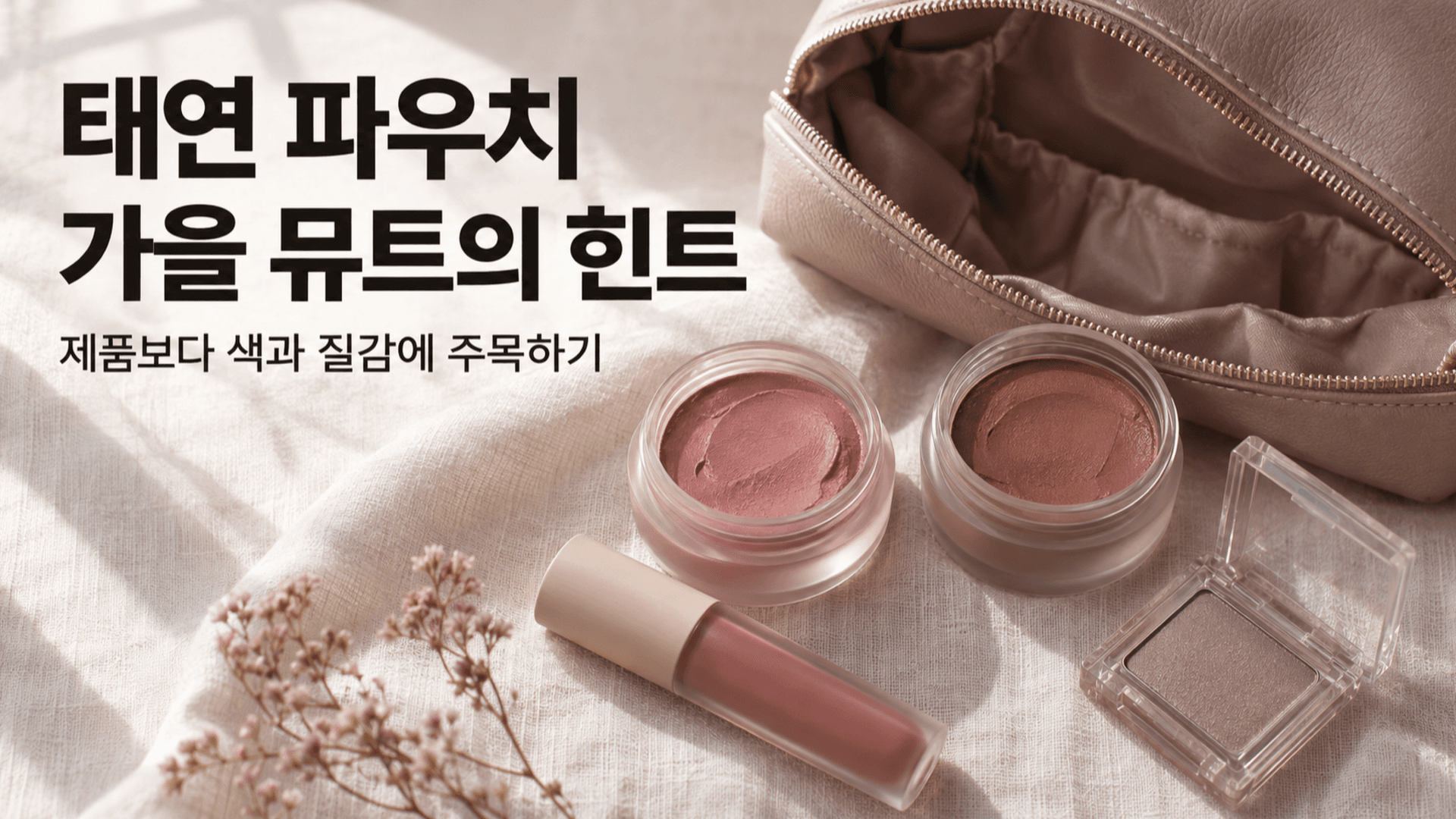
Taeyeon's Makeup Pouch: Muted Autumn Shades for Cool Undertones

Routine Guides • 2026-11-14
When Makeup Looks Heavy in Your 40s and 50s: 7 Habits to Rethink

Routine Guides • 2026-11-10