What it is
Bakuchiol is a meroterpene from the seeds of babchi (Psoralea corylifolia), a traditional Indian herb. Its chemical structure is unrelated to retinol, but cell studies showed retinol-like changes in gene expression, earning it the nickname plant retinol. It is stable in light and across pH and does not cause sun sensitivity, so it can be used in the daytime.
It appears in 21 Korean products, in anti-ageing serums, retinol alternatives for sensitive skin and products designed with pregnancy in mind. It is not a listed Korean anti-wrinkle ingredient.
Role in cosmetics
Retinol-alternative anti-ageing
Research showing retinol-like direction in collagen synthesis and turnover-related gene expression supports its use for fine lines and texture. With no irritation or sun sensitivity, it is recommended for skin that cannot use retinol.
Antioxidant and calming
Antioxidant and anti-inflammatory activity are also reported, suiting gentle daily anti-ageing serums. It is also added alongside retinol to improve retinol's stability.
Evidence and scope
The defining evidence is a 12-week randomized study comparing 0.5 percent bakuchiol with 0.5 percent retinol, which found similar wrinkle and pigmentation improvement with less irritation and flaking for bakuchiol. The study is small and long-term data are lacking, so the evidence does not match retinol's.
Concentration and formulation
0.5 to 1 percent is typical, with 0.5 percent the studied level. Oil-soluble, it goes in the oil phase of serums and creams, and its light and pH stability allows morning use. Data suggest it slows retinol's breakdown when formulated together.
Cautions
Irritation and allergy are rare, making it a recommended retinol alternative for sensitive skin. Safety in pregnancy has not been specifically established, though it is often chosen as a non-retinoid alternative; consult a clinician if concerned.
Similar ingredients
| RetinolRetinol | Retinol has deep evidence and clear effects but brings irritation and sun sensitivity. Bakuchiol works in a similar direction without irritation but with thinner evidence and gentler effects. |
| AdenosineAdenosine | Adenosine is another gentle, non-irritating anti-ageing ingredient and a Korean anti-wrinkle functional ingredient. Bakuchiol is unlisted, but its retinol-like mechanism is its strength. |
Frequently asked questions
Is bakuchiol really as effective as retinol?+−
A 12-week comparison found similar results, but studies are few, so its evidence does not match retinol's. Treat it as an alternative for skin that cannot use retinol.
Can I use it during pregnancy?+−
It is often chosen as a non-retinoid alternative, but pregnancy safety has not been separately established. Consult a clinician if concerned.
Can I use it with retinol?+−
Yes. Data suggest it improves retinol's stability when combined, and irritation does not increase.
Sources and review date
- CosIng 성분 정보: BakuchiolEuropean Commission · 2025
- Bakuchiol vs retinol 무작위 비교 연구 (PubMed 검색)PubMed · 2024
Last reviewed 2026.09.23 · Next review 2027.03.23
Related products
View all products →


Related journal
Product Guide • 2026-10-30
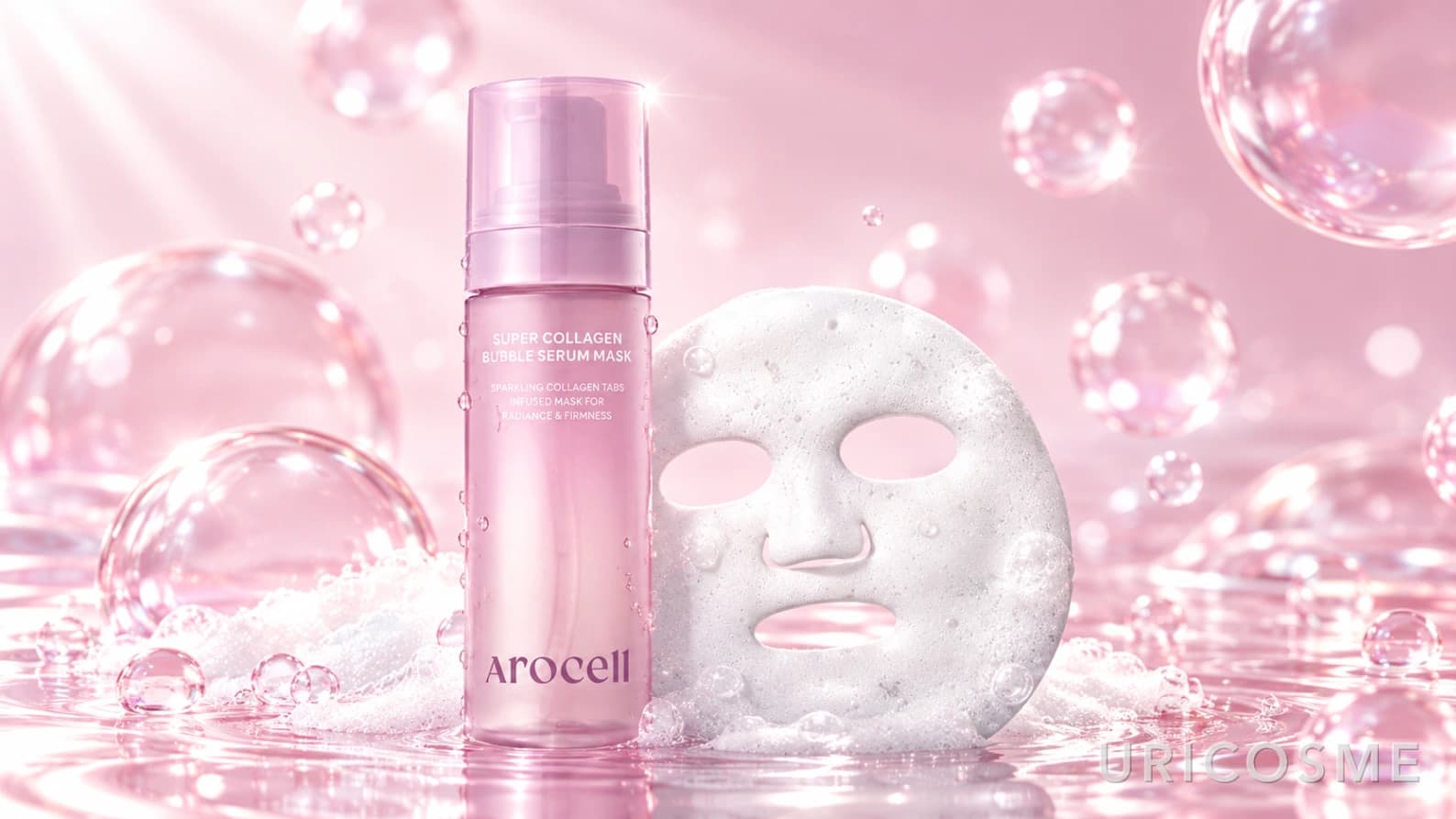
AROCELL Super Collagen Bubble Serum Mask: From First Opening to Daily Use
Product Guide • 2026-08-21
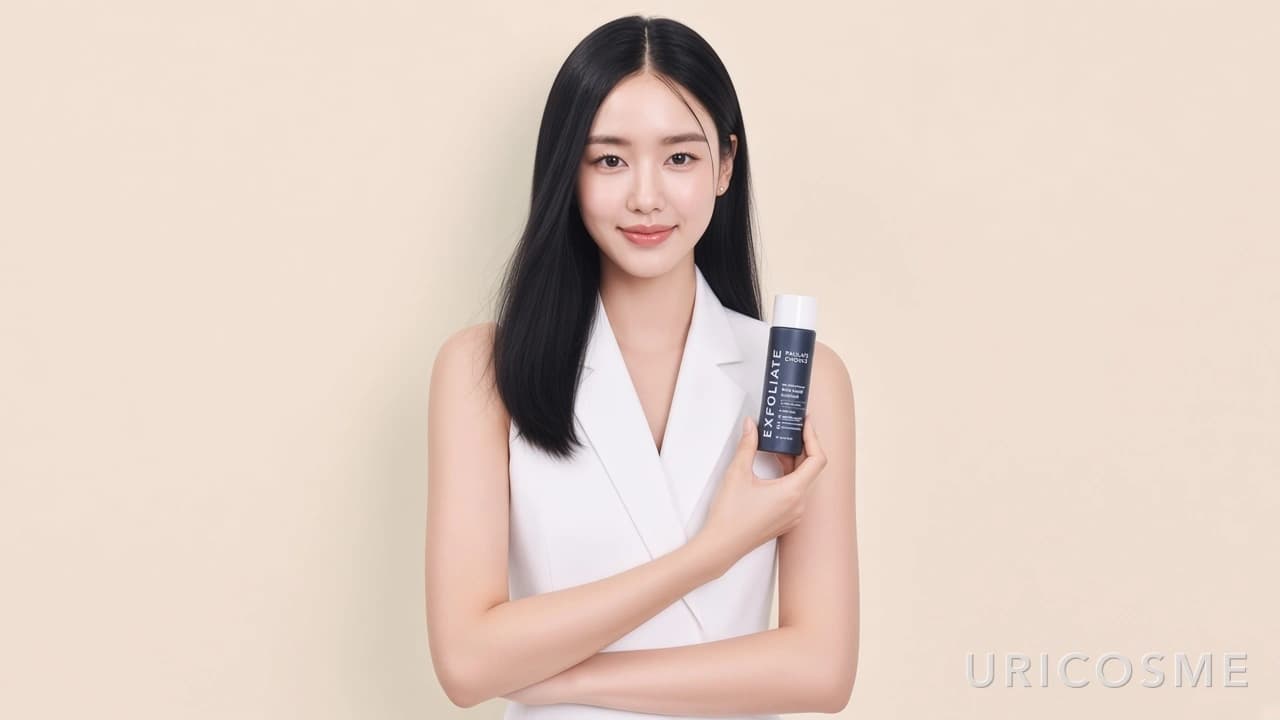
Exfoliating & Pore Care That Speaks in Ingredients: PAULA'S CHOICE Core Product Guide
Product Guide • 2026-07-20
Five Daiso Korea summer beauty picks for ₩20,000
Routine Guides • 2026-07-01