What it is
Retinol is vitamin A itself, converted in skin through retinal into the active retinoic acid. It is weaker than the drug tretinoin (retinoic acid) but works in the same direction, and among cosmetic ingredients it has the strongest evidence for wrinkle and texture improvement.
Korea recognizes it as an anti-wrinkle functional ingredient at 2,500 IU/g (about 0.075 percent), and Japan approved pure retinol as an anti-wrinkle active in 2017. Sensitive to light and air, it relies on airless packaging and encapsulated material, and appears in over 70 Korean products.
Role in cosmetics
Wrinkles and texture
It speeds cell turnover and increases dermal collagen synthesis, improving fine lines and rough texture. The clear effect comes with early redness, flaking and dryness known as retinization.
Tone and pores
It evens melanin distribution and acts on sebaceous glands, so it is also used for uneven tone, pores and acne, addressing photoaging broadly.
Evidence and scope
Several randomized controlled studies show retinol at 0.1 to 1 percent improving wrinkles, roughness and pigmentation in photoaged skin, including long-term studies over 24 weeks. It is one of the few cosmetic ingredients with dermal changes confirmed by biopsy. The Cosmetic Ingredient Review found it safe in current use.
Classification in Korea and Japan
| Korea · Functional cosmetics | Japan · Quasi-drug | |
|---|---|---|
| Listed name | 레티놀 | レチノール |
| Category | Anti-wrinkle | Anti-wrinkle |
| Concentration | 2,500 IU/g | Set per approved formula |
Concentration and formulation
The Korean functional level is 2,500 IU/g, and general products range from 0.01 to 1 percent. The standard approach starts at 0.1 percent two to three nights a week and increases with tolerance. Airless packaging and encapsulation help stability, and sunscreen is essential.
Cautions
Early redness, flaking and dryness are common, and increased sun sensitivity requires daytime sunscreen. Guidance generally advises avoiding it during pregnancy and breastfeeding. Layering with AHAs, BHAs or pure vitamin C on the same day increases irritation.
Similar ingredients
| BakuchiolBakuchiol | Bakuchiol is a plant ingredient shown to trigger gene expression similar to retinol without irritation or sun sensitivity. Its evidence is thinner, so it serves as an alternative for skin that cannot use retinol. |
| AdenosineAdenosine | Adenosine is another Korean anti-wrinkle functional ingredient but non-irritating and gentler. Many functional products combine the two. |
Frequently asked questions
How do I convert retinol IU to percent?+−
1 mg of retinol is about 3,333 IU, so 2,500 IU/g is about 0.075 percent. Korean functional products are based on this level.
How long does retinization last?+−
Usually it settles within two to four weeks. If severe, reduce frequency and boost moisturizing.
Is it safe during pregnancy?+−
Risk at cosmetic levels has not been established, but as a vitamin A derivative, guidance generally advises avoiding it during pregnancy and breastfeeding.
Sources and review date
- 기능성화장품 기준 및 시험방법 (식약처 고시): 레티놀 (주름 개선)식품의약품안전처 · 2024
- 医薬部外品 承認有効成分: 純粋レチノール (シワ改善)厚生労働省 · 2024
- Safety Assessment of Retinol and Retinyl Palmitate as Used in CosmeticsCosmetic Ingredient Review · 2020
Last reviewed 2026.09.23 · Next review 2027.03.23
Related products
View all products →
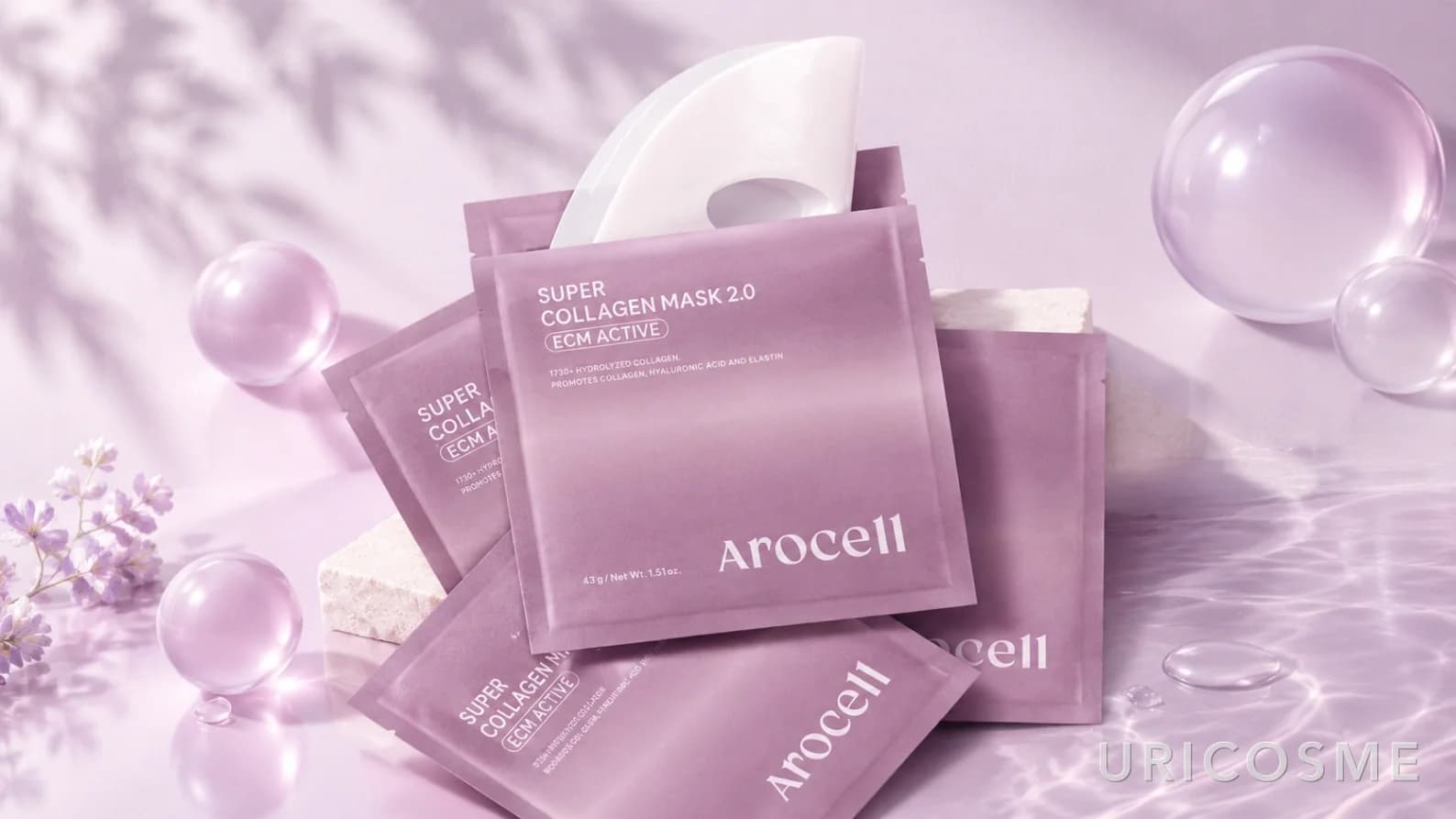


Related journal
Routine Guides • 2026-11-10
Skincare Before Makeup: Order, Amounts and a Smoother Base
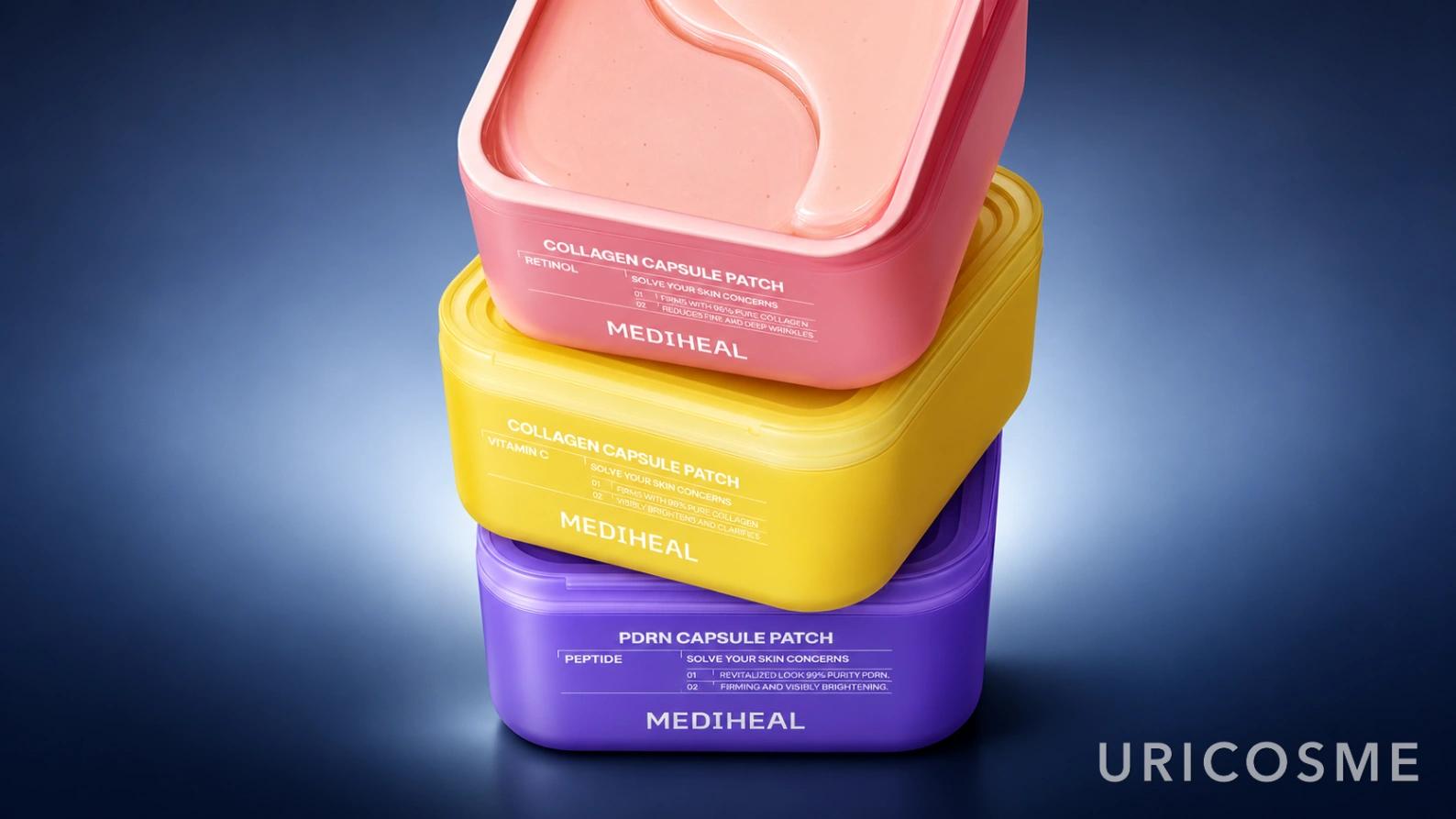
Product Guide • 2026-11-06
MEDIHEAL Collagen Capsule Patch: Retinol, Vitamin C or PDRN?

Product Guide • 2026-10-27
Anti-Aging Skincare at Olive Young: How to Choose Sunscreen, Retinoids and More
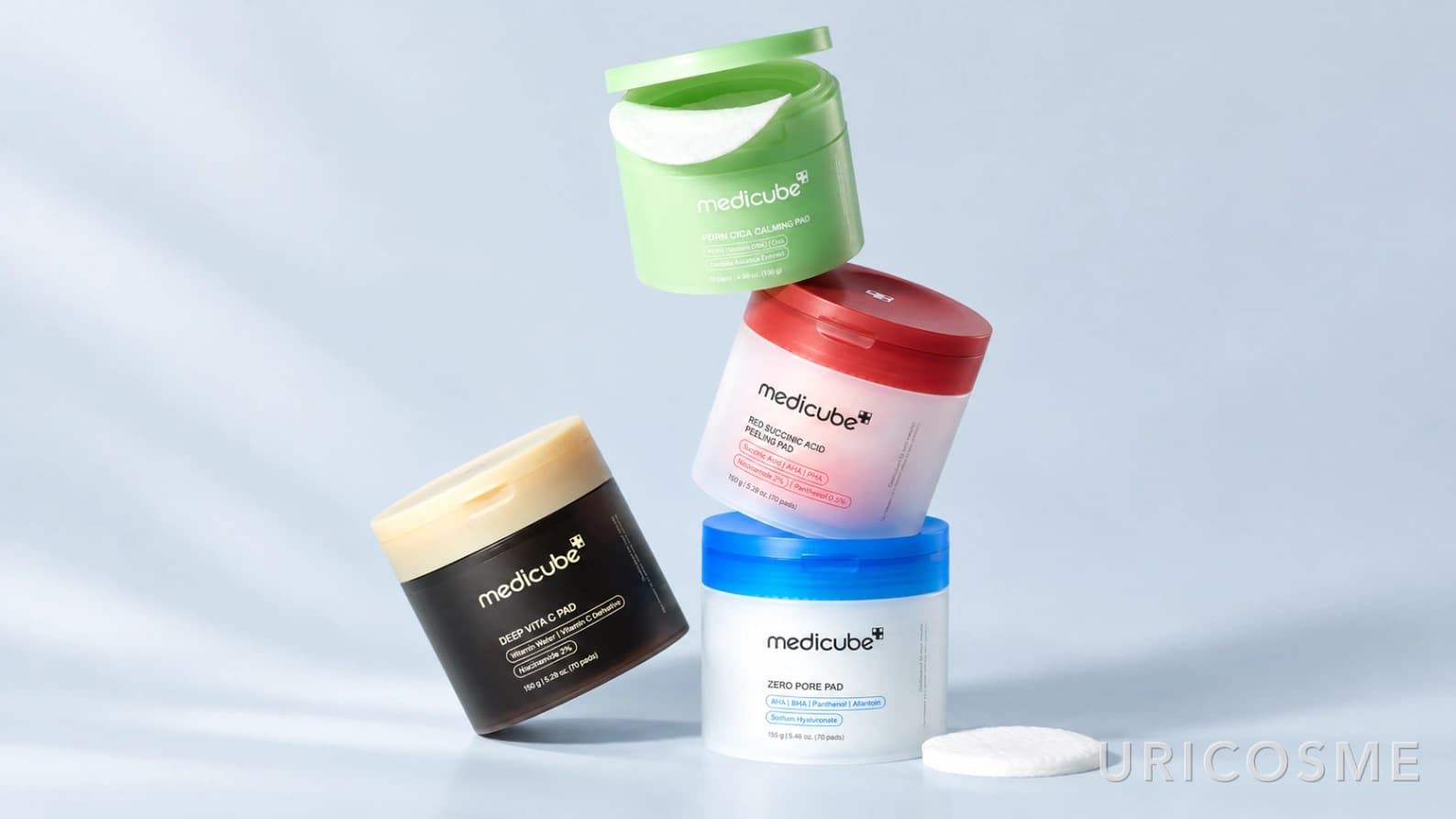
Product Guide • 2026-10-27